Drunk Driving Accident Lawyers in San Antonio
A drunk driving accident can lead to emergency treatment, financial issues, and questions about whether the criminal case will help your injury claim. The aftermath demands more than blame, especially when medical bills, lost income, and recovery needs require proof in the claim. Drunk driving accident lawyers in San Antonio help injured people and grieving families turn crash evidence, medical documentation, and insurance information into a claim built for accountability.
Your drunk driving car accident claim still needs proof that the impaired driver caused the crash, that the crash caused your injuries, and that your losses deserve compensation under Texas law. This process can involve police reports, chemical testing evidence, witness statements, medical records, wage documentation, and insurance coverage review. Our drunk driving accident lawyers in San Antonio can help protect the civil claim while the criminal case moves separately. Call Lopez Law Firm at (210) 504-5222 for a free consultation today from our drunk driving accident lawyers in San Antonio.
How Fault Is Proven After a Drunk Driving Accident in San Antonio
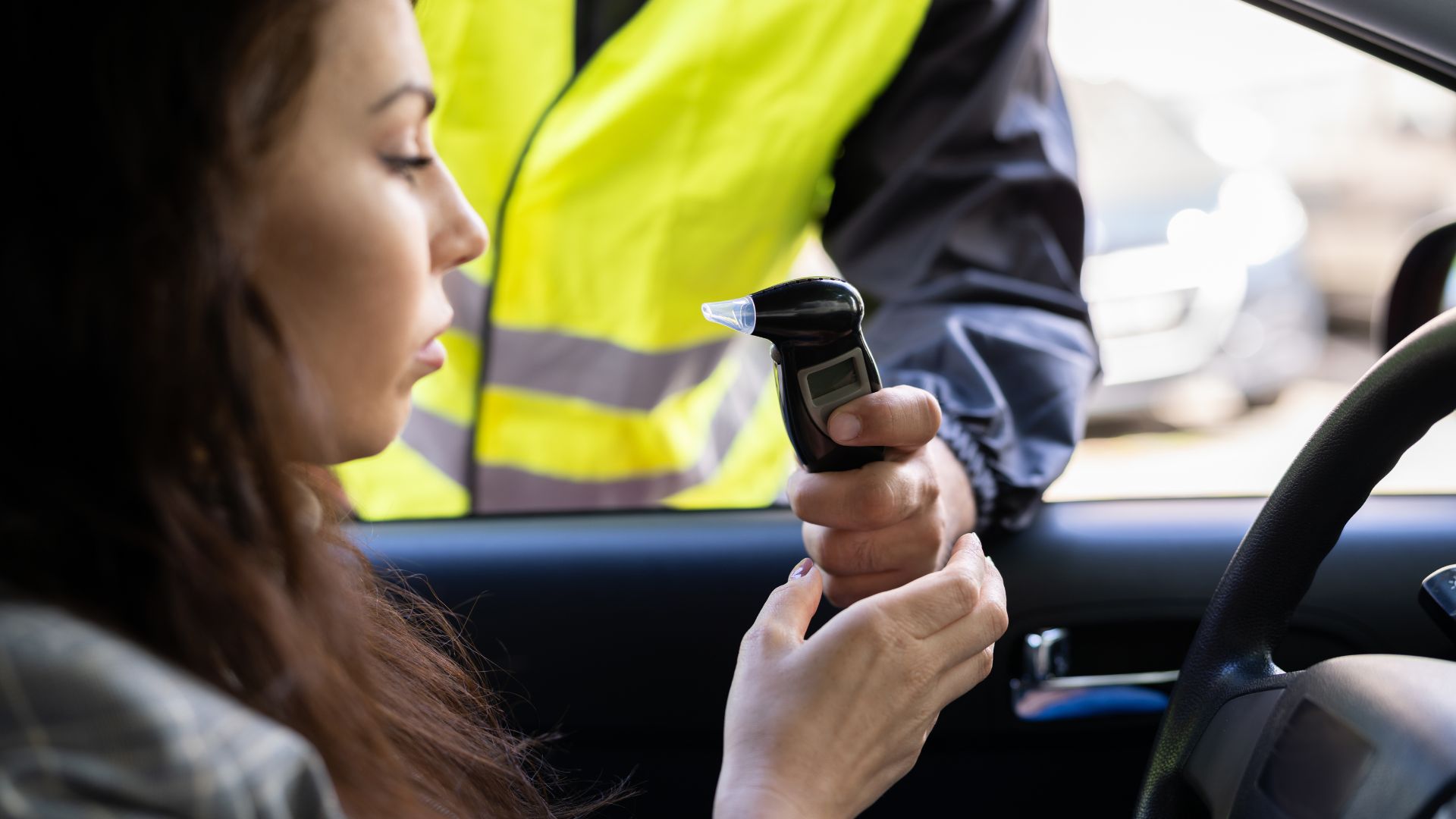
Fault after a drunk driving crash depends on more than the other driver’s arrest. A civil injury claim still needs proof showing that intoxication, unsafe driving, and the collision all connect to the harm suffered. Police findings, chemical test results, witness observations, medical records, and vehicle damage may each help build that connection. Texas law defines DWI as operating a motor vehicle in a public place while intoxicated, and intoxication may include loss of normal mental or physical faculties or an alcohol concentration of 0.08 or more. Drunk driving accident lawyers in San Antonio at Lopez Law Firm use those legal details to build claims around proof.
A criminal case may punish the drunk driver, but the injury claim focuses on financial recovery for the person harmed. That means the civil claim must show negligence, causation, damages, and insurance responsibility with enough detail to withstand pushback. The driver’s intoxication may strongly support fault, but crash facts still matter because insurers may dispute speed, injury severity, or how the impact occurred. Fatal crashes may also create wrongful death claims when a person’s wrongful act, neglect, carelessness, or default causes another person’s death under Texas law. Strong fault proof gives injured people and families a clearer path toward accountability.
Texas DWI and DUI Evidence Can Support Fault Claims
Texas DWI law gives a fault claim important context when alcohol played a role in the crash. A police report may identify signs of intoxication, field observations, arrest details, open container concerns, or test results. Chemical testing may also matter because a reported alcohol concentration of 0.15 or higher carries additional criminal consequences under Texas law. Civil claims still require evidence showing that impaired driving caused the collision and the injuries that followed. Legal responsibility grows stronger when evidence of intoxication matches the physical crash facts.
Police Reports May Document Alcohol Related Evidence
Police reports may include officer observations, driver statements, arrest information, witness details, and scene findings. Those records can help show how alcohol affected the driver’s conduct before the impact. A detailed report gives the civil claim a stronger starting point.
Chemical Test Results Can Strengthen Liability Arguments
Blood, breath, or urine test results may provide objective evidence of intoxication. Those results become more useful when paired with witness accounts and crash reconstruction details. Strong testing evidence makes denial harder for the impaired driver.
Negligence Claims Focus On Unsafe Driver Decisions
Negligence in a drunk driving case focuses on the choices that led to the crash happening. Alcohol may explain poor judgment, delayed reaction, unsafe speed, lane drift, missed signals, or a failure to yield. The claim should connect those choices to the collision rather than relying only on the DWI charge. Medical records and vehicle damage then help show how that conduct created specific injuries and losses. Drunk driving accident lawyers in San Antonio build the case by tying impaired driving to real consequences.
Impaired Driving May Show A Breach Of Care
Every driver has a duty to operate safely and avoid preventable harm. Driving after drinking may show a serious failure to meet that basic responsibility. The breach becomes stronger when crash evidence confirms unsafe movement.
Crash Facts Still Matter Alongside Intoxication Evidence
Intoxication evidence does not replace the need for collision proof. Photos, witness statements, and vehicle damage help explain how the impact occurred. The strongest claims make alcohol evidence and crash facts work together.
Fatal Drunk Driving Crashes May Create Wrongful Death Claims
Some drunk driving crashes cause injuries that families never get the chance to repair. Texas wrongful death law may allow qualifying family members to pursue damages when a wrongful act, neglect, carelessness, or default causes a person’s death. These cases require proof of fault, proof of the fatal connection, and documentation of the losses suffered by surviving family members. Evidence from the criminal investigation may help, but the civil claim still needs its own organized case file. A wrongful death claim must honor the loss while proving legal responsibility with precision.
Family Claims Require Proof Of Fault And Loss
Family claims must show how the impaired driver caused the fatal crash. The claim also needs proof of financial, emotional, and household losses. Careful documentation helps families present the full human impact.
Evidence Must Connect Impaired Driving To Fatal Harm
Fatal crash evidence may include police findings, medical records, autopsy information, and witness statements. Those records help connect intoxication to the death itself. The claim should leave no room for avoidable uncertainty.
Texas Fault Rules May Affect The Final Recovery
Texas proportionate responsibility rules may affect recovery when an insurer argues that more than one person shares blame. Under Texas law, a claimant may not recover damages if their percentage of responsibility is greater than 50 percent. Insurers may still try to shift blame after a drunk driving crash, especially when they want to reduce payment. Evidence must answer those claims with the same seriousness as any other liability dispute. A drunk driver’s conduct may be obvious, but percentage arguments still require firm proof.
Shared Fault Arguments Need Strong Pushback
Shared fault arguments may focus on speed, reaction time, visibility, or driver positioning. Those claims should be tested against the physical evidence and witness accounts. Unsupported blame should not reduce a valid injury recovery.
Strong Evidence Helps Protect Compensation Value
Strong evidence can limit the insurer’s ability to inflate fault disputes. Medical records, crash details, and witness statements keep the focus on the impaired driver’s conduct. The value of the claim improves when blame shifting fails.
What Evidence Matters Most After an Alcohol Related Crash
Evidence after an alcohol related crash does more than show that another driver was impaired. It explains how alcohol affected driving decisions, how the collision happened, and how the crash caused injuries that changed your life. A police report may start the story, but it rarely captures every medical, financial, and personal consequence. Photos, witness statements, chemical testing records, medical notes, and insurance communications all help build a stronger civil claim. Drunk driving accident lawyers in San Antonio use those details to keep the focus on accountability and recovery.
The strongest evidence usually comes from different sources that support the same timeline. One record may show intoxication, while another explains impact force, injury timing, or the losses that followed. Insurance companies may still question damages, causation, or fault even when alcohol clearly played a role. Every useful detail should be preserved before records become harder to find. A well-documented claim gives the impaired driver less room to rewrite the crash.
Police Reports and DWI Records
Police reports may include officer observations, driver statements, witness names, citations, arrest details, and notes about suspected impairment. DWI records may also reference field sobriety testing, chemical testing, or visible signs that the driver lacked normal control. These documents help establish why alcohol became part of the investigation. A civil claim still needs injury proof, but police records can strengthen the fault foundation. Official records give the claim a starting point that carries weight.
Officer Observations Can Support Impairment Claims
Officer observations may describe speech, balance, odor, behavior, coordination, and other signs recorded soon after the crash. Those details help explain why the driver’s condition raised legal concerns beyond ordinary careless driving. Strong officer notes make later denials harder to accept when the driver tries to minimize impairment.
Arrest Details Can Strengthen the Timeline
Arrest details may show when officers identified impairment concerns and what facts supported that decision. Timing matters when insurers question whether alcohol affected the driver before the impact. A documented timeline helps connect intoxication to unsafe driving rather than treating it as a separate issue.
Chemical Testing and Alcohol Evidence
Chemical testing may provide objective information about alcohol concentration after a crash. Breath, blood, or urine results can support arguments that the driver was impaired under Texas law. Testing evidence becomes more powerful when paired with witness observations, officer notes, and crash scene details. The civil claim should explain how impairment contributed to the collision instead of treating the test result as the entire case. Alcohol evidence matters most when it connects directly to dangerous driving.
Test Results Need Context Around the Crash
A test result may show intoxication, but context explains why it mattered during the collision. Driver behavior, timing, witness observations, and crash mechanics help make the result useful. Evidence works best when every record supports one account of dangerous conduct.
Refusal Evidence May Still Matter
A refusal to test may raise important questions about impairment and the driver’s awareness after the crash. Police records may document the refusal along with speech, balance, odor, and behavior observations. Those facts can still support liability arguments when no completed test result exists.
Witness Statements and Scene Details
Witnesses may notice unsafe driving, erratic movement, speeding, delayed braking, or statements made after the crash. Their observations can fill gaps that reports, photographs, or insurance summaries leave open. Scene details may also show vehicle positions, impact damage, debris, lighting, visibility, and nearby hazards. These facts help explain how the crash happened in real terms. Independent evidence keeps the claim from depending only on driver accounts.
Witnesses May Catch What Drivers Missed
Witnesses may see the impaired driver’s movement before the collision happens. Their accounts can confirm swerving, delayed reactions, unsafe turns, or reckless movement that drivers later dispute. Outside observations help challenge self-serving statements from people trying to avoid responsibility.
Scene Photos Preserve Temporary Crash Details
Scene photos may capture damage, debris, skid marks, visible injuries, vehicle placement, and other details that disappear quickly. Many of those facts become harder to explain once cleanup begins or vehicles move. Photographs protect the physical record before memory and paperwork become the only sources.
Medical Records and Injury Documentation
Medical records connect the crash to the injuries that require compensation. Emergency notes, imaging results, specialist referrals, therapy records, prescriptions, and follow-up visits all help explain the recovery process. Alcohol evidence may prove dangerous conduct, but medical documentation proves that the conduct harmed the injured person. Treatment gaps may give insurers room to question the injury timeline. Consistent medical proof turns pain into documentation that the claim can use.
Early Treatment Helps Prove Causation
Early treatment shows when symptoms began and what doctors found after the crash. Medical providers can document injuries before insurers suggest another cause or argue that pain developed later. Prompt records protect the connection between impact, diagnosis, and the recovery process.
Ongoing Care Shows the Full Damage
Ongoing care may reveal complications beyond the first diagnosis, especially when pain changes over time. Therapy, imaging, prescriptions, and specialist notes show how recovery developed after the initial appointment. Continued documentation helps value injuries by showing what the crash kept affecting.

Why Victims Choose Lopez Law Firm After Drunk Driving Accidents in San Antonio
A drunk driving crash creates a different kind of frustration because the harm began with a preventable choice. Lopez Law Firm helps victims move from shock and uncertainty into a claim built around proof, damages, and accountability. The firm reviews police findings, medical records, insurance coverage, witness details, and financial losses connected to the collision. That approach matters when the criminal case moves separately from the injury claim. Victims deserve representation that treats the crash as personal, serious, and legally significant.
San Antonio victims may need help understanding what compensation can include, how Texas law applies, and why evidence should be protected early. Lopez Law Firm focuses on the practical details that affect recovery, including treatment costs, missed wages, pain, family disruption, and long-term care needs. The firm also understands how local claims develop when police records, medical providers, insurers, and court deadlines all overlap. Drunk driving accident lawyers in San Antonio should give victims more than general answers after a preventable crash. They should build the claim around what the impaired driver’s choice actually caused.
Pursuing Compensation That Reflects the Full Impact
Compensation after a drunk driving accident should reflect the full disruption created by the crash. Medical bills may begin the calculation, but serious injuries often affect work, mobility, sleep, family responsibilities, and emotional stability. Lopez Law Firm reviews both economic losses and personal harm, so the claim does not stop at the easiest numbers. Future treatment, reduced earning ability, and lasting pain may require deeper documentation before settlement talks begin. A stronger compensation claim shows the insurer what recovery actually demands.
Medical and Financial Losses Need Complete Documentation
Medical records, wage documents, repair estimates, and receipts help prove the measurable cost of the crash. These records also show how quickly one impaired driver’s decision created financial pressure. A detailed file prevents insurers from treating serious losses like isolated expenses.
Future Costs Should Be Reviewed Before Settlement
Future care may include therapy, surgery, medication, counseling, or follow-up appointments. Those needs should be valued before an insurer asks for a final release. Settlement should not close while recovery remains medically unfinished.
Providing Localized Representation for San Antonio Victims
Localized representation matters when a crash involves San Antonio police records, area medical providers, local insurers, and Texas civil claim rules. Lopez Law Firm understands how drunk driving accident claims require both legal focus and practical familiarity with the community where the crash occurred. Victims may need help gathering records, understanding deadlines, and responding to insurance questions without making the claim harder. A local approach also helps connect evidence, treatment, and damages in a way that reflects the victim’s actual life. Strong representation feels more effective when it understands where the claim is happening.
Local Case Knowledge Helps Organize the Claim
Local case knowledge helps identify which records may matter and where they may come from. Police documentation, medical treatment, and insurance communication all need timely attention. Organized local handling keeps important claim details from becoming scattered.
San Antonio Victims Deserve Accessible Communication
Victims should not feel lost while bills, appointments, and insurance messages keep arriving. Regular communication helps people understand what is happening and what decisions need attention. Accessible guidance makes a stressful claim easier to manage.
Building Claims Around Evidence and Accountability
A drunk driving accident claim should make the impaired driver’s conduct impossible to ignore. Lopez Law Firm looks for evidence that connects alcohol use, unsafe driving, the crash, and the victim’s injuries. Police reports, chemical test information, witness accounts, medical records, and photographs may all strengthen the claim when organized properly. The firm prepares for insurer pushback by building answers before low offers arrive. Accountability becomes harder to avoid when every part of the claim points to the same conclusion.
Crash Evidence Helps Prove Impaired Driving Consequences
Crash evidence may show driver behavior, impact force, injury timing, and property damage. These facts help connect impairment to the actual harm suffered. Evidence gives the claim power beyond anger or accusation.
Strong Preparation Limits Insurance Excuses
Insurers may question damages, timing, fault, or medical treatment despite clear impairment concerns. Strong preparation answers those arguments with records instead of assumptions. A complete case file makes delay and denial harder to justify.
Call Lopez Law Firm Today for a Free Consultation From Our Drunk Driving Accident Lawyers
A drunk driving crash should not be treated like an ordinary claim. Someone made a dangerous choice, and now you may be dealing with medical care, missed paychecks, damaged property, or the fear that your recovery will be reduced to paperwork. Lopez Law Firm helps victims and families turn that disruption into a claim supported by records, rather than assumptions. Our firm reviews police findings, alcohol related evidence, witness accounts, medical treatment, insurance coverage, and the financial pressure created by the crash. When the criminal case moves separately, the civil claim still needs focused attention so your losses do not get pushed aside.
You should not have to chase answers while trying to heal or support your family. Lopez Law Firm can explain what compensation may include, what evidence should be preserved, and how Texas law may affect the claim. Our drunk driving accident lawyers in San Antonio help protect your recovery from delay, blame shifting, and low settlement tactics from insurers. Call Lopez Law Firm at (210) 504-5222 or visit our contact page today for a free consultation.
Practice Areas
Trust Us With Your Personal Injury Claim
If you or a loved one have been injured, Lopez Law Firm will fight for you every step of the way. We will give our all to secure the compensation you rightfully deserve.



Contact usfor a free consultation.
Phone: (210) 504-5222