Truck Accident Lawyers in Universal City
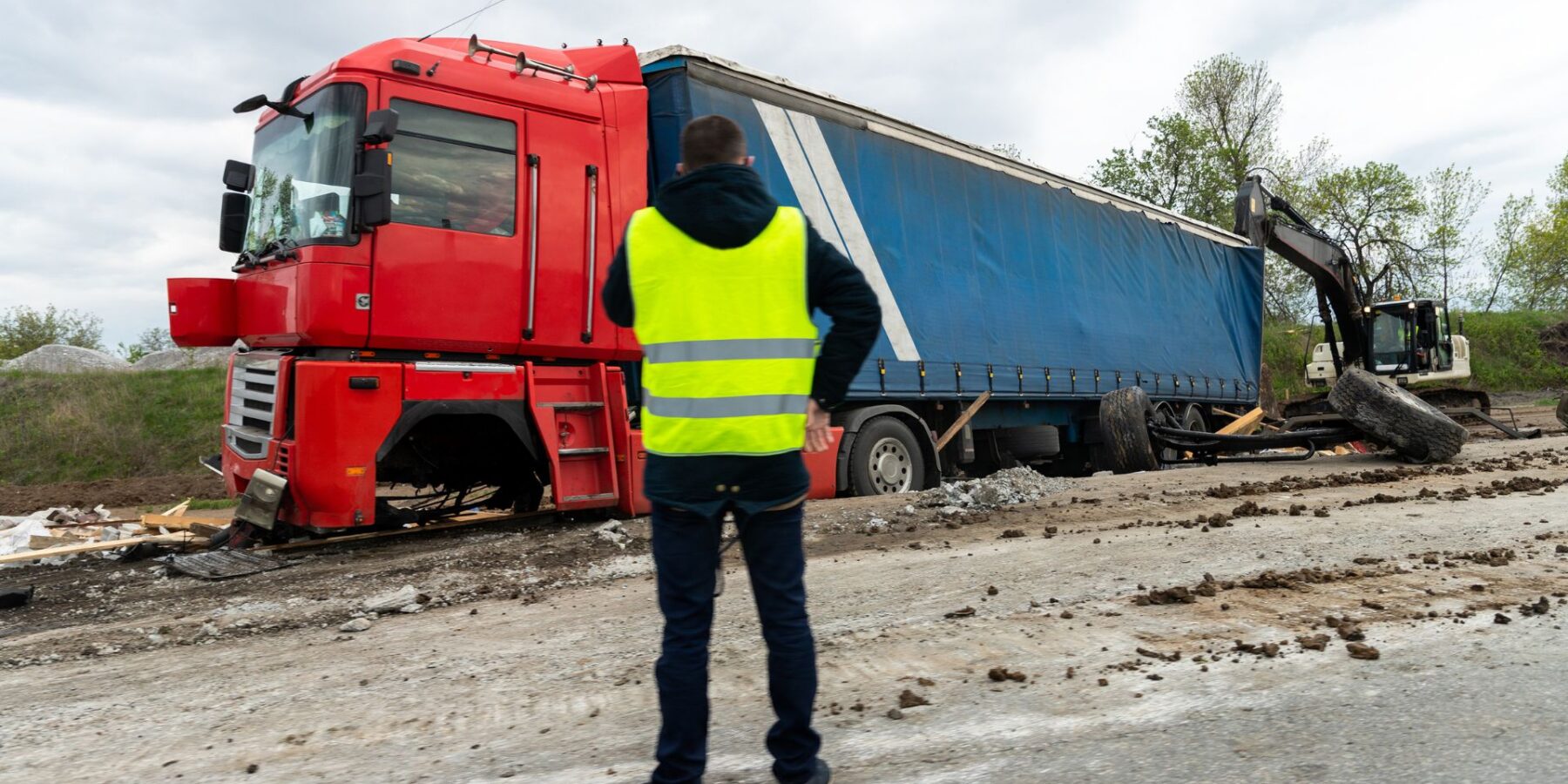
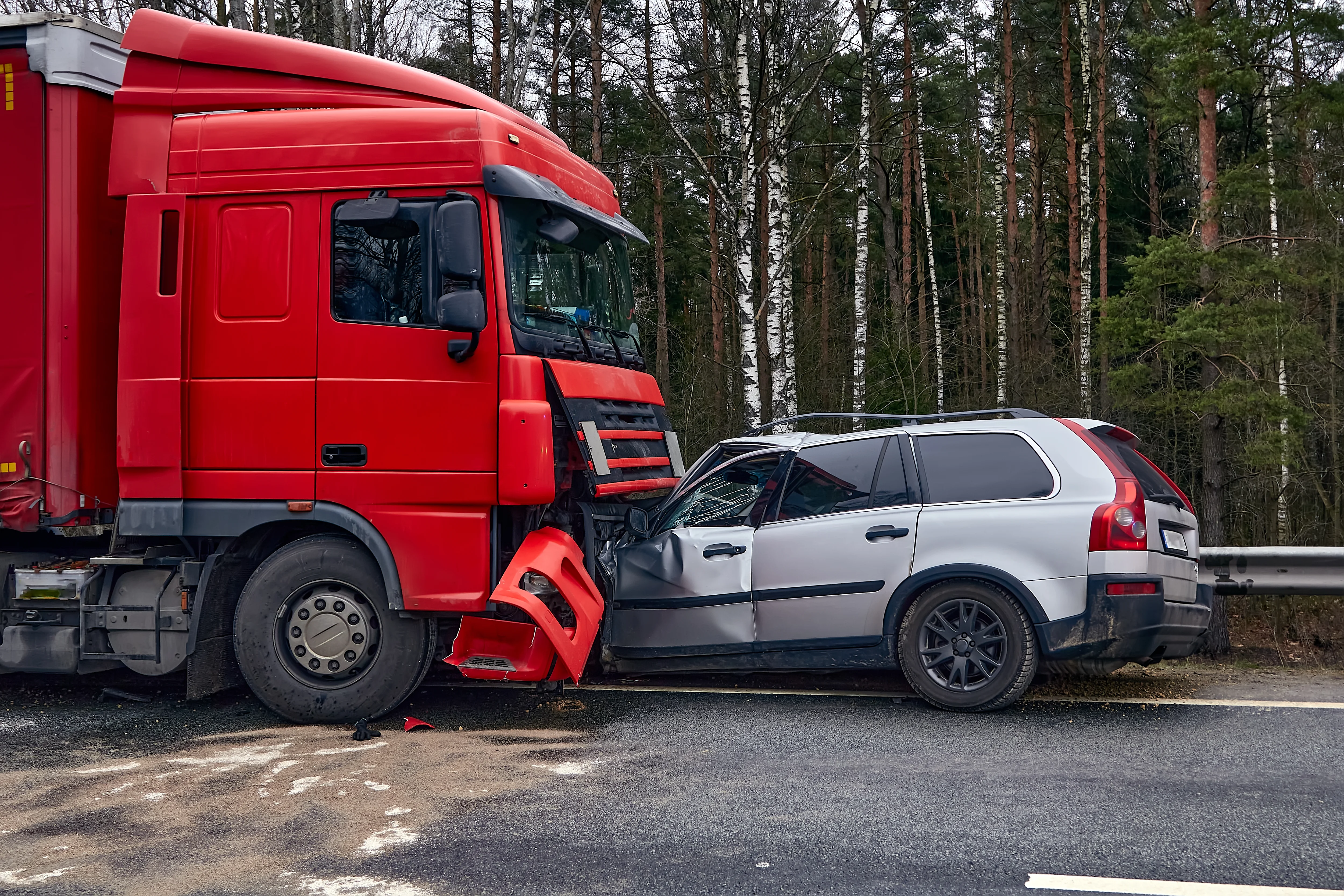
A truck crash can create problems that feel more complicated than a typical car accident. The vehicle is heavier, the injuries may be more severe, and the claim may involve many different parties that could be held liable. When medical care, missed work, vehicle damage, and insurance calls start piling up, you need direct legal answers about what comes next. Lopez Law Firm helps injured people understand the liability issues and compensation that may influence a truck accident claim.
Driver records, maintenance history, cargo issues, company policies, and insurance coverage may all affect who is responsible. A strong claim should identify every responsible party and document every loss connected to the crash. If you recently went through a truck crash and want legal help, call Lopez Law Firm at (210) 504-5222 for a free consultation.
What Types of Cases Do Truck Accident Lawyers in Universal City Handle
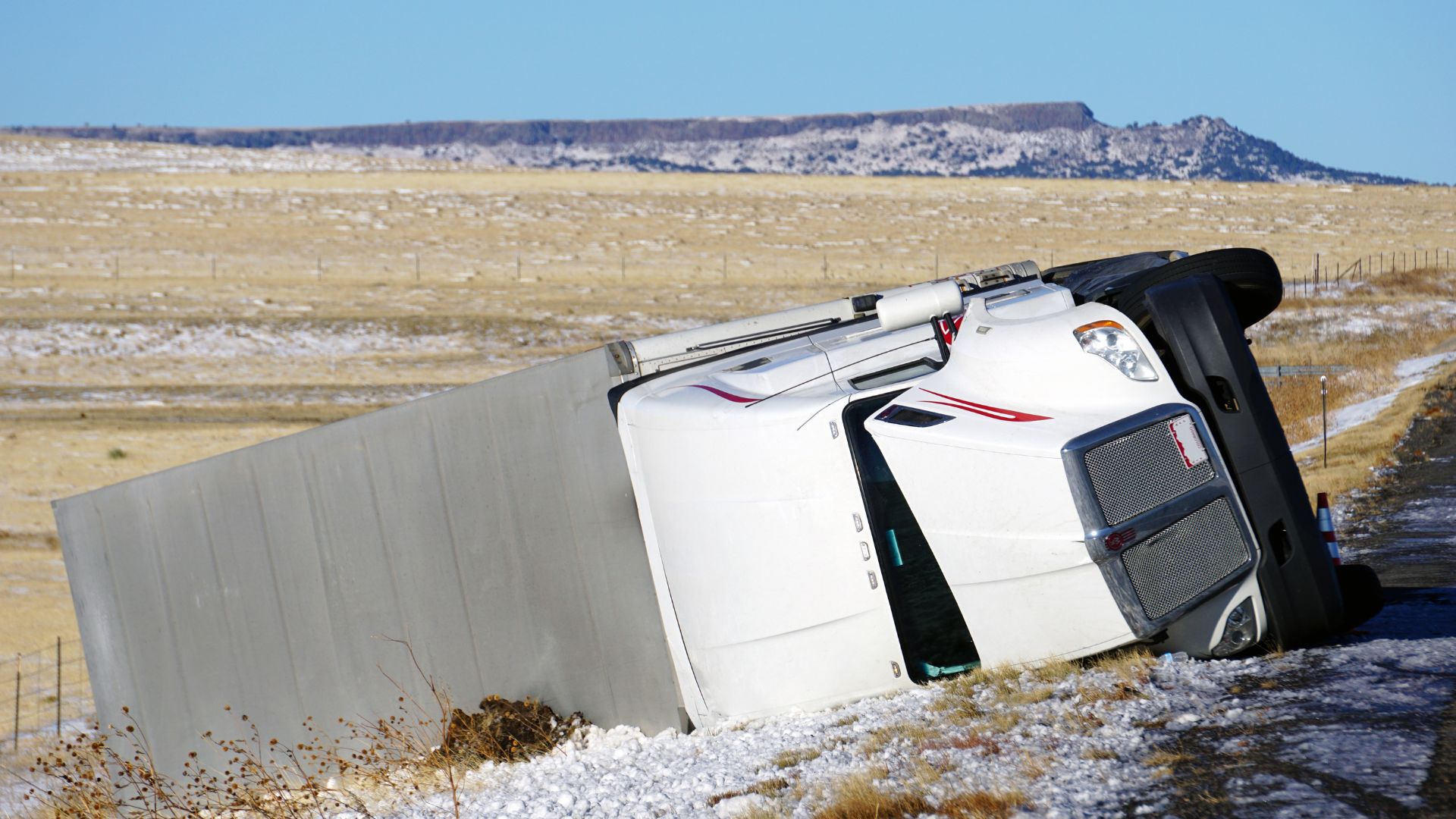
Truck crashes come in many forms, and each one may raise different questions about evidence, insurance, company responsibility, and injury severity. A delivery vehicle crash may involve route pressure, while an 18-Wheeler collision may require records from a motor carrier, maintenance provider, or loading company. Some cases turn on driver choices, but others expose problems with hiring, training, inspections, cargo handling, or fleet supervision. Lopez Law Firm reviews the type of truck involved because that detail helps identify which records matter and which parties may share fault. People looking for truck accident lawyers in Universal City often need help sorting through facts that reach beyond the crash scene.
A truck accident claim should not rely on one simple explanation when commercial vehicles usually operate through layered business systems. Driver logs, inspection paperwork, dispatch records, repair histories, insurance policies, and witness accounts may all show why the crash happened. A smaller passenger vehicle may suffer severe damage even when the truck shows limited visible impact, which makes medical and vehicle documentation especially important. Commercial insurers may move quickly to protect their own financial exposure, so the injured person needs an organized claim from the start. The type of truck case helps shape the investigation before important records become harder to obtain.
Commercial Delivery Truck Accidents in Universal City
Commercial delivery trucks move through neighborhoods, business areas, parking lots, and residential streets while drivers manage deadlines, packages, navigation, and frequent stops. A crash may happen when a driver backs up without checking carefully, turns too sharply, parks unsafely, rushes through traffic, or misses a vehicle nearby. Delivery companies may share responsibility when unrealistic schedules, weak training, poor supervision, or skipped maintenance contributed to the collision. These cases require attention to business records because the company’s route expectations may explain conduct that seemed like a simple driver error. Truck accident lawyers in Universal City examine both the person behind the wheel and the company’s practices behind the trip.
Amazon and FedEx Delivery Claims May Need Company Records
Amazon and FedEx delivery crashes may involve route pressure, contractor relationships, package volume, and delivery timing expectations. Training records, app data, dispatch notes, and inspection documents may show how the delivery system shaped the trip. Those records may explain why the collision happened.
Company Policies May Reveal Safety Problems
Company policies may show training rules, inspection routines, backing procedures, and driver supervision standards. Missing records may raise questions about whether the company enforced its own safety rules. Safety practices matter when businesses deny responsibility.
18-Wheeler and Tractor-Trailer Crashes
18-Wheeler and tractor-trailer crashes often involve greater force because these vehicles need more space to turn, stop, and maneuver safely. A collision may involve driver fatigue, unsafe lane movement, brake issues, tire failure, excessive speed, or improperly balanced cargo. Investigations may require electronic data, inspection reports, driver qualification files, maintenance records, and cargo documents that ordinary crash claims rarely involve. Several businesses may have touched the truck before the crash, including the motor carrier, repair company, broker, or loading crew. Truck accident lawyers in Universal City look at those relationships to identify every source of accountability.
Truck Data May Explain The Final Moments
Electronic truck data may show speed, braking, throttle activity, and steering movement before impact. That information may support or challenge the truck driver’s version when accounts conflict. Preserving the data early prevents critical information from being overwritten.
Cargo Records May Point To Other Parties
Cargo documents may reveal weight problems, loading errors, unsecured materials, or unsafe travel instructions. Those details may shift responsibility beyond the driver when another company prepares the truck. Improper loading creates risks that stay hidden without records.
Construction Truck and Trash Truck Accidents
Construction trucks, trash trucks, and work vehicles may carry heavy tools, loose materials, equipment, waste containers, or job supplies that affect stopping distance, balance, and visibility. These crashes may involve dump trucks, utility vehicles, flatbeds, sanitation vehicles, service trucks, or company vehicles used for daily job tasks. A collision may stem from unsafe backing, falling materials, poor maintenance, obstructed views, wide turns, frequent stopping, or a driver distracted by work-related duties. Employers may bear responsibility when job assignments, inspection failures, or unsafe vehicle practices helped create the crash. A careful review of work records may show that the collision involved more than one driver’s mistake.
Heavy Loads May Increase Crash Severity
Heavy loads may change how a truck turns, brakes, accelerates, and responds. Poorly secured equipment, construction materials, or waste containers may create additional hazards during travel. Weight distribution may explain why the impact became more severe.
Work Assignments May Affect Fault
Work assignments may reveal route pressure, rushed scheduling, or unsafe task planning. Supervisors may ignore vehicle concerns or known equipment problems before the crash. Those details may support claims against the employer.
Company Vehicle and Fleet Accident Claims
Fleet accident claims involve businesses that operate multiple trucks, vans, or commercial vehicles for deliveries, service calls, transport, sanitation routes, or field work. A company with repeated vehicle use should maintain driver standards, inspection schedules, repair protocols, and safety rules that reduce preventable crashes. Liability may reach the company when negligent hiring, poor training, ignored complaints, skipped repairs, or unsafe scheduling contributed to the wreck. Fleet records may also show whether the business knew about a driver’s risky habits or a vehicle’s recurring mechanical problems. These cases often require fast action because companies control many records needed to prove fault.
Fleet Records May Show Repeated Safety Issues
Fleet records may identify prior damage, repair delays, inspection gaps, or driver complaints. Repeated problems may reveal a broader safety failure beyond one isolated mistake. Patterns matter when businesses try to blame only the driver.
Insurance Coverage May Be More Complicated
Commercial coverage may involve multiple policies, exclusions, and company reporting requirements. Insurers may dispute whether the driver acted within the job. Careful review helps locate available recovery sources.
What Makes Truck Accident Liability More Complex in Universal City
Truck accident liability usually reaches beyond one driver’s mistake because commercial vehicles operate through business decisions, safety rules, maintenance systems, and insurance contracts. A crash may involve a driver, employer, vehicle owner, cargo company, repair provider, broker, or another business connected to the truck’s trip. Each party may point the blame elsewhere, especially when serious injuries create greater financial exposure. Evidence must show not only what happened during impact, but also which decisions made the crash more likely. Truck accident lawyers in Universal City look at the full chain of responsibility instead of stopping with the driver.
Commercial insurers often investigate quickly because truck crashes may involve large injury claims, expensive vehicle damage, and multiple coverage disputes. Their early investigation may focus on protecting the company before the injured person understands what records exist. Driver logs, inspection documents, maintenance files, dispatch messages, electronic data, and cargo paperwork may all shape liability. A strong claim connects those records to the crash, the injuries, and the losses that followed. The complexity makes early case development especially important.
Company Responsibility May Go Beyond The Driver
A trucking company may share fault when poor hiring, weak training, rushed scheduling, or ignored safety concerns contributed to the wreck. Liability may also involve a company that failed to supervise a driver with prior complaints or repeated safety issues. Driver error matters, but the business practices behind that driver may reveal why the crash happened. Company records may show patterns that never appear in the police report or insurance summary. Truck accident lawyers in Universal City review those business decisions to identify responsibility beyond the person behind the wheel.
Hiring And Training Records May Reveal Risk
Hiring records may show prior violations, limited experience, or warning signs the company overlooked. Training records may reveal whether the driver understood vehicle handling, safety checks, and company procedures. These documents help explain how preventable danger entered the roadway.
Supervision Issues May Strengthen Liability Arguments
Supervision records may show missed warnings, ignored complaints, or repeated unsafe conduct. A company that keeps a risky driver on the road may share responsibility. Those details help shift attention from one mistake to broader safety failures.
Maintenance Failures May Create Hidden Liability
A truck crash may involve brake problems, tire failures, lighting defects, steering issues, or other mechanical problems that developed before impact. Maintenance records help show whether the company inspected the vehicle properly or ignored repairs that should have happened sooner. A repair shop may also become part of the claim when careless service work left the truck unsafe. Mechanical issues require close review because visible crash damage may hide the condition of the vehicle before the collision. Liability becomes more complicated when the truck’s condition plays a role alongside driver behavior.
Inspection Reports May Show Missed Problems
Inspection reports may reveal worn tires, brake concerns, lighting issues, or repeated mechanical complaints. Missing reports may also raise questions about whether required checks happened. These records help separate sudden failure from preventable neglect.
Repair History May Identify Other Parties
Repair records may show who worked on the truck before the crash. Fault may extend to a maintenance provider that performed incomplete or careless repairs. Mechanical timelines help identify when the danger first appeared.
Cargo And Loading Decisions May Affect Fault
Cargo problems may change how a truck turns, stops, balances, or reacts during traffic changes. Overloaded trailers, unsecured materials, uneven weight, or shifting cargo may contribute to loss of control or a more violent impact. Loading companies, shippers, or warehouse teams may share responsibility when their work creates unsafe travel conditions. Cargo documents may reveal weight limits, loading instructions, delivery details, and handling decisions that affect liability. These issues often require investigation before companies repair the vehicle or move the freight.
Weight Problems May Change Vehicle Control
Excess weight may increase stopping distance and reduce safe maneuvering. Uneven loading may make a truck harder to control during turns or braking. Cargo placement deserves review when impact patterns suggest instability.
Loading Records May Expand The Claim
Loading records may identify who handled the freight before departure. Bills of lading and shipment documents may reveal unsafe weight or placement choices. These details may add responsible parties beyond the truck driver.
Insurance Coverage May Involve Several Disputes
Truck accident claims may involve commercial auto policies, employer coverage, contractor agreements, excess coverage, or separate policies tied to cargo and business operations. Insurers may disagree about which policy applies, especially when the driver worked for a contractor or used a vehicle owned by another company. Coverage disputes may delay payment while injured people face medical bills and income loss. A liability investigation should address insurance early so recovery sources do not remain hidden. Complex coverage issues make organized documentation especially important.
Contractor Relationships May Complicate Coverage
Contractor arrangements may blur who controls the driver, vehicle, route, or delivery schedule. Insurers may use those relationships to deny or narrow responsibility. Contract documents help identify who had authority over the trip.
Policy Limits May Shape Claim Strategy
Policy limits affect settlement discussions when injuries require expensive treatment or long-term care. Excess coverage may become important when primary coverage falls short. Early review helps locate every available recovery source.

How Lopez Law Firm Builds Strong Truck Accident Claims in Universal City
A truck accident claim needs structure before negotiations begin because commercial insurers rarely treat these cases like ordinary wrecks. Lopez Law Firm starts by identifying the truck involved, the company behind it, the available insurance coverage, and the evidence most likely to prove responsibility. Medical records, repair documents, driver information, business records, and witness accounts all help show how the crash changed the injured person’s health and stability. A claim also needs a damages review that accounts for treatment costs, lost income, future care, pain, and the daily limitations that follow serious injuries. People searching for truck accident lawyers in Universal City often need a legal team that understands how commercial vehicle cases become harder when companies control key records.
The firm builds each claim around evidence that connects fault, injury severity, and financial harm without leaving gaps for the insurer to exploit. A strong demand should not rely on broad statements about pain or vague allegations against a trucking company. Every part of the case should point to records, timelines, and facts that require a meaningful response. Lopez Law Firm also reviews whether multiple businesses may share responsibility, especially when maintenance, cargo, dispatch, or supervision issues contributed to the crash. That kind of preparation gives the injured person a claim built for pressure, not just paperwork.
Securing Evidence Before Records Disappear
Commercial trucking companies may have access to important records before an injured person even knows those records exist. Driver logs, repair files, dispatch notes, inspection reports, electronic data, and internal communications may reveal what happened before the crash. Lopez Law Firm works to identify these materials early so the claim does not depend only on photographs, driver statements, or the insurance company’s version of events. Fast evidence preservation matters because some records may change, disappear, or become harder to obtain as time passes. Truck accident lawyers in Universal City use early investigation to keep the most important facts from slipping out of reach.
Preservation Requests Help Secure Key Records
Preservation requests put companies on notice that crash-related records must remain available for review. These records may include driver logs, inspection files, electronic data, dispatch messages, and repair documents. Early requests help prevent the trucking company from controlling which facts survive.
Electronic Data May Clarify Crash Timing
Electronic data may show speed, braking, movement, and driver response before impact. This information may confirm or challenge what the truck driver says happened. A preserved timeline gives the claim facts that memory alone cannot provide.
Using Medical Records To Prove Injury Impact
Truck crashes may cause injuries that affect movement, sleep, work, concentration, and daily routines long after the initial emergency visit. Lopez Law Firm reviews medical records for diagnosis, treatment timing, provider recommendations, referrals, and future care concerns. Consistent documentation helps explain why the injuries came from the crash and how recovery changed over time. The firm also looks at gaps in care because insurers may use missed appointments to question pain, treatment needs, or injury severity. A complete medical record turns physical suffering into proof that the insurance company must address.
Treatment History Connects Injuries to the Crash
Treatment history shows when symptoms began, how providers evaluated them, and what care became necessary. Those details help answer insurer arguments about timing, prior pain, or unrelated causes. Medical records create the bridge between the collision and the recovery process.
Future Care Needs Deserve Early Review
Future care may include therapy, pain management, surgery, injections, or specialist visits. Doctors’ recommendations help show why recovery may continue after settlement talks begin. These projected needs should be part of the claim before the insurer pushes for closure.
Calculating The Full Cost Of The Crash
A truck accident claim should account for every documented way the crash changed the injured person’s life. Lopez Law Firm reviews medical expenses, lost wages, reduced earning ability, property damage, transportation costs, and out-of-pocket losses. Non-economic damages also matter when pain, stress, limited mobility, sleep disruption, or reduced independence affect daily life. The firm organizes these losses so the insurance company sees the financial and personal impact together. Truck accident lawyers in Universal City use this broader damages review to challenge offers that overlook the hardest parts of recovery.
Wage Records Help Prove Income Loss
Wage records may include pay stubs, employer letters, tax documents, and missed shift information. These documents show how injuries affected work capacity, income stability, and household finances. Strong wage proof makes the financial damage harder to dismiss.
Daily Limitations Support Personal Loss Claims
Daily limitations may involve household tasks, family responsibilities, mobility, sleep, and independence. Specific examples show how the crash changed ordinary routines after the injuries began. Those details give personal losses the weight they deserve.
Preparing For Commercial Insurance Pushback
Commercial insurers may dispute injury severity, blame the injured person, question treatment, or argue that another business should pay. Lopez Law Firm prepares for those arguments by building a record that addresses fault, causation, damages, and coverage issues before negotiations intensify. The firm reviews policy information, responsible parties, medical support, and liability proof before serious settlement discussions begin. A focused negotiation strategy helps prevent the claim from being reduced to the insurer’s preferred version of events. Strong preparation puts pressure where it belongs, on the companies responsible for answering the claim.
Insurer Arguments Need Evidence-Based Answers
Insurer arguments often focus on fault, treatment gaps, prior injuries, or disputed damages. Evidence-based responses keep the claim grounded in records rather than competing opinions. A well-documented file makes low offers harder to defend.
Settlement Timing Can Affect Final Recovery
Settlement timing matters when injuries are still developing or when treatment remains unfinished. Accepting payment too early may leave future care, wage loss, or pain unaccounted for. The claim should not close before the recovery picture becomes clear.
Get a Free Consultation From Lopez Law Firm’s Truck Accident Lawyers in Universal City
A serious truck crash leaves a lot of questions behind about the next steps and who is liable for the accident. Medical bills may arrive before your injuries have healed enough to know what treatment comes next. Lost income, transportation problems, and insurance pressure can make the claim feel urgent before the facts are ready to understand the full extent of the losses.
Lopez Law Firm can review the crash, including the driver, the company, the vehicle records, the medical impact, and the losses that followed. Our firm looks for the details that explain why the collision happened and what recovery should include. Call Lopez Law Firm at (210) 504-5222 or visit our contact page for a free consultation today from our truck accident lawyers in Universal City.
Practice Areas
Trust Us With Your Personal Injury Claim
If you or a loved one have been injured, Lopez Law Firm will fight for you every step of the way. We will give our all to secure the compensation you rightfully deserve.





Contact usfor a free consultation.
Phone: (210) 504-5222