Bicycle Accident Lawyers in Boerne
A bicycle ride can change in seconds when a driver fails to look, does an unsafe turn, or passes without enough room. Cyclists have no protection from the force of a vehicle, so even a small crash can cause serious pain, broken bones, head trauma, road rash, or lasting mobility problems. Medical bills, missed income, bicycle damage, and insurance questions may start piling up before the facts are fully documented. Lopez Law Firm’s bicycle accident lawyers in Boerne help injured cyclists build a claim around evidence, Texas traffic duties, and the real impact of the collision.
A strong bicycle accident claim should explain how the crash happened and how the injuries changed daily life. Photos, witness information, medical records, helmet damage, bike repairs, and insurance messages all matter when building a strong bicycle accident claim. Drivers and insurers may blame the cyclist for visibility, positioning, or reaction time, even when the driver caused the danger and was responsible for the crash. Bicycle accident lawyers in Boerne can help bring the claim back toward crash evidence, injuries, and available compensation. Call Lopez Law Firm at (210) 504-5222 for a free consultation from our bicycle accident lawyers in Boerne today.
Why Early Legal Help Is Important After a Bicycle Accident in Boerne
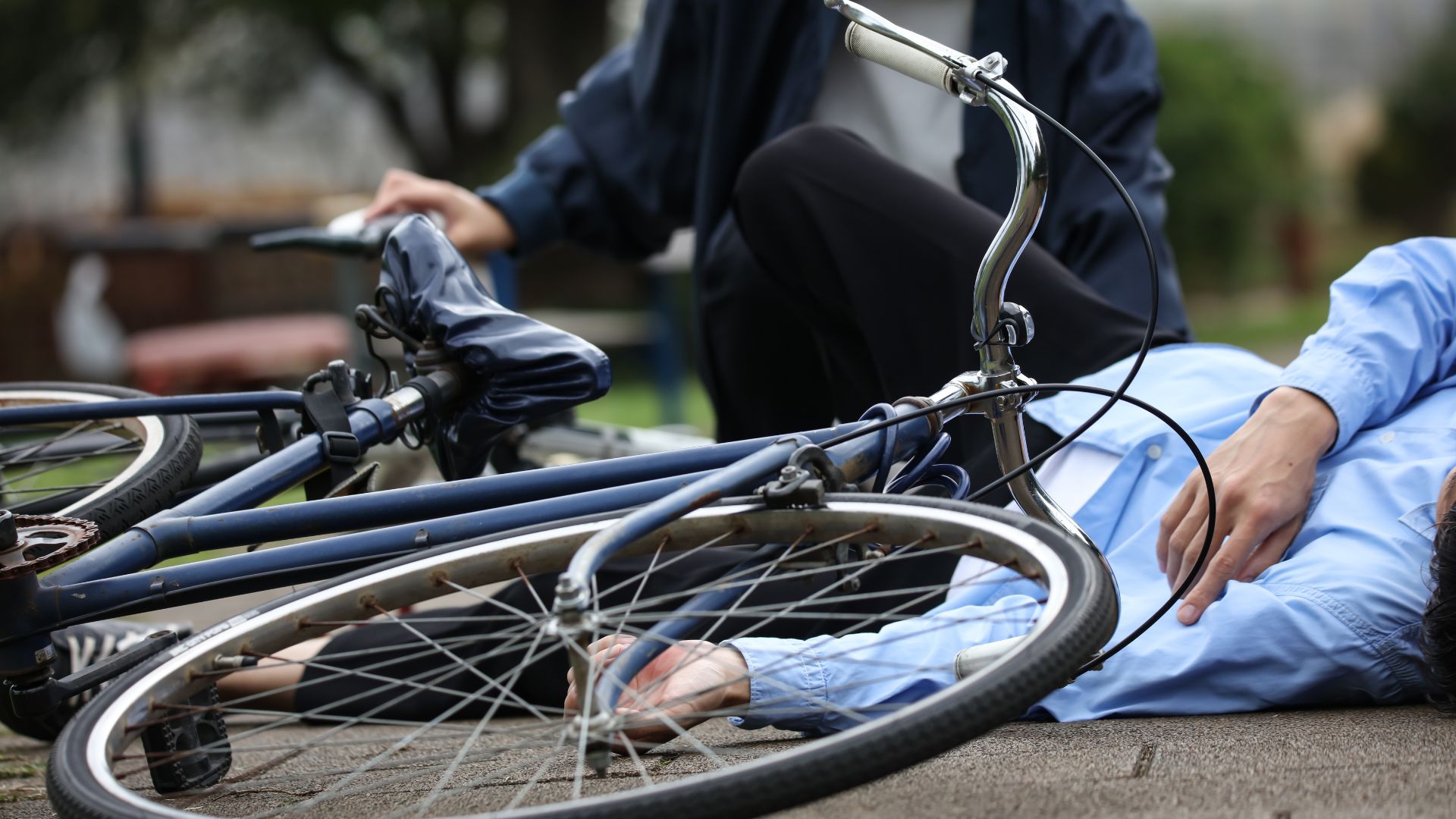
Early legal help matters after a bicycle accident because the first version of the crash often shapes the entire claim. A driver may say the cyclist came out of nowhere, rode unpredictably, or should have avoided the vehicle. Those statements can become difficult to correct when no one preserves photos, witness details, bike damage, helmet evidence, and medical records. Lopez Law Firm helps injured cyclists protect the facts before the insurance company builds a one-sided account. Bicycle accident lawyers in Boerne can help keep the claim focused on driver conduct, Texas traffic duties, and the injuries caused by the crash.
A bicycle crash also creates immediate practical problems that deserve attention before insurance pressure starts. Pain may worsen after the first day, bike repairs may begin, witnesses may become harder to reach, and damaged gear may get thrown away. Medical treatment, photographs, police information, and written notes can help explain how the collision happened and how the injuries developed. Insurers may still question visibility, positioning, speed, or reaction time to reduce payment. Early legal support protects the claim before those arguments gain momentum.
Driver Blame Can Start Immediately After Impact
Drivers may try to shift responsibility before they understand the full crash facts. A driver may claim the cyclist was hard to see, moved too quickly, or entered the roadway unexpectedly. Those claims can sound simple, but they may affect fault decisions if no evidence challenges them. A lawyer can compare the driver’s version against damage patterns, witness statements, photographs, and medical timing. Strong early response keeps unfair blame from becoming the claim’s foundation.
Visibility Claims Need Evidence, Not Assumptions
Visibility arguments should be tested against lighting, driver attention, roadway position, and witness observations. Drivers still have duties to watch for cyclists and avoid careless movement. Evidence keeps visibility disputes from becoming automatic cyclist blame.
Rider Positioning Should Be Reviewed Carefully
Rider positioning may matter, but it should not be guessed from driver frustration. Photos, bike damage, and witness details can show where the cyclist was before impact. Careful review prevents insurers from stretching uncertainty into fault.
Bicycle Evidence Can Disappear Quickly
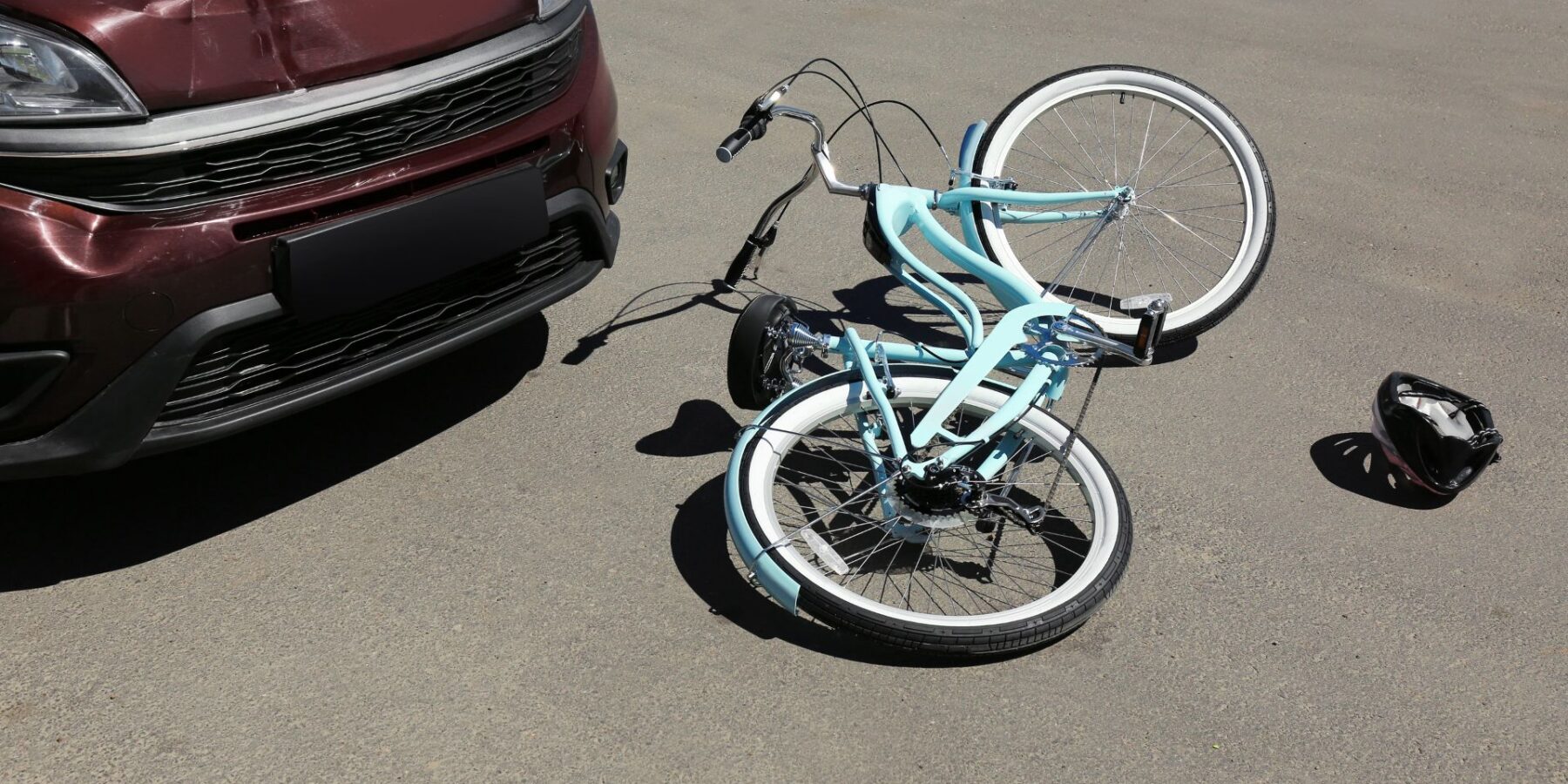
A damaged bicycle may show where the vehicle hit, how the rider fell, and what forces caused injury. Helmet marks, torn clothing, broken reflectors, bent wheels, and scraped pedals may all support the crash timeline. Repair work, disposal, or cleanup can erase those details before the claim develops. A lawyer can help identify what should be photographed, preserved, or documented before it disappears. Physical evidence gives the claim proof that words alone cannot provide.
Helmet And Gear Damage May Matter
Helmet damage may support concerns about head trauma after impact. Torn clothing, broken lights, and scraped gear may show how the cyclist hit the ground. Preserved gear helps explain injuries that insurers may minimize.
Bike Repairs Should Wait Until Photos Exist
Bike repairs can erase impact marks, bent components, and other useful evidence. Photographs should capture damage from several angles before repairs begin. A visual record helps preserve the crash mechanics.
Medical Records Protect The Injury Timeline
Bicycle crash injuries may not feel fully developed at the scene. Pain from head trauma, shoulder injuries, fractures, road rash, back injuries, or nerve damage may worsen after adrenaline fades. Medical care creates a record that connects symptoms to the collision before insurers argue another cause. Follow-up treatment also documents how pain affects work, movement, sleep, and daily responsibilities. A complete medical timeline gives the injury claim stronger support.
Early Treatment Connects Pain To The Crash
Early treatment shows when symptoms began and what doctors found after the collision. Medical notes can document injuries before insurers suggest unrelated causes. Prompt care protects the link between impact and recovery.
Follow-Up Appointments Show Ongoing Limits
Follow-up appointments may reveal pain, mobility problems, or complications missed during initial care. Therapy notes and specialist records show how recovery changed over time. Continued documentation helps prove the crash caused lasting disruption.
Witnesses May Become Harder To Reach
Witnesses can provide details that the cyclist could not see during the impact. Someone nearby may have noticed the driver’s turn, speed, distraction, lane position, or failure to yield. Those observations may become valuable when the driver and insurer dispute what happened. Contact information should be saved quickly because witnesses may leave the area and become difficult to identify later. Independent accounts can make fault arguments much harder to manipulate.
Witness Statements Can Confirm Driver Conduct
Witness statements may describe the driver’s movement before the collision. These accounts can support claims involving unsafe turns, close passing, distraction, or failure to yield. Independent details strengthen the cyclist’s version of events.
Contact Information Should Be Saved Early
Witness names, phone numbers, and short notes may matter later. Waiting too long can make helpful people impossible to find. Early contact preservation protects valuable outside support.
How Bicycle Accident Lawyers in Boerne Prove Fault After Bike Crashes
Fault after a bike crash should never depend on a driver’s quick explanation alone. A driver may say the cyclist came from nowhere, moved too close, or should have reacted faster before impact. Those claims need evidence because insurers may repeat them until they sound more certain than they are. Bicycle accident lawyers in Boerne review Texas bicycle rules, driver conduct, physical damage, witness accounts, and medical timing to show how the collision actually happened. Strong fault proof keeps the case focused on conduct instead of assumptions about riders.
Texas law generally gives cyclists the same roadway rights and duties as drivers, except when a rule clearly applies only to motor vehicles. That legal point matters when an insurer treats the cyclist like an outsider in traffic. Fault analysis should examine passing distance, turns, lookout, distraction, failure to yield, speed, and the driver’s opportunity to avoid impact. Injury proof then connects the crash mechanics to the harm that followed. A well-built claim shows why the driver’s choices caused real damage.
Texas Bicycle Rules Help Establish Fault
Texas bicycle rules help explain what drivers and cyclists are expected to do before the crash. A cyclist’s right to use the roadway matters when an insurer tries to shift blame unfairly. Drivers still must watch for cyclists before turning, passing, entering traffic, or opening doors near travel lanes. Evidence becomes stronger when the driver’s conduct conflicts with those safety duties. The law helps move the claim away from rider bias.
Cyclists Have Roadway Rights Under Texas Law
Cyclists generally hold the same roadway rights and duties as drivers in Texas. That rule matters when insurers suggest the rider should not have been there. Fault proof should begin with the cyclist’s lawful presence.
Drivers Must Account for Cyclists Nearby
Drivers must watch for cyclists before turning, passing, or moving across traffic. Failing to see a cyclist does not excuse careless driving. Safe driving requires attention beyond larger vehicles.
Driver Choices Often Explain the Collision
Driver behavior often reveals why a bicycle crash occurred. Unsafe turns, distracted driving, close passing, speeding, sudden door opening, or failure to yield may all support fault. Those actions should be compared with photographs, witness accounts, vehicle damage, bike damage, and injury patterns. A driver’s statement may leave out details that would increase responsibility. Evidence turns the driver’s conduct into proof.
Unsafe Turns Can Trap Cyclists Quickly
Unsafe turns can place a vehicle directly across a cyclist’s path. These crashes often happen when drivers fail to check nearby traffic before moving. Turn evidence can show why the rider had little warning.
Close Passing Shows Preventable Driver Risk
Close passing gives cyclists little room to avoid contact or road hazards. Vehicle position, witness accounts, and damage patterns may show unsafe spacing. Passing evidence helps prove the crash was avoidable.
Physical Evidence Reconstructs the Bike Crash
Physical evidence can explain details that neither side remembers clearly after impact. Bike damage, helmet marks, torn clothing, vehicle dents, debris, and photographs may show force, direction, and movement. Those details can reveal whether the cyclist was hit from behind, clipped from the side, or struck during a turn. Preserving evidence matters because repairs and cleanup may erase the clearest proof. Early documentation gives facts that arguments cannot replace.
Bike Damage May Reveal Impact Direction
Bike damage may show where the vehicle contacted the cyclist. Bent wheels, broken pedals, damaged handlebars, and frame marks can support the crash timeline. Those details help challenge inaccurate driver accounts.
Helmet and Gear Damage Supports Injury Proof
Helmet cracks, torn clothing, and damaged lights may show how the cyclist hit the ground or a vehicle. This evidence can support medical concerns that develop after impact. Preserved gear helps connect the crash to injuries.
Witnesses and Reports Strengthen Responsibility Claims
Witnesses and police reports can strengthen fault proof when the driver denies responsibility. A witness may have seen the driver turn, drift, speed, pass too closely, or fail to yield before impact. Police reports may preserve statements, driver information, vehicle placement, visible damage, and early findings. Those records help create a timeline that does not depend only on the driver’s version. Independent proof makes the crash harder to rewrite.
Witness Statements May Expose Driver Mistakes
Witness statements may describe dangerous movement before the crash occurred. Their accounts can support fault when the driver gives a different explanation. Outside observations often carry weight during disputed claims.
Police Reports Preserve Early Crash Details
Police reports may document injuries, statements, damage, and driver information soon after impact. These records help establish the first official account of the crash. Early documentation gives the claim a stronger footing.

What Compensation Can Lopez Law Firm Recover for You After a Bicycle Accident
A bicycle accident can create expenses that do not fit neatly into one receipt. Lopez Law Firm reviews how the crash affected medical care, missed income, transportation, damaged cycling equipment, pain, and daily independence. Cyclists often face injuries that make normal movement difficult, especially when road rash, fractures, head trauma, or joint damage continue after the first appointment. Insurance companies may focus on the easiest costs to verify while avoiding the harder losses that change life at home. A stronger claim shows how the collision affected health, money, routine, and future stability.
Compensation should follow the evidence, not the insurer’s first estimate. Lopez Law Firm looks at treatment records, wage documents, photographs, bike repair proof, damaged gear, witness details, and insurance communications to build the demand. Bicycle accident lawyers in Boerne can help connect those records to every loss caused by the driver’s conduct. That review matters before settlement because a release may end the claim permanently. The goal is to value recovery before the insurer narrows the story.
Medical Care After a Boerne Bicycle Crash
Medical compensation may include emergency treatment, imaging, wound care, therapy, prescriptions, specialist visits, surgery, and future treatment. Bicycle crashes can cause injuries that develop over time, especially when adrenaline hides pain immediately after impact. Lopez Law Firm reviews medical records to show how symptoms started, changed, and affected movement after the collision. Doctor recommendations also matter when treatment will continue beyond early settlement discussions. Medical proof gives the claim a documented recovery path.
Emergency Records May Miss Later Symptoms
Emergency records often focus on the most urgent injuries after impact. Follow-up visits may reveal nerve pain, mobility problems, or worsening symptoms. A claim should include the full medical timeline.
Future Care Can Change Claim Value
Future care may involve therapy, surgery, medication, or specialist monitoring. Doctor recommendations help show what recovery may still require. Settlement should account for treatment that remains ahead.
Future Medical Needs and Long-Term Recovery
Some bicycle injuries continue affecting daily life after the first treatment plan ends. Lopez Law Firm reviews future care needs when doctors expect therapy, surgery, medication, specialist visits, or lasting movement restrictions. This review matters because insurers may push for a settlement before recovery becomes stable. Future damages should reflect what medical providers expect, not what an adjuster prefers. A complete claim protects the injured cyclist from closing the case too early.
Future Treatment Can Increase Claim Value
Future treatment may include therapy, injections, surgery, wound care, or specialist monitoring. Doctor recommendations help explain why recovery may continue beyond early settlement discussions. These records help connect future medical needs to the crash.
Long-Term Recovery Deserves Careful Review
Long-term recovery may affect mobility, independence, work routines, and daily comfort. Those limitations can change how the injured cyclist lives months after the impact. Settlement should account for recovery needs that remain unresolved.
Lost Income and Work Restrictions
A bicycle accident may affect work when injuries limit movement, concentration, transportation, or physical duties. Compensation may include missed shifts, reduced hours, used leave time, lost overtime, and reduced earning ability. Bicycle accident lawyers in Boerne at Lopez Law Firm review wage records, employer notes, medical restrictions, and job demands to show how the crash changed income. Some cyclists return to work but struggle with pain, fatigue, or restrictions that affect performance. Income loss should reflect both immediate absence and future risk.
Wage Proof Shows Financial Pressure
Wage proof may include pay stubs, employer letters, schedules, and missed shift records. These documents show how injuries disrupted earnings after the crash. Strong income records make financial losses harder to discount.
Work Limits May Affect Future Stability
Work limits may affect lifting, standing, driving, focus, or physical stamina. Those limits can reduce overtime, advancement, or future job options. Long-term earning harm deserves review before settlement.
Pain, Scarring, and Daily Life Changes
Bicycle accident compensation may include pain and suffering when injuries change ordinary life. Road rash, scarring, fractures, joint injuries, and head symptoms can affect sleep, movement, confidence, family responsibilities, and independence. Lopez Law Firm’s bicycle accident lawyers in Boerne looks for specific details that show how the crash changed daily routines outside medical appointments. Treatment notes, photographs, family observations, and personal records may support these losses. Personal impact deserves evidence that speaks clearly.
Scarring and Road Rash May Leave Lasting Effects
Scarring and road rash may create sensitivity, discomfort, and visible reminders. Some cyclists need wound care, scar treatment, or follow-up evaluation. These injuries affect comfort, confidence, and ordinary movement.
Daily Limits Show Life After Impact
Daily limits may affect childcare, errands, chores, sleep, driving, and mobility. These details show how injuries change ordinary routines. Compensation should reflect losses that receipts cannot capture.
Bicycle Damage and Recovery Expenses
A bicycle crash may damage the bike, helmet, lights, clothing, phone, bags, and other personal property. Compensation may include repair costs, replacement value, medical travel, prescriptions, supplies, transportation expenses, and home help during recovery. Lopez Law Firm reviews receipts, estimates, photographs, and insurance messages to keep these losses tied to the claim. Smaller expenses may look minor alone, but repeated costs create pressure during treatment. Practical losses deserve the same attention as larger bills.
Bike and Gear Damage Can Support Fault
Bike and gear damage may show how the collision happened. Helmet marks, torn clothing, and broken parts may support injury details. Preserved property helps prove more than repair costs.
Receipts Protect Smaller Crash Expenses
Receipts may show medication, transportation, supplies, replacement items, and repair costs. These expenses can continue while treatment and pain continue. Detailed records keep smaller losses inside the demand.
Choose Lopez Law Firm Today for a Free Bicycle Accident Case Review
A serious bicycle accident in Boerne can affect your health, income, transportation, and daily routine before the insurance process even begins. The driver may deny fault, the insurer may question visibility, and repair costs may start before the injury picture becomes clear. Your claim should account for more than the damaged bike and gear. It should show how the driver’s conduct caused the crash, how the impact caused your injuries, and how the injuries changed your everyday life and future stability.
Lopez Law Firm helps injured cyclists build bicycle accident claims supported by crash and medical evidence. Our firm reviews police information, witness details, photos, bike damage, helmet damage, medical records, wage proof, and insurance messages to identify what recovery may include. That work matters because insurers may try to narrow the claim before treatment ends or before future needs become clear. A stronger claim explains the full cost of the collision, including medical care, lost income, pain, scarring, property damage, and daily limitations. If a driver caused your bicycle crash in Boerne, call Lopez Law Firm at (210) 504-5222 or visit our contact page for a free consultation today.
Practice Areas
Trust Us With Your Personal Injury Claim
If you or a loved one have been injured, Lopez Law Firm will fight for you every step of the way. We will give our all to secure the compensation you rightfully deserve.


Contact usfor a free consultation.
Phone: (210) 504-5222