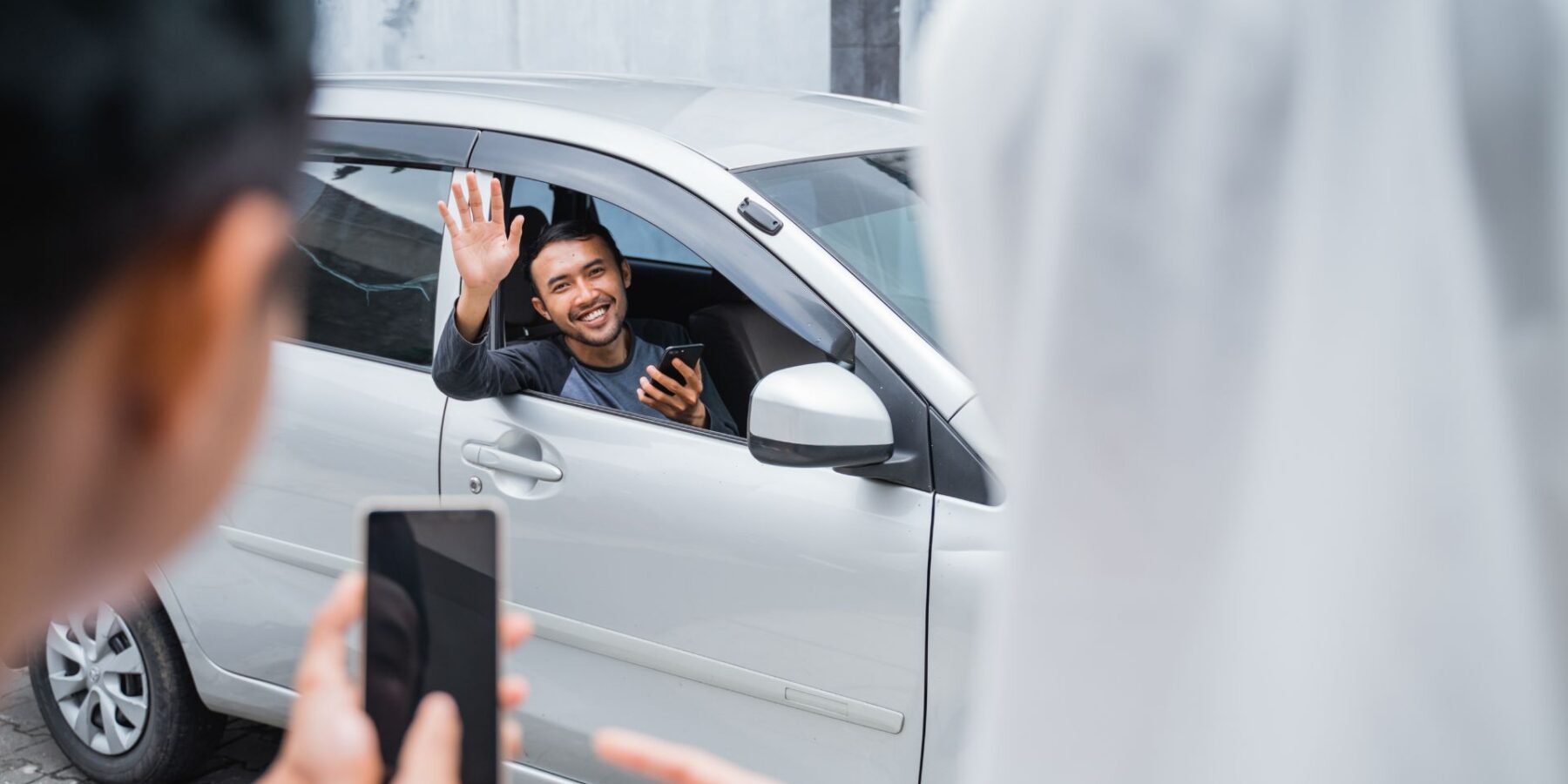
Rideshare Accident Lawyers in Boerne
A rideshare accident can raise immediate questions about who caused the crash and which insurance company should pay. Rideshare claims become difficult because the answer may depend on what the driver was doing at the exact moment of impact. Different insurance rules may apply depending on how you were injured and what the rideshare driver was doing. Lopez Law Firm’s rideshare accident lawyers in Boerne help injured people review app details, trip records, driver information, medical documentation, and insurance coverage before the claim gets pushed into the wrong category.
Boerne rideshare crashes can involve Uber, Lyft, private insurance, commercial coverage, or several carriers arguing over responsibility. That confusion can delay treatment payments, property damage decisions, and settlement discussions when the injured person needs answers quickly. A strong claim should identify the driver’s app status, preserve screenshots, document injuries, and challenge any insurer that tries to avoid coverage. Our rideshare accident attorneys in Boerne can help bring those pieces together with a claim built around all the facts of the case. Call Lopez Law Firm at (210) 504-5222 for a free consultation today from our rideshare accident lawyers in Boerne.

What Should You Do After a Rideshare Accident in Boerne
A rideshare accident can create insurance confusion almost immediately. The driver may have personal coverage, Uber or Lyft may have separate coverage, and the correct policy may depend on whether the driver was logged in, waiting for a request, heading to pickup, or carrying a passenger. Lopez Law Firm helps injured people protect the records that show what happened before those details become harder to confirm. App screenshots, trip receipts, police information, medical records, and insurance messages may all affect the claim. Early organization helps rideshare accident lawyers in Boerne identify the coverage issues that matter most.
Your first steps should focus on health, proof, and communication. Medical care creates a record that connects the crash to your injuries before an insurer questions timing. App details help show whether the crash involved rideshare activity or private driving. Factual reporting protects accuracy without guessing about fault, speed, or coverage. Careful follow-through gives the claim a stronger foundation from the start.
Get Medical Care After the Crash
Medical care should come first, even when pain feels manageable at the scene. Neck injuries, back strain, concussions, shoulder trauma, and internal injuries may feel worse after adrenaline fades. Treatment records show when symptoms began, what doctors found, and what care they recommended. Tell your provider how the crash happened and describe every painful area clearly. Medical documentation gives the injury claim proof that app records cannot replace.
Treatment Records Help Link Injuries to the Crash
Treatment records show when symptoms appeared and how doctors evaluated them after the impact. These records may document pain levels, diagnoses, referrals, prescriptions, and work restrictions. A complete medical timeline makes injury disputes harder for insurers to create.
Follow-Up Care Shows the Recovery Timeline
Follow-up care may reveal symptoms that emergency providers could not fully evaluate. Therapy notes, imaging results, and specialist visits show how recovery developed after the first appointment. Continued treatment helps prove the crash caused ongoing disruption.
Save Your Rideshare App Information
Rideshare app information may become some of the most important evidence in the claim. Screenshots may show the driver’s name, vehicle information, ride status, pickup time, route details, and payment record. Those details may help determine whether Uber, Lyft, personal insurance, or another policy applies. App records also help confirm that the crash happened during rideshare activity. Rideshare accident lawyers in Boerne use this information to challenge coverage delays and denials.
Screenshots Can Confirm the Driver’s Status
Screenshots may show whether the ride was active during the crash. They may also preserve the driver profile, vehicle description, pickup details, and trip timing. This proof helps prevent insurers from disputing basic coverage facts.
Trip Receipts Support the Insurance Review
Trip receipts may confirm timing, pickup information, destination details, and payment history. These records help connect the crash to the rideshare platform. Preserved receipts make coverage arguments more precise and harder to ignore.
Report the Crash Accurately
Reporting the crash creates an important record, but guessing about details may create problems later. Give accurate information about injuries, vehicle details, location, and what you personally observed. Avoid speculating about speed, app status, fault, or a driver’s intentions when the facts remain unclear. Insurance companies may use uncertain statements to reduce or delay payment. A factual report protects the claim while the evidence is reviewed.
Police Reports Preserve Key Crash Details
Police reports may include driver information, witness names, vehicle damage, and statements from people involved. Those details can help establish the basic timeline after the crash. Official documentation gives the claim a stronger starting point.
Careful Statements Reduce Claim Problems
Careful statements keep the report accurate without adding unsupported assumptions. Stress, pain, and confusion can affect what people say after impact. Clear communication protects the claim from avoidable insurance disputes.
Keep Every Insurance Message Organized
Insurance communication may come from several places after a rideshare accident. The rideshare driver’s insurer, another driver’s carrier, Uber, Lyft, or a claims administrator may contact you. Save emails, claim numbers, letters, texts, and voicemails so the coverage history stays organized. Do not assume the first insurer that calls is the only company involved. Organized communication helps prevent responsibility from getting buried between carriers.
Multiple Insurers May Shift Responsibility
Multiple insurers may disagree about which policy applies to the crash. Each company may look for reasons to delay payment or narrow coverage. Organized records help show who responded and what each insurer claimed.
Early Offers Need Careful Review
Early settlement offers may arrive before injuries and coverage issues become clear. Those offers may ignore future treatment, missed income, or daily limitations. The review should happen before any release ends the claim.
Contact a Rideshare Accident Lawyer Early
A lawyer can help sort out the insurance issues before the claim moves in the wrong direction. Rideshare crashes may involve app status disputes, multiple policies, delayed responses, and pressure to give statements too soon. Legal help can also protect medical proof, app records, witness information, and communication with insurers. Early involvement matters when coverage depends on details controlled by companies or claims administrators. Rideshare accident lawyers in Boerne can help keep the claim focused on facts, injuries, and available recovery.
Legal Help Can Clarify Coverage
Legal help can identify which policy may apply based on the driver’s app status. That review may include ride receipts, screenshots, insurer letters, and platform communications. Clear coverage analysis helps prevent delays from controlling the claim.
Early Guidance Protects Your Next Steps
Early guidance helps you avoid statements, forms, or releases that may weaken recovery. A lawyer can explain what records matter and what questions need caution. Strong direction keeps the claim from becoming insurer-driven.
How Rideshare Accident Liability Works in Boerne
Liability in a rideshare crash usually starts with one practical question regarding app status at the time of the accident. This answer matters because Texas rideshare claims may involve different insurance coverage depending on the driver’s activity at the time of impact. A driver waiting for a request, traveling to a pickup, or carrying a passenger may create a different claim path than a driver using the car personally. Rideshare accident lawyers in Boerne review app status, trip records, and crash facts before insurers push responsibility elsewhere.
Fault still needs its own investigation, even when insurance coverage becomes confusing. A rideshare driver may have caused the crash, another driver may be responsible, or several parties may share blame under Texas fault rules. Police reports, app screenshots, trip receipts, witness statements, medical records, and repair documents help show how the crash happened. Insurers may argue over coverage while the injured person deals with treatment, bills, and missed work. A strong liability review keeps the claim focused on proof instead of carrier excuses.
App Status Can Change The Insurance Path
App status matters because rideshare coverage depends heavily on what the driver was doing during the crash. A driver who had no active app connection may fall under personal auto insurance. A driver waiting for a request, heading toward a rider, or transporting a passenger may involve rideshare-related coverage. Screenshots, receipts, ride history, and platform messages help confirm the driver’s activity. Those records help prevent insurers from mislabeling the claim.
Offline Driving May Point To Personal Insurance
Offline driving usually means the driver was using the vehicle for personal reasons. Personal insurance may become the first coverage source when no ride activity exists. App records help confirm whether the driver was truly offline.
Active Ride Details May Open More Coverage
Active ride details may show that the driver had accepted a trip. Pickup information, route history, and passenger status may affect available coverage. Correct classification helps keep the claim from stalling.
More Than One Driver May Share Fault
A rideshare crash does not always point to one simple cause. The rideshare driver may have been distracted, speeding, or reacting poorly to traffic. Another driver may have made the unsafe move that caused the impact. Texas fault rules matter when insurers claim several people contributed to the crash. Liability becomes stronger when each driver’s conduct is matched with evidence.
Rideshare Driver Conduct Deserves Close Review
Rideshare driver conduct may include distraction from navigation, app alerts, or passenger communication. Unsafe turns, sudden stops, and poor lookout may also support fault. Driver behavior should be reviewed alongside trip activity.
Other Drivers May Carry Primary Responsibility
Another driver may have caused the crash, while the rideshare driver did nothing wrong. Police findings, witness statements, and damage patterns may identify that responsibility. The claim should follow the evidence, not assumptions.
App Records Help Prove The Claim
App records may become some of the most useful evidence after a rideshare accident. They may show driver identity, trip timing, pickup details, destination information, and ride status. Those details help connect the crash to the rideshare platform when insurers dispute coverage. They also help explain what the driver was doing before the collision. Preserved app evidence gives the liability claim a stronger foundation.
Trip Screenshots Preserve Important Ride Details
Trip screenshots may show the driver’s name, vehicle information, and ride status. They may also preserve timing details that disappear from easy view later. Early screenshots protect facts that insurers may question.
Receipts Help Confirm Timing And Coverage
Receipts may show pickup time, route information, payment details, and completed trip records. Those details help connect the collision to rideshare activity. Clear timing evidence makes coverage disputes harder to stretch.
Texas Fault Rules May Affect Recovery
Texas fault rules may reduce recovery when an insurer assigns blame to the injured person. That issue matters in rideshare crashes because multiple insurers may try to move responsibility away from their driver. Evidence must answer claims about distraction, speed, reaction time, and driver positioning. A person found mostly responsible may face serious limits on recovery under Texas law. Strong proof helps protect the claim from unfair blame shifting.
Shared Fault Claims Need Real Evidence
Shared fault claims should not rely on guesswork or broad accusations. Police reports, witness accounts, app records, and photographs may test those arguments. Fault percentages should reflect facts, not insurer pressure.
Coverage Disputes Should Not Delay Accountability
Coverage disputes may distract from the conduct that caused the crash. Insurers may argue about policies while treatment and bills continue. A focused claim keeps responsibility tied to the collision.

How Lopez Law Firm Builds Rideshare Accident Claims in Boerne for Maximum Compensation
A rideshare accident claim needs more than a medical bill and a driver’s name. Lopez Law Firm starts by identifying the driver’s app status, the available insurance coverage, the crash evidence, and the losses tied to the injury. That review matters because Uber, Lyft, personal insurers, and claims administrators may each try to narrow responsibility. The firm organizes trip records, medical documentation, police information, repair proof, and insurance messages into a claim that explains both fault and damages. Rideshare accident lawyers in Boerne should build the claim before coverage confusion reduces its value.
Maximum compensation depends on showing the full cost of the crash with records that insurers cannot easily dismiss. Lopez Law Firm reviews treatment needs, lost income, property damage, pain, transportation costs, and future recovery concerns. The firm also looks for missing proof that could weaken the demand if left unresolved. A rideshare claim becomes stronger when every loss connects to a record, timeline, or medical explanation. That preparation helps prevent insurers from treating a complicated injury claim like a routine payout.
Reviewing Insurance Coverage Before Negotiations Begin
Rideshare coverage can shift depending on what the driver was doing at the moment of impact. Lopez Law Firm reviews whether the driver was offline, waiting for a request, traveling to pickup, or carrying a passenger. That timing may affect which insurer should respond and how much coverage may be available. The firm also reviews letters, claim numbers, platform messages, and policy positions that show how each carrier handled responsibility. Maximum compensation starts with finding every coverage source that may apply.
App Status Records Can Open Coverage
App status records may show whether the driver was working through the platform during the crash. Screenshots, ride history, and trip receipts help prove the driver’s activity when insurers disagree. These details can reveal coverage that a personal insurer may deny.
Policy Review Helps Prevent Missed Recovery Sources
Policy review looks at rideshare coverage, personal auto coverage, and any other available insurance. Multiple companies may become involved when the facts show overlapping responsibility. A careful review helps keep compensation options from being overlooked.
Proving The Injury With Medical Documentation
Medical proof gives the claim a clear explanation of how the crash affected the injured person. Lopez Law Firm reviews emergency records, imaging, therapy notes, prescriptions, referrals, and future care recommendations. Those records help connect the collision to pain, diagnosis, restrictions, and recovery needs. Insurers may challenge treatment timing or argue that injuries were unrelated without complete medical support. A well-documented medical file gives the damages demand stronger weight.
Treatment Records Show The Recovery Path
Treatment records explain when symptoms started, what providers found, and how the injury changed over time. These records may include imaging results, therapy notes, medication history, and specialist recommendations. A complete timeline makes injury arguments harder to minimize.
Future Care Needs Should Be Valued Early
Future care may involve therapy, injections, surgery, medication, or follow-up appointments. Doctors’ recommendations help show why recovery may continue after settlement discussions begin. The claim should account for medical needs before any release closes the case.
Calculating Financial Losses After A Rideshare Crash
Financial losses after a rideshare accident may begin with medical bills, but they rarely stop there. Lopez Law Firm reviews missed work, reduced hours, repair costs, transportation expenses, and out-of-pocket spending. Wage records, employer letters, receipts, and repair estimates help show how the crash affected daily stability. These details matter because insurers may focus on the easiest numbers while ignoring repeated financial pressure. Maximum compensation requires a full accounting of the money the crash took away.
Wage Records Show Income Disruption
Wage records may include pay stubs, missed shifts, tax documents, and employer notes. These documents show how injuries affected work schedules and income after the crash. Strong proof turns income loss into a documented demand.
Receipts Preserve Smaller Claim Expenses
Receipts may show medical travel, prescriptions, rides, childcare, supplies, or repair-related costs. Smaller expenses can create real pressure when recovery takes weeks or months. Organized records keep those costs inside the compensation demand.
Presenting Pain And Daily Disruption Clearly
Pain and daily disruption deserve more than a short line in a settlement demand. Lopez Law Firm looks at how the crash affected sleep, movement, work routines, family responsibilities, and independence. Medical notes, personal records, and family observations may help explain limitations that bills do not show. These details become important when insurers reduce pain to a number without understanding its daily effect. Rideshare accident lawyers in Boerne can use specific examples to show the human cost of the crash.
Daily Limits Show More Than Treatment Costs
Daily limits may affect driving, walking, lifting, sleeping, household tasks, and family care. These problems show how an injury reaches beyond appointments and invoices. Specific examples make personal loss harder to ignore.
Pain Details Add Needed Human Context
Pain details may come from provider notes, therapy records, journals, or family observations. Those records help explain how discomfort affects ordinary routines between medical visits. Human context helps compensation reflect lived recovery, not paperwork alone.
Call Lopez Law Firm Today for a Free Consultation on Your Rideshare Accident
Rideshare claims can get complicated fast when app records, driver status, and insurance coverage all affect the same case. You should not have to figure out whether Uber, Lyft, a personal insurer, or another driver’s carrier should be responsible while you are dealing with injuries and missed work. Lopez Law Firm can review the crash details, preserve the records that matter, and help identify the compensation available for your injuries.
The earlier the claim gets organized, the harder it becomes for insurers to pass responsibility around. Lopez Law Firm helps injured passengers affected by rideshare crashes build claims supported by proof. Call Lopez Law Firm at (210) 504-5222 or visit our contact page for a free consultation with our rideshare accident lawyers in Boerne today.
Practice Areas
Trust Us With Your Personal Injury Claim
If you or a loved one have been injured, Lopez Law Firm will fight for you every step of the way. We will give our all to secure the compensation you rightfully deserve.



Contact usfor a free consultation.
Phone: (210) 504-5222