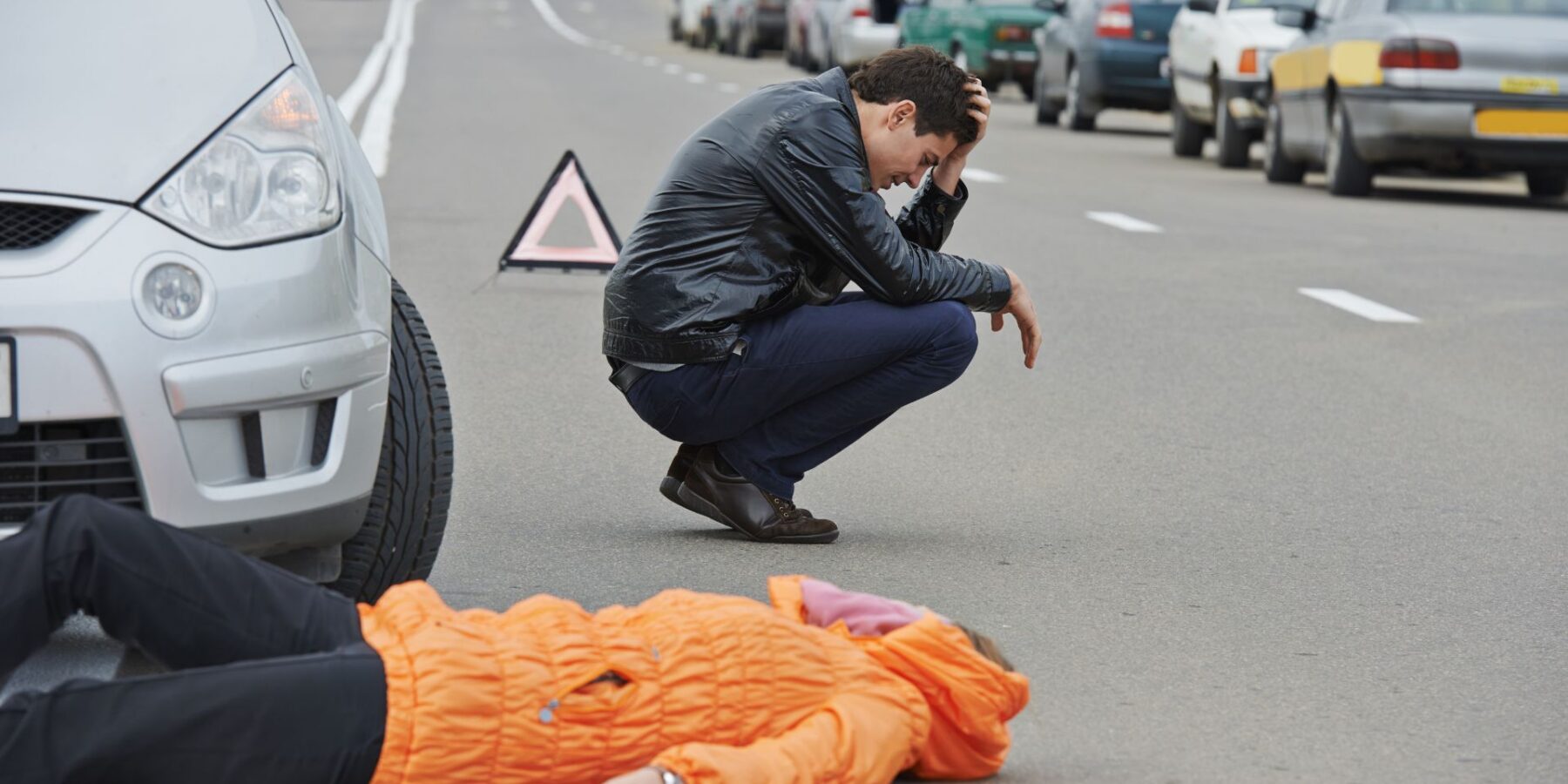
Pedestrian Accident Lawyers in Boerne
An everyday walk in Boerne can turn dangerous when a driver fails to yield or check for pedestrians. When a driver misses someone walking nearby, the pedestrian takes the force of the crash with almost nothing to shield them. Emergency care, mobility problems, surgery, missed work, and daily pain can follow before the insurer has even reviewed the full record. Pedestrian accident lawyers in Boerne at Lopez Law Firm help injured pedestrians connect the driver’s choices to the medical harm, financial strain, and life changes caused by the crash.
A pedestrian injury claim needs proof that explains the driver’s conduct without letting the insurer take control of the pedestrian accident narrative. The strongest records show where the impact happened, what the driver failed to do, how the injuries developed, and why the claim deserves serious attention. Pedestrian accident lawyers in Boerne are here to help gather witness details, police findings, photographs, medical records, and insurance communications before blame shifting takes over. Call Lopez Law Firm at (210) 504-5222 for a free case review today.

How Early Evidence Can Strengthen a Boerne Pedestrian Accident Claim
Evidence matters quickly after a pedestrian crash because the scene changes almost immediately. Vehicle positions shift, witnesses leave, nearby cameras overwrite footage, and visible injuries may look different within days. Lopez Law Firm helps injured pedestrians identify what should be preserved before an insurer starts questioning where the person was walking or how the driver reacted. Early proof can show driver inattention, unsafe turns, failure to yield, speed, and the physical impact of the collision. Pedestrian accident lawyers in Boerne use those details to keep the claim grounded in facts.
A pedestrian injury claim should not depend only on the driver’s explanation. Insurance companies may question visibility, crossing location, lighting, clothing, timing, or whether the pedestrian had enough time to avoid impact. Photographs, medical records, police findings, witness accounts, and surveillance footage can answer those arguments before they shape the claim. Texas pedestrian and driver duties may also matter when determining who had the right of way and who failed to use proper care. Early evidence gives the injured person a stronger position before blame shifting begins.
Photos Can Preserve The Crash Scene
Photos can capture details that disappear after cleanup, vehicle movement, or repairs. Images of the impact area, vehicle damage, nearby signs, lighting, crosswalk markings, and visible injuries may help explain how the crash happened. Photographs can also show whether the driver had space to slow down, stop, or avoid the person walking. Those details become important when an insurer later argues that the pedestrian was hard to see. Strong scene photos make weak visibility arguments harder to repeat.
Vehicle Damage Can Show Impact Force
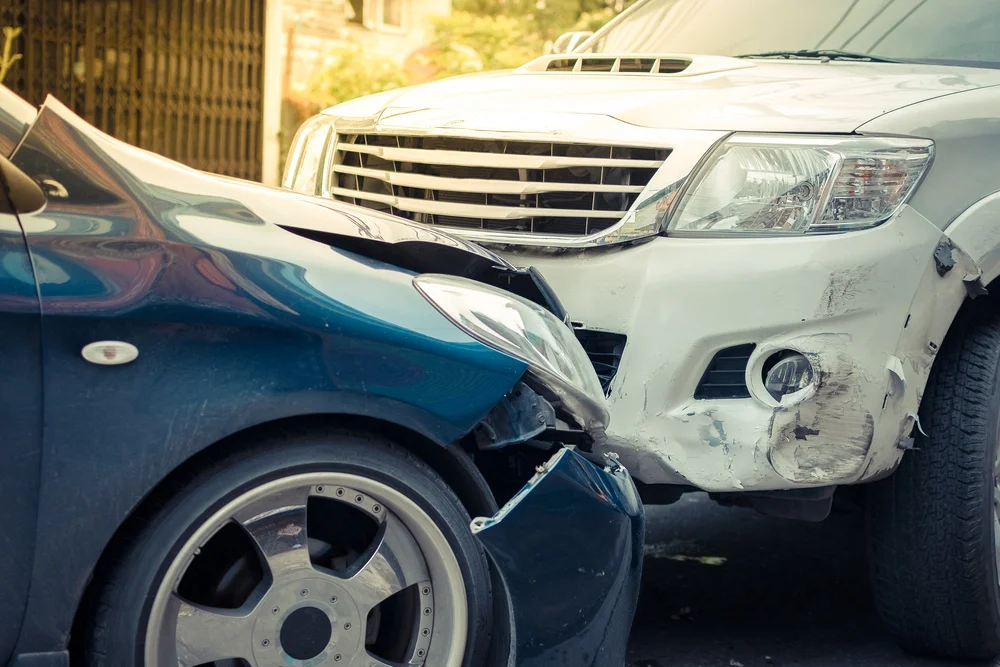
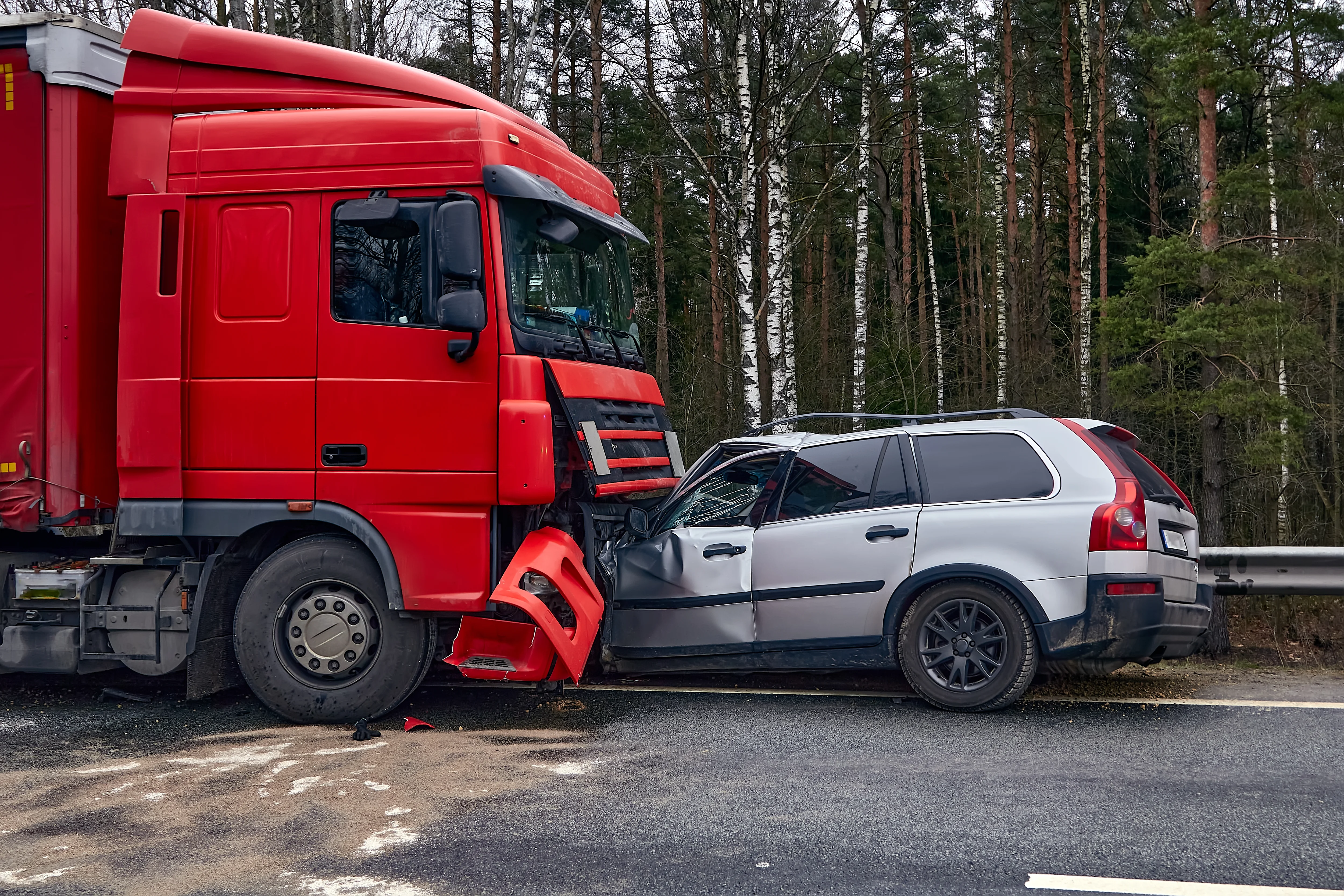
Vehicle damage may reveal where the pedestrian was struck and how force moved through the collision. Dents, broken lights, windshield cracks, and bumper damage may support the injury timeline. These details help connect the crash mechanics to the harm suffered.
Injury Photos Can Support Medical Records
Injury photos may show bruising, swelling, cuts, casts, or mobility limits after the crash. These images can support medical notes by showing what the body endured. Visual proof helps explain pain that paperwork may describe too briefly.
Witness Statements Can Protect The Pedestrian’s Account
Witnesses may notice driver behavior that the injured pedestrian never saw. Someone nearby may remember whether the driver slowed down, looked away, turned suddenly, or failed to yield. Their account may also confirm where the pedestrian was walking before impact. A quick statement carries value because memory fades and contact information becomes harder to find later. Independent observations can prevent the driver’s version from controlling the claim.
Outside Accounts Can Challenge Driver Excuses
Outside accounts may identify unsafe movement, distraction, or delayed braking before impact. These details can challenge claims that the pedestrian appeared suddenly. A neutral witness can make liability disputes more difficult for insurers.
Contact Information Should Be Saved Quickly
Witness names, phone numbers, and short notes should be saved early. Waiting too long may make helpful people impossible to locate. Fast contact preservation protects evidence that cannot be recreated later.
Medical Records Help Prove Injury Timing
Medical records show when pain began and how doctors connected injuries to the pedestrian accident. Emergency care, imaging, specialist referrals, prescriptions, therapy notes, and follow-up visits all help document recovery. These records matter because insurers may argue that symptoms came from another event. Prompt treatment also helps show that the injuries were serious enough to require medical attention right away. A complete medical timeline strengthens both causation and damages.
Early Treatment Supports Crash Causation
Early treatment creates a dated record of symptoms after impact. Doctors can document pain, mobility problems, fractures, head symptoms, or soft tissue injuries. Prompt records reduce the insurer’s room to question the injury origin.
Follow-Up Care Shows Ongoing Harm
Follow-up care may reveal complications that were not obvious immediately. Therapy notes and specialist records show how recovery changed over time. Continued care helps prove the crash affected daily life beyond the scene.
Video Footage May Confirm Driver Conduct
Video footage can become one of the strongest forms of evidence after a pedestrian accident. Nearby businesses, homes, dash cameras, or traffic cameras may capture vehicle movement before impact. Footage may show speed, turning behavior, stopping distance, crossing activity, or driver inattention. This evidence often disappears quickly when systems overwrite older recordings. Early requests can preserve proof that directly answers disputed liability questions.
Surveillance Footage May Show The Full Approach
Surveillance footage may show the driver’s approach before the collision. It can reveal speed, lane position, braking, or a failure to yield. That perspective may confirm fault more clearly than memory.
Dash Camera Evidence Can Add Detail
Dash camera evidence may capture movement, timing, and driver reactions seconds before impact. Those details can support or challenge statements made after the crash. Preserved video keeps the claim focused on what actually happened.
How Texas Pedestrian Laws Affect Boerne Injury Claims
Texas pedestrian laws can shape a Boerne injury claim before settlement talks begin. These rules help determine driver duties, pedestrian right of way, crossing responsibilities, and liability after a collision. A claim becomes stronger when the facts show the driver ignored duties designed to protect people walking near vehicles. Pedestrian accident lawyers in Boerne use those legal duties to explain why the driver should be held responsible. Texas law gives the claim structure beyond opinion, frustration, or insurance blame.
Pedestrian accident claims can also involve shared fault arguments under Texas law. Insurers may argue that the person walking crossed too late, missed a signal, used the wrong area, or failed to notice an approaching vehicle. Those arguments matter because Texas proportionate responsibility rules can affect recovery if fault is divided. Strong legal analysis should compare the pedestrian’s conduct with the driver’s duty to slow down, yield, watch carefully, and avoid preventable harm. A focused liability review keeps the claim grounded in Texas law and Boerne pedestrian accident facts.
Driver Yield Duties Under Texas Law
Texas pedestrian rules address situations where drivers must yield to people crossing with legal right of way. These issues may arise near marked crosswalks, unmarked crosswalks, controlled intersections, and areas where drivers should expect people walking nearby. A driver who fails to yield may create powerful liability evidence when the crash location supports the pedestrian’s position. The claim should examine driver speed, visibility, braking distance, and whether the driver had enough time to respond. Right of way becomes meaningful when the facts show the driver ignored it.
Crosswalk Rules That Support Pedestrian Injury Claims
Crosswalk rules help show whether the pedestrian had legal protection while crossing. Those rules may apply even when the driver claims the pedestrian appeared unexpectedly. Liability becomes stronger when crossing details and driver conduct support the same conclusion.
Yielding Duties That Show Driver Negligence
Yielding duties require drivers to recognize pedestrians and respond before impact occurs. A driver who keeps moving despite a visible pedestrian may have violated basic safety responsibilities. Those facts help connect Texas law to the injury claim.
Pedestrian Signals And Boerne Crash Liability
Pedestrian signals can play an important role when a crash happens near a controlled crossing. Walk signals, countdown timers, traffic lights, and turning traffic may all affect how liability gets evaluated. A pedestrian following the signal may have stronger support when an insurer tries to question crossing behavior. A turning driver may still need to yield or use caution when someone is lawfully crossing. Signal compliance can narrow the dispute around fault.
Walk Signal Evidence And Right Of Way
Walk signal evidence may show that the pedestrian entered the crossing with legal support. Signal details can challenge arguments that the pedestrian crossed at the wrong time. These facts make liability harder for insurers to blur.
Turning Driver Duties Near Lawful Crossings
Turning drivers must watch for pedestrians before completing the turn. A green light does not erase the duty to yield when someone is crossing lawfully. Driver attention remains central to liability in signal-related crashes.
Driver Caution Beyond Marked Crosswalks
Not every pedestrian accident happens inside a painted crosswalk or controlled intersection. Texas law still recognizes that drivers must use due care to avoid striking pedestrians. That duty matters near parking areas, driveways, road shoulders, neighborhoods, and places where people commonly walk. An insurer may argue that the pedestrian’s location ends the case, but driver conduct still needs review. Liability may exist when the driver had a fair chance to avoid impact.
Due Care Beyond Painted Crossings
Due care means drivers should stay alert and respond safely around pedestrians. That duty can matter even when the crossing location creates factual disputes. A pedestrian’s location should not automatically excuse careless driving.
Parking Lot Liability After Pedestrian Crashes
Parking lot crashes often involve backing vehicles, distracted drivers, and limited sightlines. Drivers should move cautiously where people walk between vehicles, entrances, and storefronts. These claims require attention to speed, lookout, and movement.
Shared Fault Arguments In Texas Pedestrian Claims
Texas proportionate responsibility rules may reduce or prevent recovery when insurers assign fault to the injured pedestrian. A claimant may not recover damages when their responsibility is greater than fifty percent under Texas law. Insurers may use that rule to argue about crossing location, signal timing, attention, clothing, or visibility. Those claims should be tested against driver behavior and the full crash context. Pedestrian accident lawyers in Boerne help answer percentage arguments before they control settlement value.
Insurance Blame Shifting After Pedestrian Accidents
Insurers may argue that the pedestrian caused the crash before reviewing every fact. Those arguments may focus on visibility, timing, or crossing location. Evidence and legal analysis help prevent unfair fault percentages.
Fault Percentages Based On Real Conduct
Fault percentages should come from facts, not pressure tactics. Driver speed, lookout, yielding duties, and pedestrian conduct all need review. Fair recovery depends on accurate responsibility findings.

How Lopez Law Firm Builds Strong Pedestrian Accident Claims for Boerne Residents
A pedestrian accident claim should show more than the crash location or the first medical bill. Lopez Law Firm reviews the injuries, treatment plan, insurance coverage, lost income, household disruption, and long-term recovery concerns that may affect a Boerne resident after a serious collision. The firm builds the claim around the injured person’s actual recovery instead of letting the insurer reduce the case to a narrow fault argument. This approach matters when walking, working, sleeping, caregiving, or managing basic routines becomes harder after impact. Pedestrian accident lawyers in Boerne should make the claim reflect the full disruption, not just the first report.
Lopez Law Firm also reviews how the crash affected stability at home, work, and during medical recovery. A pedestrian injury may change transportation, family responsibilities, physical independence, and future care needs in ways that do not appear in a short insurance summary. The firm organizes medical records, wage documents, policy information, personal impact details, and settlement support into a claim that explains what the pedestrian lost. This section focuses on the claim-building process after fault, Texas law, and early evidence have already been addressed. A stronger claim gives the insurer fewer ways to undervalue the recovery.
Treatment Planning for Serious Pedestrian Injuries
Serious pedestrian injuries may require more than emergency care, especially when fractures, head trauma, back injuries, internal injuries, or surgical needs appear after the first evaluation. Lopez Law Firm reviews medical records to understand diagnosis, treatment timing, referrals, prescriptions, therapy, and provider recommendations. That review helps identify whether the claim should include future appointments, mobility support, pain management, or long-term restrictions. Medical treatment planning also helps show why recovery may continue after the insurer wants a quick settlement. A claim becomes stronger when treatment needs are explained before settlement pressure begins.
Specialist Care After Pedestrian Impact Injuries
Specialist care may include orthopedic treatment, neurological evaluation, pain management, wound care, or physical therapy after a pedestrian crash. These records explain why recovery may continue beyond the emergency room. Rehabilitation details help show the difference between temporary soreness and serious injury.
Future Treatment Needs Before Settlement
Future treatment planning matters when doctors expect continued therapy, surgery, medication, or mobility limitations. Those recommendations should be included before any settlement release ends the case. Future medical needs deserve review before insurers push closure.
Lost Income and Household Costs After a Pedestrian Crash
A pedestrian accident can create financial pressure quickly, especially when injuries limit work, driving, caregiving, errands, or ordinary movement. Lopez Law Firm reviews wage records, employer notes, receipts, transportation expenses, and out-of-pocket costs tied to the crash. These records help show how one collision affected household stability beyond medical bills alone. Lost income may include missed shifts, reduced hours, used leave time, lost overtime, or reduced earning ability. Financial documentation gives the claim practical support that insurers cannot dismiss easily.
Work Disruption After Serious Walking Injuries
Work disruption may involve missed shifts, reduced hours, modified duties, or used leave time after the crash. Employer notes can explain how medical restrictions affected normal job responsibilities. Strong wage proof helps make financial harm harder to minimize.
Daily Expense Pressure During Recovery
Daily expense pressure may grow when transportation, medication, childcare, or home help becomes necessary. Receipts and written records preserve costs that may seem small at first. Repeated expenses can become meaningful during a long recovery.
Insurance Coverage Review for Pedestrian Injury Claims
Pedestrian accident claims may involve several coverage questions depending on who caused the crash and which policies apply. Lopez Law Firm’s pedestrian accident lawyers in Boerne review the driver’s insurance, possible uninsured or underinsured motorist issues, medical payment coverage, and any available recovery sources. This review matters when the at-fault driver has limited coverage or when an insurer disputes responsibility for parts of the claim. Coverage questions should be addressed before negotiations become serious because missing insurance information can limit recovery options. A full policy review helps protect the injured person from leaving available compensation undiscovered.
Available Policies After a Pedestrian Accident
Available policies may include the at-fault driver’s coverage, uninsured coverage, underinsured coverage, or other applicable benefits. Each policy may carry different limits, exclusions, and reporting requirements. Identifying coverage early helps prevent avoidable delays.
Policy Limits and Recovery Strategy
Policy limits can affect settlement strategy when injuries require extensive treatment or long-term care. Lopez Law Firm reviews coverage alongside medical damages and financial losses. The claim should account for every possible recovery source.
Daily Life Impact After a Pedestrian Accident
Medical records do not always show how a pedestrian crash changes daily life at home. Lopez Law Firm looks for specific details about pain, sleep disruption, limited mobility, missed family responsibilities, emotional strain, and reduced independence. These details matter because insurers may undervalue losses that do not appear neatly on an invoice. Personal impact documentation may include written notes, caregiver observations, photographs, and treatment updates. A stronger claim shows what recovery looks like between appointments.
Home Routine Changes After Serious Injury
Home routine changes may involve walking limitations, bathing difficulties, household chores, errands, and transportation problems. These details show how the injury affects ordinary life in Boerne. Specific examples make personal losses harder to ignore.
Family Support and Caregiving Burdens
Family support may become necessary when injuries limit movement, childcare, meal preparation, or appointment travel. Caregiving burdens can affect the entire household after a serious pedestrian crash. These details help explain harm beyond the injured person alone.
Settlement Preparation for Full Pedestrian Injury Recovery
Lopez Law Firm prepares pedestrian accident claims so settlement discussions start with a complete record. The firm reviews treatment status, wage loss, insurance coverage, future care, personal limitations, and the documentation needed to support each demand. A premature settlement may leave unpaid medical needs, future income loss, or ongoing pain outside the claim. Careful preparation gives the injured person a stronger position before the insurer presents a final number. Settlement strategy should reflect recovery needs, not the insurer’s preferred timeline.
Demand Packages With Complete Claim Support
Demand packages should include records that explain treatment, income loss, personal impact, and available coverage. Each category should connect to the crash and the recovery process. Complete support makes low settlement positions harder to justify.
Final Review Before Settlement Decisions
Final review should happen before signing any release or accepting payment. Lopez Law Firm examines unresolved treatment, future expenses, and insurance issues before settlement discussions end. Careful review protects the injured person from closing the claim too soon.
Start a Free Case Review With Lopez Law Firm’s Pedestrian Accident Lawyers in Boerne
Pedestrian accident claims need prompt attention because injuries, insurance pressure, and recovery costs can grow quickly after impact. The driver’s insurer may focus on blame, visibility, or crossing details while you are still dealing with the effects of the accident. Lopez Law Firm helps Boerne residents organize the records that show what happened and what recovery may require.
Your claim should not be rushed before the full medical picture becomes clear. Lopez Law Firm can review the crash, insurance issues, treatment needs, income loss, and long-term impact before settlement decisions are made. If you recently were in a pedestrian accident, call Lopez Law Firm at (210) 504-5222 or visit our contact page for a free consultation today with our pedestrian accident lawyers in Boerne and take the first steps towards getting the compensation that you deserve.
Practice Areas
Trust Us With Your Personal Injury Claim
If you or a loved one have been injured, Lopez Law Firm will fight for you every step of the way. We will give our all to secure the compensation you rightfully deserve.

Contact usfor a free consultation.
Phone: (210) 504-5222