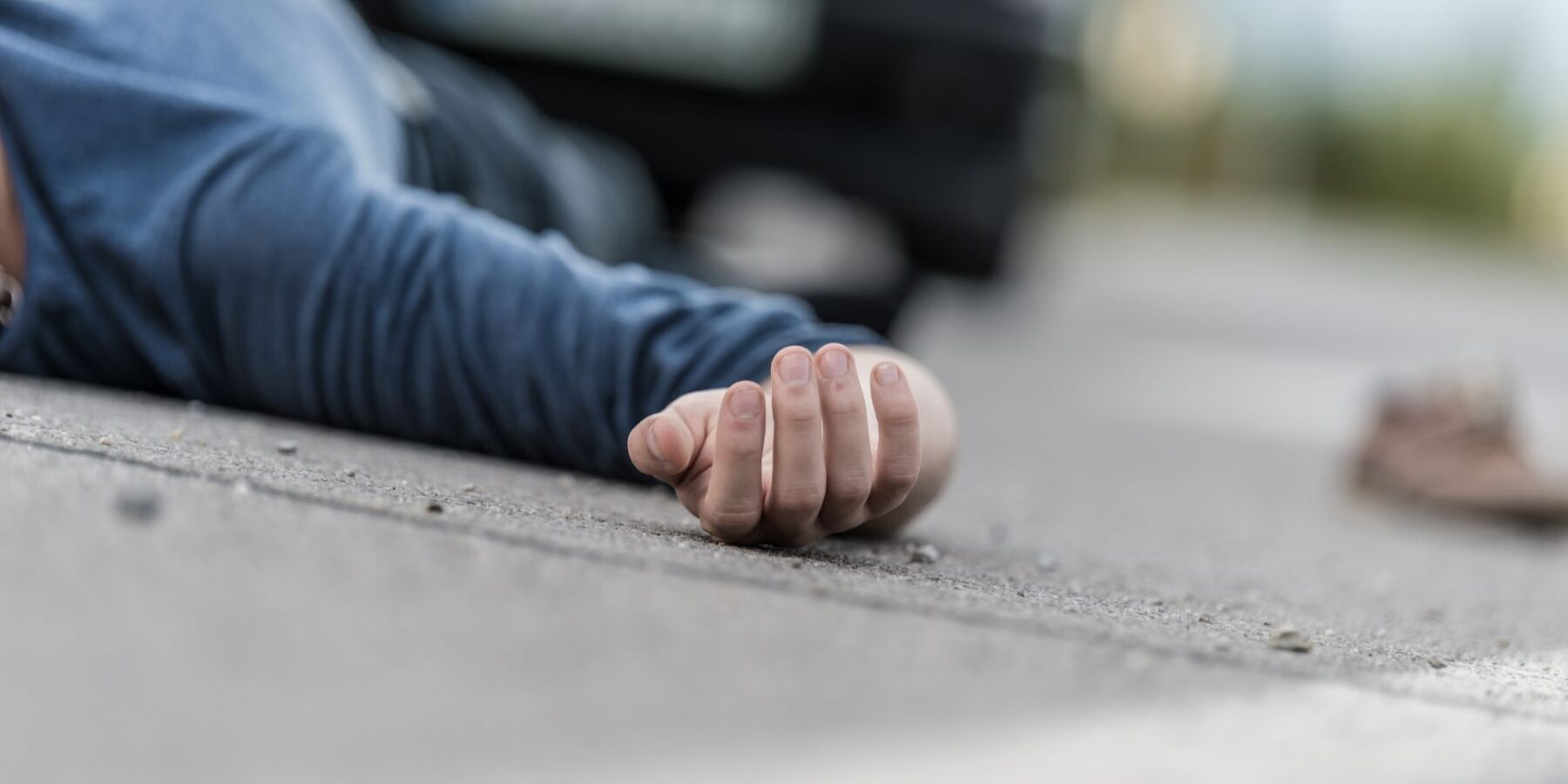
Pedestrian Accident Lawyers in Leon Valley
A pedestrian accident in Leon Valley can turn a regular walk into a recovery process filled with medical appointments, mobility problems, insurance questions, and financial problems from days off work. Lopez Law Firm helps injured pedestrians build claims that address driver negligence, Texas safety duties, medical treatment, insurance coverage, and the full disruption caused by the crash. Our pedestrian accident lawyers in Leon Valley can help you get the maximum compensation for your claim.
Insurance companies often look for small details they can use against someone who was hit while walking. They may question timing, visibility, crossing location, or whether the driver had enough time to react. A strong claim should answer those arguments with records that show what happened and what the injuries now require. Pedestrian accident lawyers in Leon Valley can help organize the facts before the insurer narrows the story to lower the compensation. Call Lopez Law Firm at (210) 504-5222 for a free pedestrian accident case review today.

Why You Should Contact a Pedestrian Accident Lawyer in Leon Valley Immediately After a Crash
Insurance pressure can begin before the injured person understands the full medical picture. An adjuster may ask about visibility, walking location, pain levels, or the driver’s reaction before any records have been reviewed. Lopez Law Firm helps injured pedestrians avoid rushed answers that could later be used to question fault or damages. Early legal support also helps organize treatment records, insurance messages, wage information, and crash details before confusion spreads. Pedestrian accident lawyers in Leon Valley can help keep the claim focused on recovery instead of insurer assumptions.
Immediate help also matters because pedestrian injuries can become more serious after the first day. Pain, dizziness, swelling, mobility problems, and emotional stress may continue developing after the initial shock fades. A lawyer can help protect the claim while doctors evaluate the injury timeline and treatment needs. This early structure gives the injured person more control before settlement pressure begins. The claim should develop around documented harm, not rushed insurance conclusions.
Insurance Pressure Starts Before the Claim Is Ready
Insurance companies may contact injured pedestrians before medical providers understand the full extent of the injuries. These early conversations can create problems when an adjuster asks for details that the injured person cannot safely answer yet. Pain, medication, confusion, and stress may affect how someone describes the crash or their symptoms. A lawyer can help manage communication while key records are still being gathered. Early protection keeps the claim from being shaped by incomplete information.
Statements That Create Problems for Injury Claims
Statements given too early may leave out pain, treatment concerns, or important crash details. Insurers may later use those missing details to question credibility. Careful communication helps prevent avoidable damage during the claim’s earliest stage.
Settlement Offers Before Medical Recovery Is Clear
Settlement offers may arrive before doctors identify future treatment needs. Those offers may ignore therapy, surgery, missed income, or lasting limitations. A claim should not close before recovery becomes medically clearer.
Medical Proof Needs Attention From the Start
Pedestrian crashes can cause injuries that affect walking, standing, sleeping, working, and daily movement. Medical records create the timeline that connects the impact to the symptoms and treatment that follow. Emergency care, imaging, referrals, prescriptions, and follow-up visits all help explain the recovery process. Insurers may question injury severity when treatment is delayed or poorly documented. Strong medical proof gives the claim a foundation beyond personal pain descriptions.
Treatment Records That Link Pain to the Impact
Treatment records show when symptoms began and what doctors found after the crash. These records may document fractures, head pain, back injuries, and mobility problems. Prompt records make unrelated-injury arguments harder for insurers to push.
Follow-Up Care That Shows Lasting Injury Effects
Follow-up care may reveal complications that emergency records missed. Therapy notes and specialist visits show how recovery changes over time. Continued treatment helps prove the crash disrupted daily life.
Driver Fault Arguments Need Early Pushback
Drivers may try to explain the crash in ways that shift attention away from their own conduct. They may claim the pedestrian was difficult to see, crossed too suddenly, or failed to react quickly enough. Those claims need review against Texas pedestrian rules, vehicle movement, visibility, driver attention, and crossing details. Pedestrian accident lawyers in Leon Valley can challenge blame arguments before they become the insurer’s main position. Early response prevents speculation from replacing responsibility.
Visibility Arguments That Shift Fault Unfairly
Visibility arguments should be reviewed against lighting, distance, driver attention, and vehicle movement. A driver still has duties to watch for people walking nearby. Legal review helps separate real facts from blame-shifting tactics.
Right-of-Way Details That Affect Liability
Right-of-way details can influence fault after a pedestrian impact. Crossing location, traffic signals, and driver movement all deserve review. Accurate legal analysis protects the pedestrian from unfair fault claims.
Legal Support Organizes the Claim From the Start
A pedestrian crash can create medical, financial, and insurance problems at the same time. Legal help gives the injured person a plan for records, communication, deadlines, and settlement review. A lawyer can examine insurance coverage, medical proof, income loss, and driver responsibility before negotiations begin. Pedestrian accident lawyers in Leon Valley help organize the claim so insurers cannot control the story alone. Structure matters when recovery already feels overwhelming.
A Strategy for Medical Bills and Lost Income
A claim strategy connects treatment costs, wage loss, insurance coverage, and future needs. This connection helps prevent important damages from being overlooked. Organized records give the injury claim stronger support during negotiations.
Early Support Before Insurers Control the Claim
Early support can prevent rushed statements, incomplete forms, and premature settlement decisions. Those mistakes may become difficult to fix later. Timely legal help protects options before insurers gain leverage.
Common Causes of Pedestrian Accidents in Leon Valley
Pedestrian accidents in Leon Valley often happen because a driver fails to slow down, scan carefully, or recognize someone walking near traffic. These crashes may occur near crossings, parking areas, neighborhood entrances, business driveways, or busy roadside spaces where vehicles and pedestrians move close together. A driver’s small mistake can become a serious injury when the person walking has no protection from impact. Common causes matter because they help explain the driver behavior, traffic conditions, and safety failure behind the collision. Pedestrian accident lawyers in Leon Valley can use those details to connect the crash to liability and damages.
A strong pedestrian injury claim should identify the exact conduct that made the crash preventable. Driver distraction, unsafe turns, speeding, poor backing, and failure to yield can each create different evidence needs. Medical records may show the harm, but the cause of the crash explains why the driver should be responsible. Insurance companies may try to describe the collision as unavoidable, especially when the pedestrian’s movement becomes disputed. A detailed cause analysis helps keep the claim focused on preventable driver choices.
Distracted Driving Near Pedestrian Areas
Distraction creates danger because drivers lose the seconds needed to notice someone walking nearby. Phone use, navigation screens, conversations, food, and other interruptions can pull attention away from crossings and parking areas. A distracted driver may never brake until impact becomes unavoidable. These cases may involve witness accounts, vehicle movement, phone records, or statements about the driver’s attention before the crash. Distraction evidence helps show that the pedestrian was missed because the driver failed to watch carefully.
Phone Use and Missed Pedestrians
Phone use can delay reaction time during the most important seconds before impact. A driver looking down may miss a person crossing, standing near traffic, or walking through a parking area. That lost attention can explain why the crash happened.
Navigation Screens and Driver Attention
Navigation screens may distract drivers who are searching for directions or ride locations. That distraction becomes dangerous near walkers, storefronts, driveways, and parking rows. Safe driving requires attention beyond the screen.
Unsafe Turns Around People Walking
Unsafe turns can place a vehicle directly into a pedestrian’s path. Drivers may focus on traffic gaps while failing to scan for someone crossing nearby. A turning crash can happen at intersections, driveways, parking lot exits, or neighborhood entrances. These collisions often raise questions about lookout, speed, yielding duties, and whether the driver checked both directions before moving. Turn-related evidence helps show why the pedestrian had little time to avoid impact.
Left Turns and Pedestrian Exposure
Left turns can require drivers to judge traffic while also watching for pedestrians. A rushed turn may cut across a crossing path before the person walking clears the area. Driver timing becomes central to proving fault.
Right Turns and Crosswalk Conflicts
Right turns can endanger pedestrians when drivers look only toward approaching vehicles. A pedestrian may already be crossing while the driver rolls forward. Careful scanning should happen before every turn.
Speeding Through Pedestrian Zones
Speeding increases the danger because drivers need more distance to stop safely. Even a modest speed increase can make pedestrian injuries more severe after impact. Drivers should slow down where people may be walking, crossing, entering businesses, or moving between parked vehicles. Speeding also weakens a driver’s claim that the crash happened too suddenly to prevent. The faster the vehicle moved, the harder it becomes to excuse delayed reaction.
Stopping Distance and Injury Severity
Stopping distance grows when a driver travels too fast for the setting. That added distance may eliminate the chance to avoid a pedestrian. Speed evidence can connect unsafe driving to serious injury.
Parking Areas and Lower Speed Duties
Parking areas require slower driving because pedestrians may appear between vehicles. Drivers should expect people walking with bags, children, or limited visibility. Low-speed zones still create serious injury risks.
Backing Vehicles and Limited Visibility
Backing crashes often happen because drivers move before checking behind the vehicle completely. Pedestrians may be walking through parking rows, near driveways, or behind vehicles leaving spaces. Backup cameras help, but they do not replace mirrors, shoulder checks, and slow movement. A driver who backs without enough attention may strike someone who has little warning. Backing accidents require careful review of vehicle movement, visibility, and pedestrian position.
Driveway Exits and Backing Risks
Driveway exits can create danger when drivers reverse toward sidewalks or walking paths. A pedestrian may not expect a vehicle to move suddenly from a parked position. Slow backing and full visibility checks are essential.
Parking Lot Reversing Accidents
Parking lot reversing accidents may involve blocked sightlines, tight spaces, and distracted drivers. Pedestrians can be difficult to see behind larger vehicles or crowded rows. Driver caution matters most where visibility is limited.
Failure to Yield Near Crossings and Walkways
Failure to yield can cause serious pedestrian injuries when drivers ignore people walking through crossings, entrances, or shared traffic areas. These crashes often involve drivers who rush forward, misjudge a pedestrian’s pace, or assume the person walking will stop first. Texas pedestrian accident claims should review whether the driver had enough time and space to slow down safely. Yielding failures may also connect to distraction, speeding, or poor lookout before impact. This cause helps explain crashes where the driver had a clear chance to prevent harm.
Driver Lookout Before Pedestrian Impact
Driver lookout means more than glancing ahead while moving through traffic. A driver should scan for pedestrians near crossings, parked vehicles, driveways, and business entrances. Poor lookout can explain why a preventable crash happened.
Yielding Mistakes and Serious Injury Risk
Yielding mistakes become dangerous because pedestrians cannot absorb a vehicle impact safely. Even brief hesitation or delayed braking can cause severe harm. These facts help show why the driver’s conduct mattered.

How Lopez Law Firm Pursues Compensation After a Pedestrian Impact
A pedestrian impact claim should explain the full cost of being hit by a vehicle, not only the first round of medical bills. Lopez Law Firm reviews treatment records, wage information, insurance coverage, pain documentation, household disruption, and future recovery concerns before presenting the claim. That process helps show what compensation may be available for medical care, lost income, reduced earning ability, pain, mobility limits, transportation needs, and out-of-pocket expenses. Pedestrian accident lawyers in Leon Valley should connect every requested amount to records, not estimates that insurers can ignore. A well-built compensation claim gives the injured person’s recovery a stronger financial foundation.
Lopez Law Firm also looks at how the pedestrian injury changed ordinary routines after the crash. A serious impact may affect walking, sleeping, bathing, working, driving, childcare, errands, and independence. Insurance companies may focus on visible injuries while undervaluing the daily consequences that continue after appointments end. The firm organizes medical proof, financial records, family observations, and insurance communications into a demand that reflects the full harm. Compensation should match the recovery process, not the insurer’s fastest closing number.
Medical Treatment and Future Care Costs
Medical costs may include emergency care, imaging, hospitalization, surgery, prescriptions, therapy, specialist appointments, and future treatment. Lopez Law Firm reviews those records to show how the pedestrian impact caused specific injuries and treatment needs. Future care may become important when doctors expect additional therapy, procedures, pain management, or mobility support. The claim should explain those needs before settlement discussions become final. Medical compensation should follow the full recovery timeline.
Emergency Care After Pedestrian Impact Injuries
Emergency care may document fractures, head trauma, internal injuries, back pain, or visible wounds after impact. Those records create the first medical connection between the crash and the injured person’s condition. Later treatment should build from that starting point.
Future Treatment Before Settlement Decisions
Future treatment may include therapy, injections, surgery, medication, or specialist monitoring. Doctor recommendations help show why the claim should account for care that remains ahead. Settlement should not close before medical needs are understood.
Lost Income and Reduced Work Ability
A pedestrian injury can interrupt work quickly when pain, mobility limits, medical appointments, or medication side effects interfere with job duties. Lopez Law Firm reviews pay stubs, employer letters, schedules, tax records, and medical restrictions to document income loss. Compensation may include missed shifts, reduced hours, lost overtime, used leave time, and future earning limits. These records help show how the crash affected financial stability beyond medical bills. Lost income deserves proof that reflects both immediate disruption and future risk.
Wage Records and Missed Work Proof
Wage records may show missed shifts, reduced hours, or used leave time after the crash. Employer notes can explain how injuries affected attendance or work duties. Strong documentation makes income loss harder to minimize.
Work Restrictions and Future Earnings
Work restrictions may limit standing, walking, lifting, driving, or concentration after serious injuries. Those limits can affect overtime, job duties, and long-term earning ability. Future income harm deserves review before compensation gets negotiated.
Pain and Daily Life Disruption
Pain and suffering damages address the physical discomfort and personal disruption that bills cannot fully show. A pedestrian impact may affect sleep, walking, household tasks, family responsibilities, confidence, and emotional stability. Lopez Law Firm’s pedestrian accident lawyers in Leon Valley look for treatment notes, personal records, photographs, and family observations that explain these losses clearly. Those details matter because insurers may undervalue pain that does not appear on an invoice. Personal impact should be presented with specific proof.
Mobility Limits After Serious Pedestrian Injuries
Mobility limits may affect walking, stairs, bathing, errands, and transportation after the crash. These limitations can make ordinary responsibilities take longer or require help from others. Specific examples show the real burden of recovery.
Pain Records and Personal Impact
Pain records may include therapy notes, provider observations, photographs, and written symptom details. These records help explain what the injured person experiences between medical appointments. Strong personal documentation gives non-economic damages clearer support.
Out-of-Pocket Costs and Practical Expenses
Pedestrian accident recovery can create smaller expenses that become stressful when they repeat for weeks or months. Lopez Law Firm reviews receipts for transportation, prescriptions, medical supplies, mobility aids, childcare, home help, and appointment travel. These costs may not seem large individually, but they show how the crash changed daily life and household spending. Insurance companies may overlook practical expenses when documentation is incomplete. Organized receipts keep those losses inside the compensation demand.
Transportation and Appointment Costs
Transportation costs may increase when injuries prevent walking, driving, or using normal routines. Appointment travel, rides, parking, and related expenses can add financial pressure during recovery. Receipts help connect those costs to the pedestrian accident.
Medical Supplies and Home Help
Medical supplies may include braces, bandages, mobility aids, prescriptions, or wound care items. Home help may become necessary when injuries limit chores, childcare, or basic movement. Practical expenses deserve attention alongside larger medical bills.
Insurance Negotiation and Claim Presentation
Lopez Law Firm prepares compensation demands so insurers see the complete recovery picture before negotiations begin. The firm connects liability proof, treatment records, wage loss, future needs, and personal impact into one organized claim. That presentation matters when insurers try to separate the crash from later pain, expenses, or work problems. A strong demand can make low offers harder to defend. Pedestrian accident lawyers in Leon Valley can help pursue compensation with records that support each category of loss.
Demand Letters With Complete Damage Support
Demand letters should explain medical care, lost income, pain, future needs, and practical expenses. Each category should connect to the crash through records and treatment history. Complete support gives negotiations a stronger starting point.
Settlement Review Before Signing Releases
Settlement review matters because signed releases may end the claim permanently. Lopez Law Firm examines unresolved treatment, future costs, and insurance issues before decisions are made. Careful review helps protect compensation from being cut short.
Choose Lopez Law Firm for Your Pedestrian Accident Claim in Leon Valley Today
A pedestrian impact can change the way you move through every part of your day. Medical appointments, pain, missed work, and insurance calls can start stacking up before recovery feels stable and long-term effects are clear. Lopez Law Firm helps injured pedestrians identify what the crash has already cost and what future recovery may still require to ensure their claim captures all losses from the incident.
The claim should not be rushed while treatment, wage loss, and daily limitations remain unsettled. Lopez Law Firm can review the driver’s conduct, available insurance, medical proof, and compensation options with your long-term recovery in mind. We are here to help you get the compensation that you deserve for your pedestrian accident. Call Lopez Law Firm at (210) 504-5222 or visit our contact page for a free consultation today from our pedestrian accident lawyers in Leon Valley.
Practice Areas
Trust Us With Your Personal Injury Claim
If you or a loved one have been injured, Lopez Law Firm will fight for you every step of the way. We will give our all to secure the compensation you rightfully deserve.



Contact usfor a free consultation.
Phone: (210) 504-5222