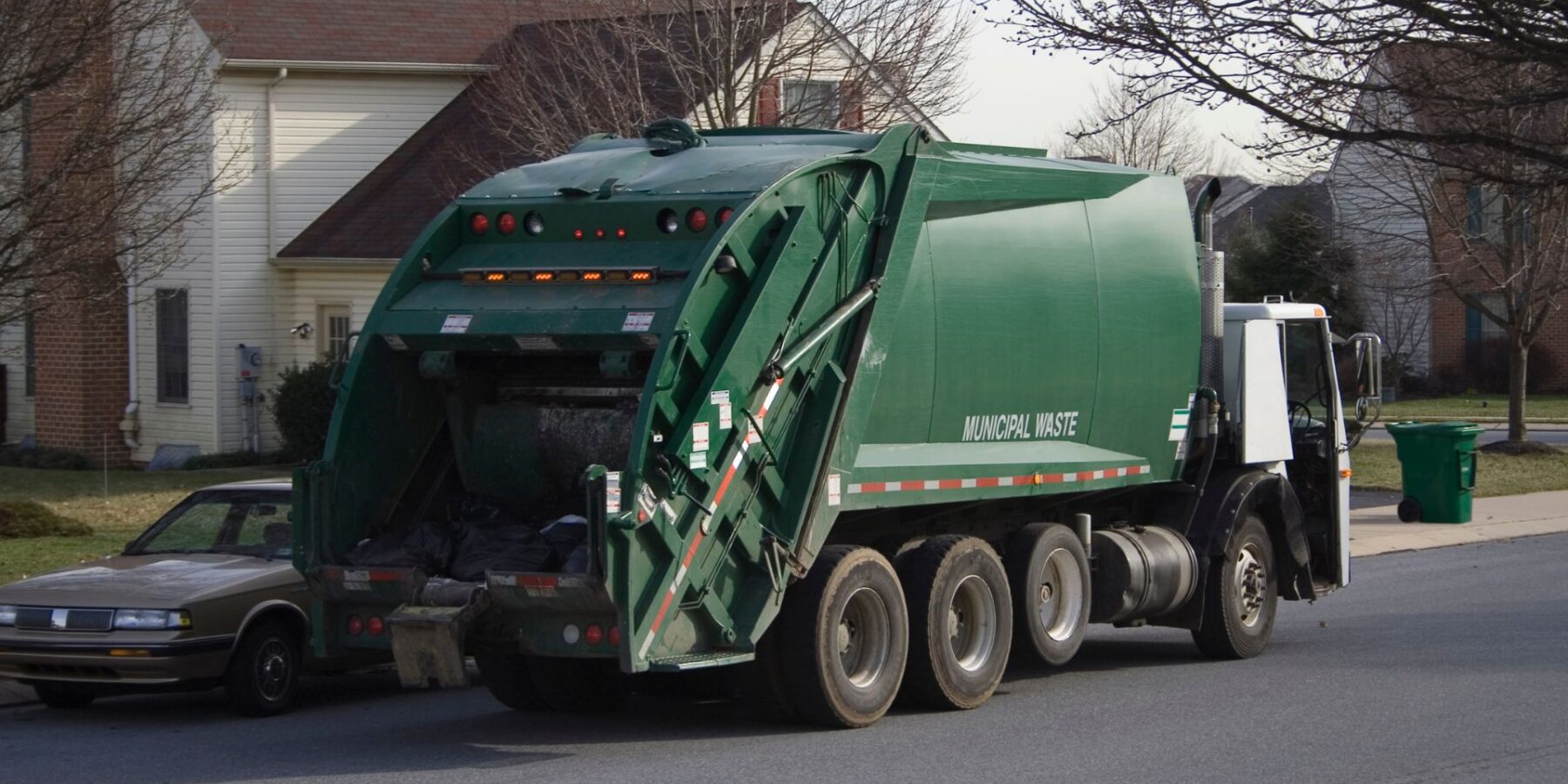
Trash Truck Accident Lawyers in San Antonio
Trash truck accidents in San Antonio often involve heavy commercial vehicles, tight neighborhood routes, frequent stops, and serious injury risks. These crashes can happen near homes, schools, apartment entrances, construction areas, and busy roads like Loop 410, I-35, I-10, and Highway 281. Federal Motor Carrier Safety Administration rules address commercial vehicle duties involving driver qualifications, inspections, maintenance, and safe operation, which can matter when a garbage truck crash causes injuries. If you need trash truck accident lawyers in San Antonio, Lopez Law Firm can review the facts and explain how a claim may move forward.
A garbage truck crash can raise legal issues that do not appear in a normal car accident claim. The case may involve a private waste company, a municipal contractor, a driver, a maintenance provider, or a commercial insurance carrier. Evidence may include route logs, inspection records, driver schedules, dash camera footage, repair history, and electronic truck data. Call (210) 504-5222 to speak with Lopez Law Firm about a San Antonio garbage truck accident claim.
Injured victims often face medical bills, missed work, vehicle damage, pain, and uncertainty about who should pay. Principal attorney Steven A. Lopez and attorney Genesis Salinas-Longoria handle personal injury cases involving serious crashes and commercial vehicle claims throughout Texas. We help clients identify responsible parties, preserve evidence, and pursue compensation for injuries linked to trash truck collisions. When a sanitation truck crash affects your health and financial stability, legal help can protect your claim before insurance companies control the investigation.
What To Do After a Garbage Truck Hits Your Car in San Antonio
Garbage truck accidents in San Antonio often involve far more than vehicle damage. These crashes may involve commercial insurance carriers, sanitation contractors, electronic vehicle data, maintenance records, and multiple companies connected to the truck’s operation. A crash involving a trash truck near Loop 410, I-35, Culebra Road, Bandera Road, or Downtown San Antonio can leave injured drivers dealing with emergency treatment, lost income, transportation problems, and ongoing medical care within days of the crash. Many people assume these claims work like ordinary car accident cases, yet commercial vehicle investigations usually move much faster.
Trash truck accident lawyers in San Antonio often review evidence that does not appear in standard passenger vehicle claims. Garbage trucks may carry onboard camera systems, route tracking technology, braking data, inspection logs, and maintenance histories connected to the sanitation company. These records can become important when determining how the collision happened and whether safety failures contributed to the crash. Lopez Law Firm helps injured people protect evidence and respond before insurance companies narrow the investigation around their own interests.
Why San Antonio Garbage Truck Accidents Often Require Immediate Investigation
Garbage truck collisions can create complicated injury claims within hours of the crash. A sanitation company may send investigators to inspect the vehicle, review route activity, interview the driver, and preserve internal records before injured victims fully understand what evidence matters. That early response can affect how the fault gets evaluated later in the claim.
Commercial vehicle crashes across San Antonio frequently happen in residential neighborhoods, narrow side streets, apartment entrances, and congested intersections near schools and shopping centers. A crash involving a heavy sanitation truck near Stone Oak, Leon Valley, Alamo Ranch, or South Flores may involve blind spot issues, sudden stopping patterns, reversing maneuvers, or unsafe route operations. These details often require deeper investigation than ordinary traffic accidents.
How Commercial Vehicle Evidence Shapes Trash Truck Accident Claims in San Antonio
Commercial sanitation trucks create electronic and physical evidence that can disappear quickly if nobody requests preservation. Some systems automatically overwrite data after a short period. Video footage, route records, dispatch communications, and maintenance histories may become harder to recover as time passes.
San Antonio trash truck accident lawyers often examine how long the truck operated before the crash, whether inspection reports showed safety issues, and whether company policies encouraged rushed collection schedules. These details may reveal larger operational problems connected to the collision.
Why Route Activity Can Matter After a San Antonio Trash Truck Crash
Trash trucks stop frequently throughout neighborhoods across Bexar County. Drivers may operate under tight collection schedules that increase pressure during morning pickup routes. A sanitation truck moving through residential streets near schools or apartment complexes may create serious hazards during repeated stopping and reversing maneuvers.
Route activity records may show where the truck traveled, how long the driver remained active, and whether delays or route pressure affected the crash circumstances. These records sometimes become important during commercial vehicle injury investigations.
How Residential Pickup Routes Increase Collision Risks in San Antonio
Residential trash collection creates constant interaction between large trucks and smaller vehicles. Drivers often move through parked cars, bicyclists, school traffic, and pedestrians near curbs and intersections. This environment increases the risk of side impact crashes, reversing collisions, and blind spot accidents.
Neighborhoods near Medical Center traffic zones, Westover Hills, and rapidly growing suburban areas often experience heavy morning congestion during sanitation pickup schedules. Those conditions can increase crash risks for nearby drivers.
Why Maintenance Records Matter in Garbage Truck Injury Cases
Sanitation trucks operate under demanding conditions every day. Frequent braking, heavy lifting systems, hydraulic equipment, and repeated stop patterns place stress on the vehicle. Poor maintenance can contribute to brake failures, steering problems, tire issues, lighting defects, and visibility concerns.
Commercial maintenance records may reveal whether the truck missed inspections or continued operating with unresolved safety problems. These details can affect liability questions after a San Antonio garbage truck accident.
How Poor Fleet Maintenance Can Affect Commercial Vehicle Safety
Commercial waste companies must maintain large fleets operating throughout San Antonio streets and highways. Delayed repairs or overlooked safety inspections can increase risks for nearby drivers. A sanitation truck with faulty brakes or damaged mirrors may create dangerous driving conditions during collection routes.
Inspection histories sometimes reveal recurring safety problems involving the same vehicle. That information may strengthen a claim involving negligent maintenance practices.
What Injured Drivers Should Do After a Trash Truck Collision in San Antonio
The first hours after a garbage truck crash can affect both medical recovery and the injury claim itself. Injured drivers should seek medical evaluation quickly, even if symptoms appear manageable immediately after the collision. Back injuries, neck trauma, concussions, and internal injuries may worsen over time.
Photos, witness information, and crash scene details can become important later. Sanitation truck collisions often involve commercial insurance companies that begin reviewing the incident immediately. Early documentation may help preserve important facts connected to the crash.
Why Medical Records Become Important in Trash Truck Accident Cases
Medical documentation often connects the injury directly to the collision. Emergency treatment records, imaging studies, specialist evaluations, and physical therapy reports may help show how the crash affected daily function and long-term recovery.
Trash truck crashes frequently produce injuries involving spinal trauma, orthopedic fractures, shoulder injuries, and head trauma. Consistent medical care may become important when evaluating damages tied to the accident.
How Delayed Treatment Can Affect a San Antonio Injury Claim
Insurance companies often review treatment gaps closely after commercial vehicle crashes. Delayed care may allow insurers to question whether the crash caused the injury. Prompt medical evaluation can help establish a clearer timeline connected to the collision.
Drivers injured near heavily traveled roads like I-10, Loop 1604, or Highway 281 may initially focus on transportation or property damage concerns before recognizing the full extent of their injuries. Medical evaluation helps identify conditions that may not appear immediately after impact.
Why Insurance Companies Respond Aggressively After Garbage Truck Crashes
Commercial vehicle claims often involve larger insurance policies than ordinary passenger vehicle accidents. Insurance carriers may review statements, inspect property damage, evaluate medical records, and attempt early settlement discussions before injured people understand the long-term impact of the crash.
Garbage truck accident lawyers in San Antonio often review whether insurers minimized injuries, disputed fault, or ignored evidence connected to the sanitation company’s operations. Early investigation may help preserve stronger negotiating positions during the claim.
How Recorded Statements Can Affect Commercial Vehicle Injury Cases
Insurance adjusters may request recorded statements shortly after the crash. Injured drivers sometimes provide incomplete information before medical treatment fully identifies the injury. Those statements may later become part of the insurer’s defense strategy.
Commercial vehicle claims often involve detailed liability analysis. Early legal representation may help prevent avoidable mistakes during insurer communications.
How San Antonio Garbage Truck Accident Lawyers Build Strong Injury Claims
Trash truck accidents in San Antonio involve a very different set of facts than most passenger vehicle collisions. A sanitation truck may weigh several times more than the average SUV, yet these vehicles operate inside residential neighborhoods instead of open freight corridors. Drivers move through apartment entrances, school pickup areas, downtown loading zones, construction corridors, and narrow streets lined with parked vehicles. That daily route pattern increases the chances of side impact crashes, backing collisions, pedestrian incidents, and blind spot wrecks across Bexar County.
Garbage truck accident lawyers in San Antonio often investigate details connected to route activity, truck maintenance, onboard technology, and commercial fleet operations. A crash near Culebra Road, Loop 410, Potranco Road, Fredericksburg Road, or Highway 281 may involve far more evidence than a normal traffic accident. Commercial sanitation vehicles can store route timing data, braking activity, reverse camera footage, dispatch communications, inspection reports, and maintenance records tied directly to the collision. Lopez Law Firm reviews these records carefully when building claims involving garbage truck injuries, commercial vehicle crashes, and sanitation fleet operations in San Antonio.
Why Residential Trash Truck Routes Create Serious Crash Risks
Residential garbage collection places large commercial vehicles inside crowded neighborhoods every day. Unlike tractor-trailers that spend most of their time on interstate highways, trash trucks move through school zones, cul-de-sacs, apartment complexes, and streets with heavy pedestrian activity. Drivers stop repeatedly while sanitation workers move around the vehicle, collecting waste containers from the curb.
This environment creates constant movement around a truck with large blind spots and limited maneuvering space. A driver backing near parked vehicles in Alamo Ranch or turning through a tight intersection near Southtown may struggle to see smaller passenger cars approaching from behind or beside the truck. Many sanitation truck crashes happen during these low-speed neighborhood movements instead of high-speed highway travel.
How Early Morning Collection Schedules Affect San Antonio Traffic
Most sanitation routes begin before sunrise and continue into heavy commuter traffic. Drivers operating garbage trucks near Loop 1604, Bandera Road, and I-10 during morning congestion may face reduced visibility, rushed schedules, and crowded intersections at the same time. Those conditions increase the likelihood of collisions involving nearby drivers attempting to pass stopped trucks.
Morning collection schedules can create additional hazards near schools and apartment communities. Parents driving children to school, delivery vehicles entering neighborhoods, and rideshare traffic may all interact with sanitation trucks during collection hours. These overlapping traffic patterns often become important during a trash truck accident investigation.
Why Tight Neighborhood Streets Increase Garbage Truck Dangers
Many San Antonio neighborhoods were not designed for large commercial sanitation vehicles moving through narrow residential lanes every morning. Parked cars, landscaping, construction zones, and limited turning space can force trash trucks into awkward driving positions. Drivers sometimes swing wide into nearby lanes or reverse unexpectedly when collection access becomes difficult.
These conditions can increase the risk of mirror strikes, side impact collisions, and rear-end crashes involving smaller vehicles. Garbage truck accident lawyers in San Antonio often investigate whether the route itself created visibility or maneuverability concerns before the crash occurred.
How Blind Spots Create Dangerous Conditions Around Trash Trucks
Trash trucks contain significant blind spots along both sides of the vehicle and directly behind the truck. Drivers may struggle to see motorcycles, bicycles, compact cars, or pedestrians moving near the sanitation vehicle during turns or reversing maneuvers. Blind spot crashes often happen quickly and leave little reaction time for nearby drivers.
A garbage truck turning near Downtown San Antonio or crossing traffic near Medical Center intersections may block visibility for surrounding vehicles. These crashes frequently involve disputes over lane position, truck movement, and whether the sanitation driver properly checked surrounding traffic conditions before moving.
Why Wide Turns Cause Commercial Vehicle Collisions
Garbage trucks require additional turning space due to their size and design. Drivers may move into neighboring lanes before completing a right turn through intersections or neighborhood streets. Passenger vehicles caught beside the truck can become trapped during the maneuver.
Wide-turn collisions often produce severe side damage and injuries involving the neck, shoulders, back, and hips. Investigators may review traffic camera footage, witness statements, and truck positioning to determine how the turn developed before impact.
How Commercial Fleet Records Strengthen Trash Truck Injury Cases
Commercial sanitation vehicles generate extensive operating records throughout the workday. These records may include route logs, fuel reports, inspection histories, onboard braking data, hydraulic equipment reports, and GPS tracking activity. Unlike ordinary passenger vehicle crashes, sanitation truck claims often depend heavily on these business records.
Lopez Law Firm examines whether those records reveal larger safety concerns involving the truck or the waste company itself. A sanitation truck operating with unresolved brake issues, damaged mirrors, or repeated maintenance delays may indicate broader fleet management problems connected to the crash.
Why Maintenance Histories Matter After a Garbage Truck Collision
Trash trucks operate under demanding conditions every day across San Antonio neighborhoods. Hydraulic compactors, lifting systems, braking components, steering assemblies, and suspension systems experience repeated stress during collection routes. Poor maintenance can increase stopping distance, reduce vehicle control, and create dangerous operating conditions.
Maintenance records sometimes reveal recurring repair issues involving the same sanitation vehicle. Delayed repairs, incomplete inspections, or repeated service complaints may become important when evaluating how the collision happened and whether safer maintenance practices could have prevented the crash.
How Brake Problems Affect San Antonio Garbage Truck Crashes
Heavy sanitation trucks require reliable braking systems due to their size and repeated stop patterns. A truck moving downhill near elevated roads, intersections, or crowded residential areas may need additional stopping distance when brakes become worn or poorly maintained.
Brake failures or delayed braking response can contribute to rear-end crashes, intersection collisions, and pedestrian accidents. Garbage truck accident lawyers in San Antonio often review inspection records and repair histories involving the braking system after serious crashes.
How Route Pressure Can Influence Driver Decisions
Sanitation companies often expect drivers to complete demanding collection routes within limited time windows. Drivers may feel pressure to move quickly between stops while operating through crowded residential areas. This pressure can affect attention, turning behavior, reversing decisions, and overall vehicle control.
Dispatch records and route schedules sometimes help explain why a truck moved aggressively before the collision. A driver operating behind schedule near Potranco Road or Westover Hills may behave differently than a driver following a normal route pace.
Why Driver Fatigue Matters in Trash Truck Accident Cases
Garbage truck operators frequently begin shifts very early in the morning and continue through physically demanding collection routes. Long shifts combined with repetitive driving conditions can reduce reaction time and awareness throughout the workday.
Fatigue-related crashes may involve delayed braking, missed blind spot checks, or poor decision-making near intersections and pedestrian areas. Commercial vehicle investigations sometimes review shift length, break schedules, and route demands tied to the sanitation driver’s work activity before the crash.
How Injury Documentation Shapes Garbage Truck Accident Claims
Trash truck collisions often create injuries that continue developing long after the crash itself. Victims may initially focus on transportation problems or vehicle damage before realizing the full extent of spinal injuries, nerve pain, shoulder trauma, or head injuries connected to the collision. Heavy commercial vehicles can transfer significant force into smaller passenger vehicles even during lower-speed impacts.
Medical documentation helps explain how the injuries developed and how they continue affecting daily life. Lopez Law Firm reviews imaging studies, orthopedic evaluations, rehabilitation records, work restrictions, specialist referrals, and pain management treatment connected to the crash. These records help create a clearer timeline tied to the garbage truck collision.
Why Neck And Back Injuries Are Commonly Followed By Trash Truck Crashes
Rear-end collisions and side impact crashes involving sanitation trucks frequently produce neck and back injuries due to the truck’s weight and stopping force. Victims may experience stiffness, nerve pain, limited mobility, headaches, and radiating pain affecting work activity and routine movement.
These injuries sometimes require months of therapy, injections, specialist treatment, or extended work restrictions. Insurance companies often challenge these claims aggressively, especially when symptoms develop gradually after the crash.
How Delayed Symptoms Affect Commercial Vehicle Claims
Not every injury appears immediately after a garbage truck collision. Adrenaline and shock may temporarily mask symptoms at the scene. Pain involving the neck, spine, shoulders, or head may worsen significantly during the days following the impact.
Delayed symptoms can still relate directly to the collision. Continued medical evaluation often becomes important when documenting how the condition progressed after the crash.
How Lost Income Changes After Serious Truck Injuries
A garbage truck accident can disrupt work schedules immediately. Some injured drivers cannot return to physically demanding jobs involving lifting, standing, driving, or repetitive movement. Others lose overtime opportunities or must accept reduced duties during recovery.
Employment records, payroll histories, physician restrictions, and tax documentation may help explain these financial losses. Garbage truck accident lawyers in San Antonio often review this information alongside medical records when evaluating damages connected to the crash.
Why Long-Term Recovery Costs Matter After Commercial Vehicle Crashes
Some garbage truck injuries require extended treatment long after the vehicle damage is repaired. Physical therapy, orthopedic care, pain management treatment, and follow-up imaging can continue for months or years, depending on the severity of the injuries.
Long-term recovery costs may affect financial stability, career options, and physical mobility. A detailed injury claim should account for both current treatment and future medical needs connected to the sanitation truck collision.
How Lopez Law Firm Handles San Antonio Trash Truck Accident Cases
Lopez Law Firm handles garbage truck accident claims involving serious injuries, commercial vehicle evidence, and complex insurance disputes throughout San Antonio and surrounding Texas communities. Principal attorney Steven A. Lopez and attorney Genesis Salinas-Longoria work directly with clients dealing with sanitation truck collisions involving private waste companies, fleet operators, and commercial insurance carriers.
The firm approaches these cases with detailed investigation and focused communication. Commercial vehicle crashes often involve evidence that can disappear quickly, including route data, truck inspections, dispatch communications, and onboard electronic information. Early case review can help preserve records tied directly to how the collision occurred and how the injuries developed afterward.
Contact Lopez Law Firm After a Trash Truck Accident in San Antonio
A garbage truck accident can leave injured drivers dealing with more than vehicle repairs. Commercial insurers may dispute injuries, shift blame, or push early settlement offers before the full impact of the crash becomes clear. Lopez Law Firm handles trash truck accident cases involving serious injuries, commercial vehicle evidence, and complex liability disputes across San Antonio. Principal attorney Steven A. Lopez and attorney Genesis Salinas-Longoria work directly with clients while reviewing route activity, driver conduct, maintenance records, truck data, and injury documentation.
Trash truck accident lawyers in San Antonio can help level the playing field when sanitation companies and insurers begin protecting their own interests. A collision near Loop 410, Culebra Road, Highway 281, Downtown San Antonio, or the Medical Center may affect work, mobility, future care, and financial stability. Lopez Law Firm helps clients preserve evidence, organize medical records, review insurance communications, and pursue recovery tied to lost income, treatment costs, rehabilitation, and future medical needs.
Working with a lawyer can help injured victims avoid costly mistakes during commercial vehicle claims. Recorded statements, delayed treatment, missing records, and rushed settlement decisions may weaken a case. Call (210) 504-5222 or visit the firm’s contact us page to schedule a consultation.
Practice Areas
Trust Us With Your Personal Injury Claim
If you or a loved one have been injured, Lopez Law Firm will fight for you every step of the way. We will give our all to secure the compensation you rightfully deserve.






Contact usfor a free consultation.
Phone: (210) 504-5222