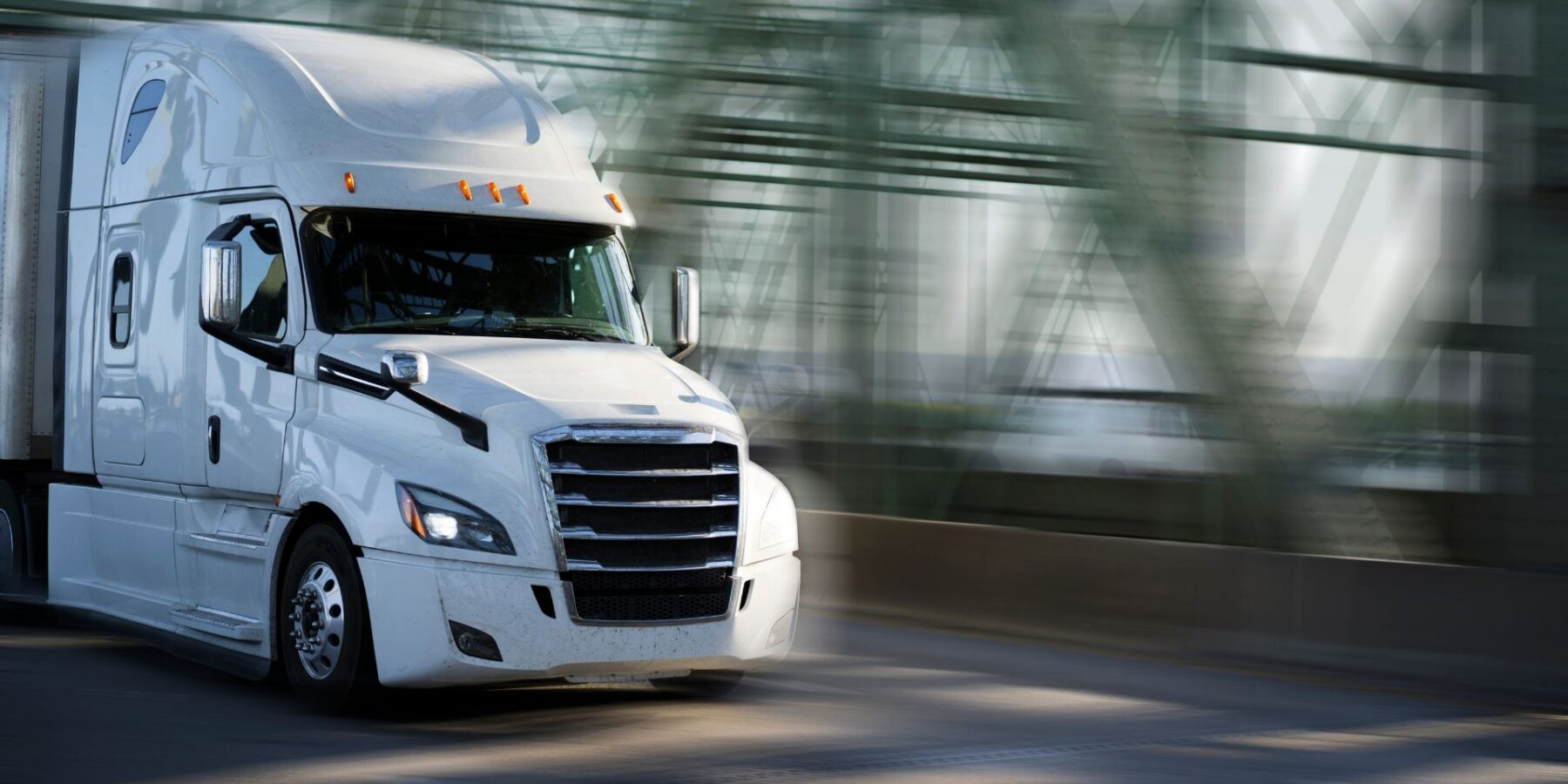
Big Rig Accident Lawyers in San Antonio
A crash with an 18-wheeler can change the direction of your life before traffic clears in San Antonio from the I-35, I-10, Loop 410, or Loop 1604. Big rigs carry far more weight than passenger vehicles, and that size often turns one driver’s mistake into a severe injury claim. Federal trucking data from the Federal Motor Carrier Safety Administration tracks fatal, injury, and property damage crashes involving large trucks and buses, which shows why these cases require more than a standard car accident approach. If you need big rig accident lawyers in San Antonio, Lopez Law Firm can review what happened, identify early evidence, and help protect your claim before the trucking company controls the story.
San Antonio drivers share the road with tractor-trailers near downtown, commercial hubs, construction zones, military routes, and long freight corridors. After a serious collision, the trucking company may send investigators, insurers, and claim representatives to work right away. That early response can shape fault arguments, witness statements, vehicle inspections, and settlement pressure. You deserve a legal team that acts with the same urgency and focuses on the facts that prove what caused the crash.
Lopez Law Firm represents injured people, not trucking companies or insurance carriers. Principal attorney Steven A. Lopez and attorney Genesis Salinas-Longoria understand how commercial vehicle claims can affect your medical care, your income, your family, and your future. We look at driver conduct, carrier safety practices, maintenance records, cargo issues, and insurance coverage. Call (210) 504-5222 today to speak with Lopez Law Firm about your San Antonio big rig accident claim and your next legal step.
Where Most San Antonio Big Rig Accidents Happen on Major Highways
San Antonio sits at the center of several major Texas freight routes, which means passenger vehicles constantly share the road with commercial trucks, fuel tankers, delivery fleets, and interstate tractor-trailers. Traffic congestion increases near downtown corridors, warehouse districts, military areas, and major highway interchanges. These conditions create a serious risk for crashes involving large commercial vehicles, especially during morning traffic, overnight shipping hours, and weekend travel periods. Big rig accident lawyers in San Antonio often investigate collisions that happen on I-35, I-10, Loop 410, Loop 1604, and I-37. Each roadway presents different traffic patterns, speed concerns, and commercial trucking risks. Lopez Law Firm reviews crash locations closely since roadway conditions, nearby businesses, traffic cameras, and construction zones can shape liability arguments and insurance disputes after a truck collision.
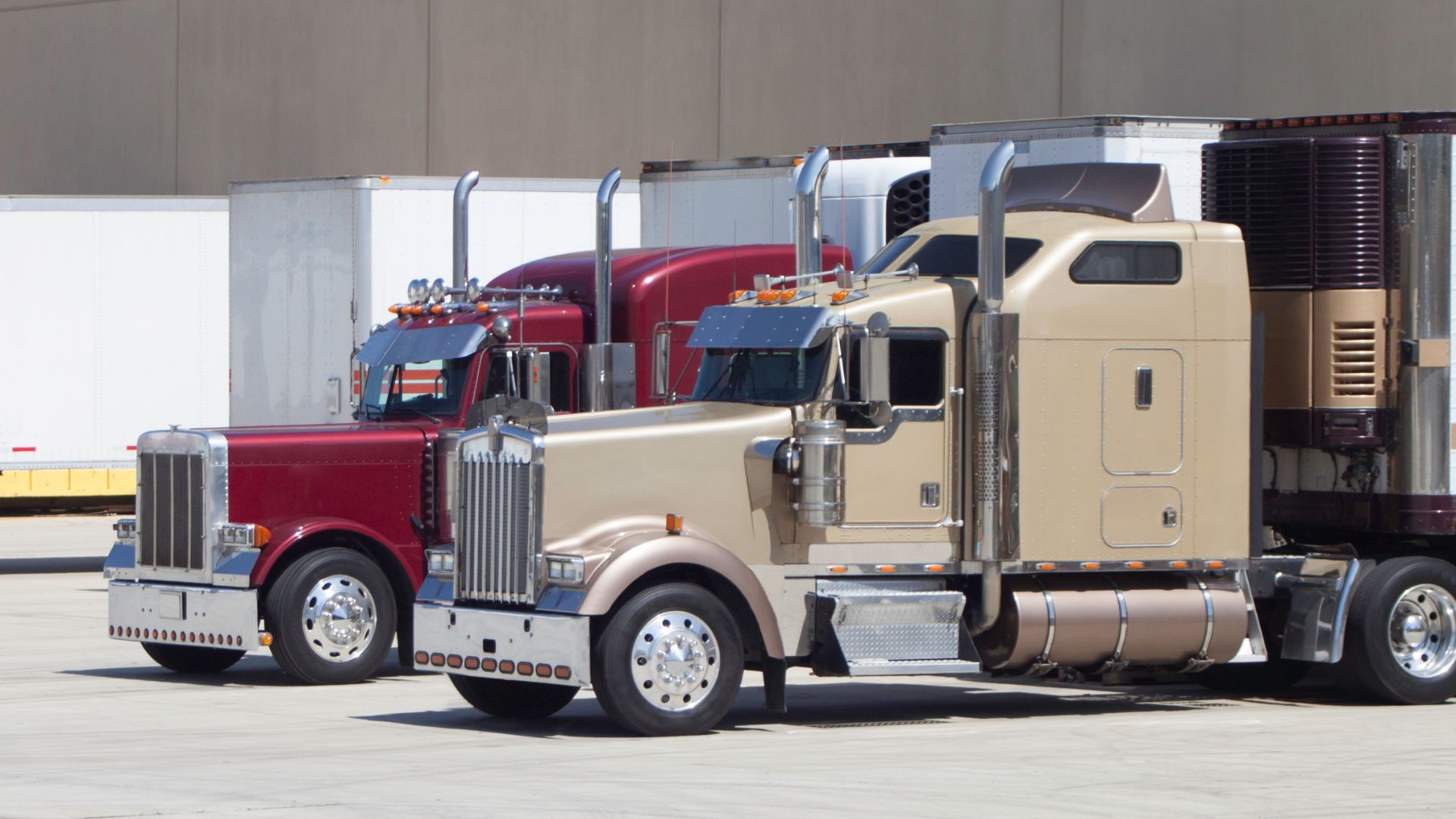
Why I-35 Creates Dangerous Conditions for San Antonio Big Rig Accidents
Interstate 35 remains one of the busiest commercial trucking routes in Texas. Freight carriers use this corridor to move cargo through San Antonio and connect shipments between South Texas, Austin, Dallas, and interstate routes outside Texas. Heavy truck volume creates constant pressure near exits, frontage roads, and merging lanes.
Traffic backups often stretch through Northeast San Antonio near Olympia Parkway, O’Connor Road, and downtown access points. Tractor-trailers moving through these areas must react quickly to changing traffic conditions. A delayed stop or unsafe lane change can trigger chain reaction collisions involving multiple vehicles.
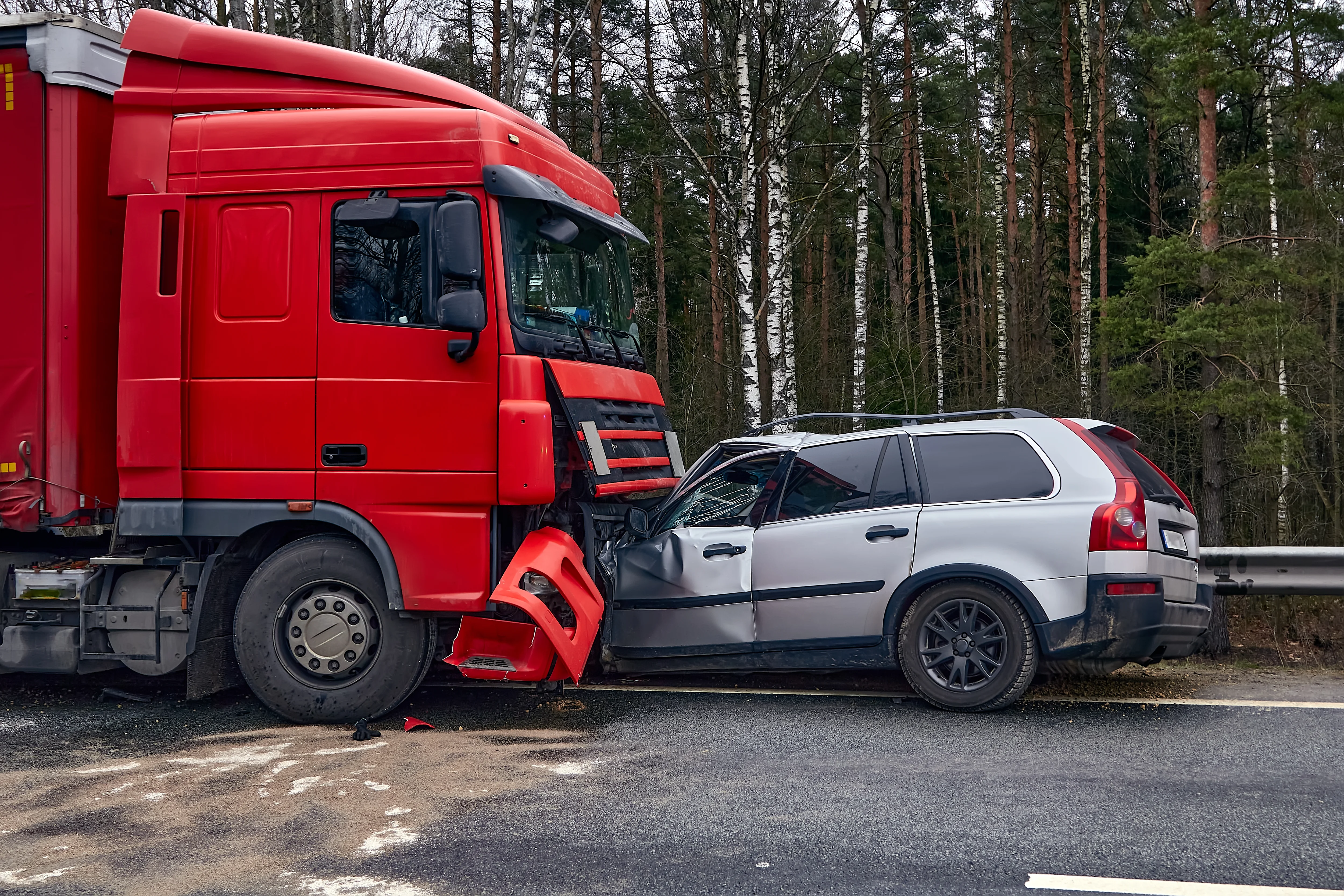
Drivers injured in I-35 truck accidents frequently deal with severe vehicle damage, emergency medical treatment, and long recovery periods. A crash involving a fully loaded commercial truck usually causes greater force than a standard passenger vehicle collision. Lopez Law Firm examines braking distance, driver speed, road positioning, and commercial vehicle weight to understand how the crash occurred.
How Downtown I-35 Traffic Impacts Truck Accident Investigations
Downtown San Antonio presents additional hazards for commercial truck traffic. Drivers must move through narrow traffic lanes, heavy congestion, construction activity, and sudden exit patterns. These conditions often increase the likelihood of rear-end crashes, underride collisions, and sideswipe accidents involving large trucks.
Big rig accident lawyers in San Antonio may investigate nearby traffic camera footage, roadway construction records, and nearby business surveillance systems after a downtown collision. Evidence from nearby intersections can show whether the truck driver followed traffic signals, reacted late to slowing vehicles, or crossed lanes without enough clearance.
Why Rush Hour Truck Traffic Increases Injury Risks Near Downtown
Morning and evening traffic periods create serious problems for large commercial vehicles traveling through downtown San Antonio. Passenger vehicles often stop suddenly near entrance ramps and lane transitions. Tractor-trailers require much more stopping distance, especially when carrying heavy cargo.
Truck drivers operating under delivery pressure may attempt unsafe lane changes or follow traffic too closely during congestion. Those decisions can cause major collisions involving several vehicles. Lopez Law Firm reviews electronic logging data, dispatch schedules, and driver activity when investigating whether trucking companies placed unrealistic demands on drivers moving through San Antonio traffic.
How I-10 Truck Traffic Leads to Major San Antonio Highway Collisions
Interstate 10 handles a large amount of eastbound and westbound commercial traffic every day. Tractor-trailers traveling through San Antonio often move near warehouse districts, construction corridors, and busy commuter traffic. Commercial trucks entering and exiting I-10 near W.W. White Road, Medical Drive, and downtown areas create additional risks for local drivers.
Truck accidents on I-10 frequently involve high-speed impacts. A speeding tractor-trailer may lose control during heavy traffic or strike slower vehicles near congestion zones. Weather conditions can worsen these situations quickly, especially during heavy rain or low visibility conditions common in South Texas.
Lopez Law Firm reviews roadway conditions, crash reports, and trucking company records after serious I-10 collisions. Big rig accident lawyers in San Antonio often investigate whether the truck driver violated federal driving limits or failed to adjust driving behavior for traffic and weather conditions.
Why I-10 Interchanges Create High Risk Truck Accident Areas
Highway interchanges create difficult driving conditions for large trucks moving through San Antonio. Commercial drivers must merge across several lanes within a short distance. Drivers who miss exits or react too late may force nearby vehicles into dangerous situations.
Trucking companies sometimes prioritize delivery schedules over safe route planning. Drivers under time pressure may attempt unsafe maneuvers near interchange areas. These decisions can create severe crashes involving passenger vehicles trapped beside or underneath large trailers.
How Commercial Truck Blind Spots Affect I-10 Injury Claims
Large commercial trucks create extensive blind spots along both sides of the trailer and directly behind the truck. Passenger vehicles traveling beside a trailer may disappear completely from the driver’s view. Unsafe lane changes often happen when truck drivers fail to check the surrounding traffic carefully.
Blind spot collisions on I-10 commonly lead to severe injuries near barriers, retaining walls, or heavy traffic areas. Lopez Law Firm may review dash camera footage, witness statements, and vehicle positioning to determine whether the truck driver checked mirrors properly before changing lanes.
Why Loop 410 Sees Frequent Commercial Truck Crashes
Loop 410 carries a combination of local traffic, industrial traffic, and commercial shipping vehicles throughout San Antonio. Drivers near the South Side, industrial districts, and Highway 90 connections regularly encounter large commercial trucks entering and exiting major freight routes.
Construction projects and lane restrictions increase collision risks throughout Loop 410 corridors. Tractor-trailers moving through narrowed lanes may struggle with visibility and spacing during traffic congestion. These conditions increase the likelihood of rollover accidents, jackknife crashes, and multi-vehicle collisions.
Big rig accident lawyers in San Antonio investigate whether trucking companies properly trained their drivers for urban highway conditions. A truck driver familiar with rural interstate driving may struggle with sharp traffic changes and dense congestion common throughout San Antonio loops.
How Loop 410 Construction Zones Affect Truck Accident Claims
Construction activity changes roadway conditions constantly throughout Loop 410. Temporary lane shifts, uneven pavement, narrowed shoulders, and reduced visibility create additional dangers for commercial trucks.
Truck drivers must reduce speed and maintain a safe following distance in construction areas. Drivers who fail to react appropriately can cause serious collisions involving nearby passenger vehicles. Lopez Law Firm investigates whether road conditions, warning signs, and trucking company conduct contributed to the crash.
Why Construction Zone Evidence Matters in San Antonio Truck Cases
Construction zone truck accident claims often involve unique evidence. Investigators may review lane closure plans, construction schedules, traffic control devices, and nearby surveillance footage. These details can help show whether the truck driver ignored reduced speed requirements or unsafe lane restrictions.
A trucking company may attempt to blame road conditions alone after a construction zone collision. Strong evidence can help establish whether driver conduct still played a major role in causing the crash.
How Loop 1604 Creates Serious Risks for San Antonio Drivers
Loop 1604 continues to expand alongside major residential and commercial growth throughout San Antonio. Heavy traffic near shopping areas, distribution centers, and residential developments creates constant interaction between passenger vehicles and commercial trucks.
Large trucks traveling through Loop 1604 often encounter abrupt traffic slowdowns and aggressive lane movement from surrounding vehicles. Drivers hauling oversized loads or commercial freight may struggle to react safely during heavy congestion periods.
Big rig accident lawyers in San Antonio often review truck maintenance records after Loop 1604 collisions. Brake failures, tire issues, and steering problems can become more dangerous during stop-and-go traffic conditions common along this route.
Why Truck Maintenance Problems Cause Dangerous Loop 1604 Crashes
Commercial trucks require regular inspections and maintenance under federal safety regulations. A poorly maintained tractor-trailer may experience tire blowouts, brake failure, steering problems, or lighting issues during highway travel.
Maintenance failures can create catastrophic crashes near crowded San Antonio traffic corridors. Lopez Law Firm may investigate inspection reports, repair records, and maintenance schedules to determine whether the trucking company ignored safety concerns before the crash occurred.
How Tire Blowouts Lead to Catastrophic Truck Accidents
A tire blowout involving a large commercial truck can create immediate danger across several lanes of traffic. The truck driver may lose control, jackknife the trailer, or push nearby vehicles off the roadway.
Debris from blown tires can strike nearby vehicles and create secondary collisions. These crashes often happen suddenly, leaving drivers with little time to react. Big rig accident lawyers in San Antonio examine maintenance practices and tire inspection records when evaluating liability after these collisions.
Why San Antonio Highway Locations Shape Truck Accident Claims
The roadway where a truck accident happens often influences how the entire claim develops. A crash near a warehouse district may involve cargo deadlines and delivery pressure. A collision near downtown may involve traffic congestion and lane confusion. A wreck in a construction zone may involve narrowed lanes and reduced reaction time.
Lopez Law Firm uses roadway evidence, trucking records, and crash scene details to build claims connected to the realities of San Antonio traffic conditions. Principal attorney Steven A. Lopez and attorney Genesis Salinas-Longoria understand how commercial truck crashes differ from ordinary car accidents. Their investigation may focus on trucking company practices, driver conduct, federal safety rules, and highway conditions that contributed to the collision.
What Big Rig Accident Lawyers in San Antonio Do After a Truck Crash
A major truck collision in San Antonio often sets several investigations in motion on the same day. The trucking company may dispatch investigators before damaged vehicles leave the highway. Insurance representatives may contact injured drivers within hours. Meanwhile, electronic driving data, traffic footage, and nearby surveillance recordings may already face deletion or overwriting. These early moments can shape the direction of the entire claim.
Big rig accident lawyers in San Antonio approach these cases differently than ordinary traffic collisions. Commercial truck crashes often involve federal trucking rules, company safety records, cargo documentation, and onboard electronic systems. Lopez Law Firm reviews how the crash happened from multiple angles, including roadway conditions, truck movement, driver activity, maintenance history, and company oversight practices.
Truck accident investigations become especially important in San Antonio due to the city’s role as a major freight corridor. Interstate traffic flowing through I-35, I-10, Loop 410, and Loop 1604 creates constant interaction between commercial carriers and local drivers. A crash near one of these corridors may involve long-haul trucking schedules, overnight delivery routes, warehouse traffic, or overloaded trailers moving through crowded highway systems.
Why Early Evidence Collection Changes Truck Accident Cases
Evidence connected to a truck crash can disappear much faster than many injured drivers realize. Commercial vehicles often return to service quickly after inspections. Electronic systems may overwrite driving data automatically. Nearby businesses may delete surveillance footage within days. Witnesses may remember fewer details once traffic clears and time passes.
Big rig accident lawyers in San Antonio often begin by examining crash scene photographs, roadway markings, vehicle positioning, debris patterns, and police reports. A truck collision involving several vehicles may leave behind evidence that helps explain how the impact sequence developed. Tire marks can show delayed braking. Crushed barriers can reveal steering direction. Trailer damage may help identify whether cargo shifted before impact.
Lopez Law Firm reviews these details carefully since truck accident claims often involve disputed fault arguments. Insurance companies may attempt to frame the collision as a sudden traffic event rather than the result of unsafe commercial driving conduct.
How Highway Design Affects Truck Accident Investigations
San Antonio highways create unique driving pressures for commercial truck drivers. Interstate connectors near downtown force large trucks into compressed traffic patterns with limited room for correction. Drivers moving from I-35 toward Loop 410 or I-10 may cross several lanes within a short distance.
Truck accident investigations often focus on these roadway transitions. A truck driver who reacts late to an exit may attempt an unsafe merge or sudden lane shift. These decisions can trap nearby passenger vehicles between commercial trailers and surrounding traffic barriers.
Investigators may examine roadway geometry, lane widths, construction patterns, and traffic congestion conditions when evaluating whether the truck driver responded safely to the environment. A collision near a narrow interchange may reveal different contributing factors than a crash on an open interstate corridor outside the city center.
Why Construction Activity Creates Complicated Truck Crash Cases
Construction zones across San Antonio continue to reshape major traffic routes, especially along Loop 1604 and interstate expansion projects. Temporary lane shifts and reduced shoulders can create difficult driving conditions for large commercial trucks.
Truck drivers traveling through construction corridors must adjust speed and following distance carefully. A fully loaded tractor-trailer entering narrowed traffic lanes requires more space to stop and maneuver safely. Investigations involving construction zones may focus on traffic control devices, lane closure timing, visibility conditions, and truck positioning before the collision occurred.
How Big Rig Accident Lawyers in San Antonio Analyze Driver Conduct
Commercial truck drivers operate under stricter safety obligations than ordinary motorists. Federal rules regulate driving hours, inspection duties, vehicle operation, and driver qualifications. A serious truck crash investigation often begins with the driver’s actions before impact.
Big rig accident lawyers in San Antonio may review electronic logging records, dispatch communication, toll receipts, fuel purchases, and driver schedules. These records can reveal whether fatigue, distraction, or delivery pressure contributed to the collision.
Truck drivers entering San Antonio after long interstate routes may already face exhaustion before reaching heavy urban traffic. A fatigued driver moving through downtown congestion may fail to react to slowing traffic or changing roadway conditions. Fatigue-related crashes often involve delayed braking, lane drift, or rear-end impacts involving several vehicles.
Why Driver Training Records Matter After a Commercial Truck Crash
Trucking companies must evaluate driver qualifications before placing operators on Texas highways. A driver operating a commercial vehicle through San Antonio should understand urban traffic patterns, lane management, and heavy congestion conditions.
Training records may reveal whether the trucking company properly prepared the driver for crowded interstate systems and construction corridors. A driver inexperienced with downtown freight traffic may struggle with blind spots, merge timing, and trailer positioning during heavy congestion.
Truck accident investigations sometimes uncover repeated driving violations, prior crashes, or unsafe conduct involving the same driver. These findings may affect how responsibility develops within the injury claim.
How Delivery Pressure Influences Unsafe Truck Driving Decisions
Commercial trucking schedules often place drivers under strict delivery expectations. A driver attempting to recover lost time may speed, skip rest periods, or make aggressive lane changes through San Antonio traffic.
Investigators may examine dispatch instructions, route deadlines, and communication records when evaluating company pressure on drivers. Delivery expectations that ignore realistic traffic conditions can contribute directly to unsafe driving behavior.
Why Truck Maintenance Records Become Critical Evidence
Commercial trucks travel thousands of miles under heavy operating conditions every week. Brake systems, steering components, tires, lighting systems, and trailer connections require constant inspection and repair. Mechanical failures involving large trucks can create catastrophic highway collisions within seconds.
Big rig accident lawyers in San Antonio review maintenance records carefully after serious truck crashes. Inspection reports may reveal repeated brake concerns, worn tires, delayed repairs, or incomplete maintenance work. A tire blowout near Loop 410 or brake failure approaching downtown traffic can create severe multi-vehicle collisions.
Maintenance investigations often focus on whether the trucking company ignored warning signs before placing the truck back into service. A truck operating with known mechanical concerns may place everyone sharing the road at risk.
How Brake Problems Lead to Serious San Antonio Truck Collisions
Commercial truck braking systems carry enormous stress during interstate travel. Heavy cargo loads, traffic congestion, and stop-and-go highway movement place constant pressure on braking components.
Brake failures often appear during high-pressure driving situations near interchanges, construction zones, and traffic backups. A fully loaded truck unable to stop safely may strike several vehicles before coming to rest.
Investigators may examine brake adjustment records, inspection histories, and repair invoices after the crash. These records can reveal whether maintenance shortcuts contributed to the collision.
Why Tire Failures Create Dangerous Highway Conditions
Commercial truck tire failures often happen suddenly at highway speeds. A front tire blowout may pull the truck violently across lanes. Trailer tire failures can create flying debris and destabilize the trailer itself.
Truck accident investigations involving blowouts may focus on tread wear, tire age, inflation records, and inspection practices. Poor tire maintenance can create serious dangers for drivers traveling beside or behind large commercial vehicles.
How Big Rig Accident Lawyers in San Antonio Review Electronic Truck Data
Modern commercial trucks contain electronic systems that record driving activity before a collision occurs. These systems may capture vehicle speed, braking input, throttle activity, steering movement, and engine operation data.
Electronic evidence often becomes one of the most important parts of a truck accident investigation. A truck’s onboard systems may show whether the driver braked too late, accelerated before impact, or exceeded safe operating speed.
Lopez Law Firm reviews electronic driving records closely after serious truck crashes. This information can help connect the physical crash scene with the truck driver’s actions moments before impact.
Why Black Box Data Can Contradict Insurance Company Arguments
Insurance carriers sometimes describe truck accidents as unavoidable traffic events caused by sudden roadway conditions. Electronic truck data may reveal a different sequence of events.
A truck’s onboard systems may show delayed braking, excessive speed, or unsafe acceleration before impact. These details can become important when insurers dispute fault or attempt to shift blame onto injured drivers.
Truck accident investigations involving electronic evidence often require quick action. Some systems overwrite older information during normal truck operations, which makes early evidence preservation especially important.
How Dash Camera Footage Can Strengthen Truck Injury Claims
Many commercial trucks now operate with inward and outward-facing cameras. These systems may record traffic movement, driver behavior, weather conditions, and roadway visibility before the crash. Dash camera footage can help explain lane positioning, braking activity, and surrounding traffic conditions. Video evidence may also reveal distracted driving behavior or unsafe maneuvering before the impact occurred.
Why Medical Documentation Matters in Truck Accident Cases
Truck collisions often produce injuries that continue developing long after emergency treatment ends. A driver involved in a commercial truck crash may experience worsening pain, neurological symptoms, mobility limitations, or orthopedic complications over time.
Big rig accident lawyers in San Antonio review treatment progression carefully when evaluating injury claims. Emergency room evaluations, imaging studies, surgical records, rehabilitation notes, and specialist reports can help explain how the collision affected the injured person physically and financially.
Medical documentation becomes especially important in truck crashes involving traumatic brain injuries, spinal injuries, fractures, and long-term rehabilitation needs. Commercial truck impacts often create greater force than ordinary vehicle collisions, which can lead to more extensive treatment requirements.
Why Delayed Symptoms Frequently Appear After Truck Collisions
Some injuries become more noticeable after the initial shock of the collision fades. Neck injuries, back injuries, and neurological symptoms may worsen gradually over several days.
Drivers injured in truck crashes sometimes attempt to continue daily routines before realizing the full extent of their condition. Medical evaluations help document how symptoms developed after the collision and connect those injuries directly to the crash itself.
How Long-Term Treatment Shapes Commercial Truck Injury Claims
Serious truck accident injuries may require surgeries, rehabilitation programs, pain management treatment, and extended physical therapy. Some injured drivers may face work restrictions or reduced physical capacity long after the collision occurred.
Truck injury investigations often consider future treatment needs alongside current medical expenses. These cases frequently involve broader physical recovery concerns than standard passenger vehicle collisions.
Why Direct Attorney Involvement Matters After a Truck Accident
Truck accident cases move quickly once insurers and trucking companies begin reviewing the crash. Evidence preservation, injury documentation, and investigation timing can all affect how the claim develops.
Lopez Law Firm handles truck accident investigations with direct attorney involvement tied specifically to commercial vehicle crashes in San Antonio. Principal attorney Steven A. Lopez and attorney Genesis Salinas-Longoria review roadway evidence, trucking records, injury documentation, and company conduct carefully when evaluating these claims. Their approach focuses on how local highway conditions, interstate freight traffic, and commercial driving practices contributed to the collision.
Why Clients Contact Lopez Law Firm After Serious Truck Accidents – Call us Today for a Free Case Review
A commercial truck collision can leave San Antonio drivers facing medical care, vehicle loss, missed work, and early pressure from insurance companies. Big rig accident lawyers in San Antonio review these claims carefully because trucking cases often involve driver records, black box data, maintenance history, and federal safety rules.
Lopez Law Firm investigates how the crash happened and how the injuries affect the client’s daily life. Principal attorney Steven A. Lopez and attorney Genesis Salinas-Longoria review trucking records, driver conduct, insurance positions, and medical documentation connected to the collision.
Lopez Law Firm handles claims involving tractor-trailers, commercial delivery vehicles, and interstate freight carriers across San Antonio. To speak with Lopez Law Firm, call (210) 504-5222 or contact us today.
Practice Areas
Trust Us With Your Personal Injury Claim
If you or a loved one have been injured, Lopez Law Firm will fight for you every step of the way. We will give our all to secure the compensation you rightfully deserve.





Contact usfor a free consultation.
Phone: (210) 504-5222