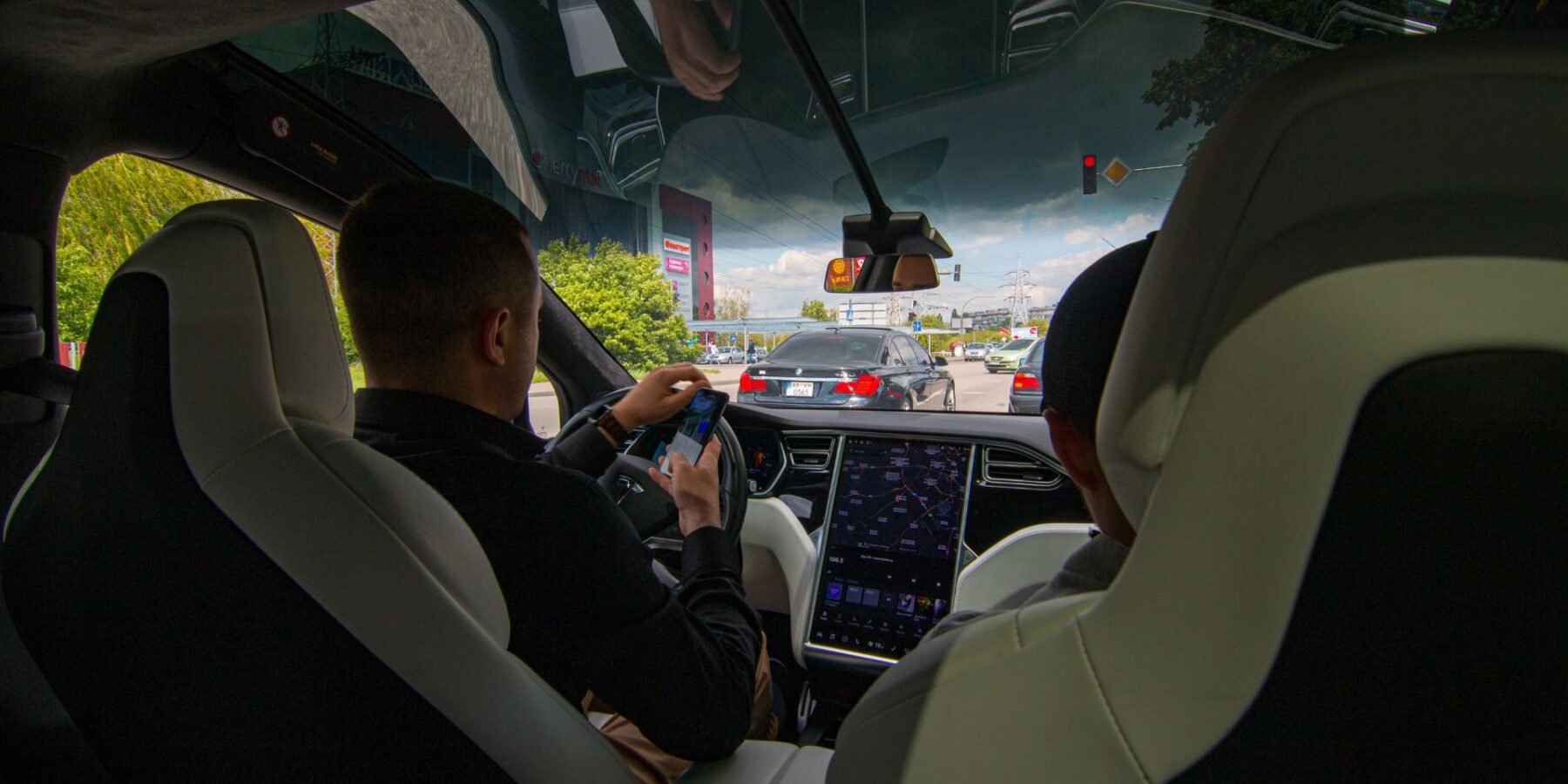
Rideshare Accident Attorneys in San Antonio
A rideshare crash can become confusing fast because the insurance coverage may depend on what the driver was doing on the app at the moment of impact. A passenger already in the car, a driver waiting for a request, and a driver heading to pick someone up can all create different claim issues. Rideshare accident attorneys in San Antonio can help sort out those details while you focus on your injuries and getting back into your regular routine from before the accident.
Lopez Law Firm helps people injured in Uber and Lyft accidents understand which insurance policy may apply and how the claim should move forward. Our firm looks at the app status, trip records, driver conduct, injuries, and financial losses before an insurer tries to narrow the claim and low-ball a settlement offer. Call Lopez Law Firm today at (210) 504-5222 for a free consultation from our rideshare accident attorneys in San Antonio who can help protect your rideshare claim.
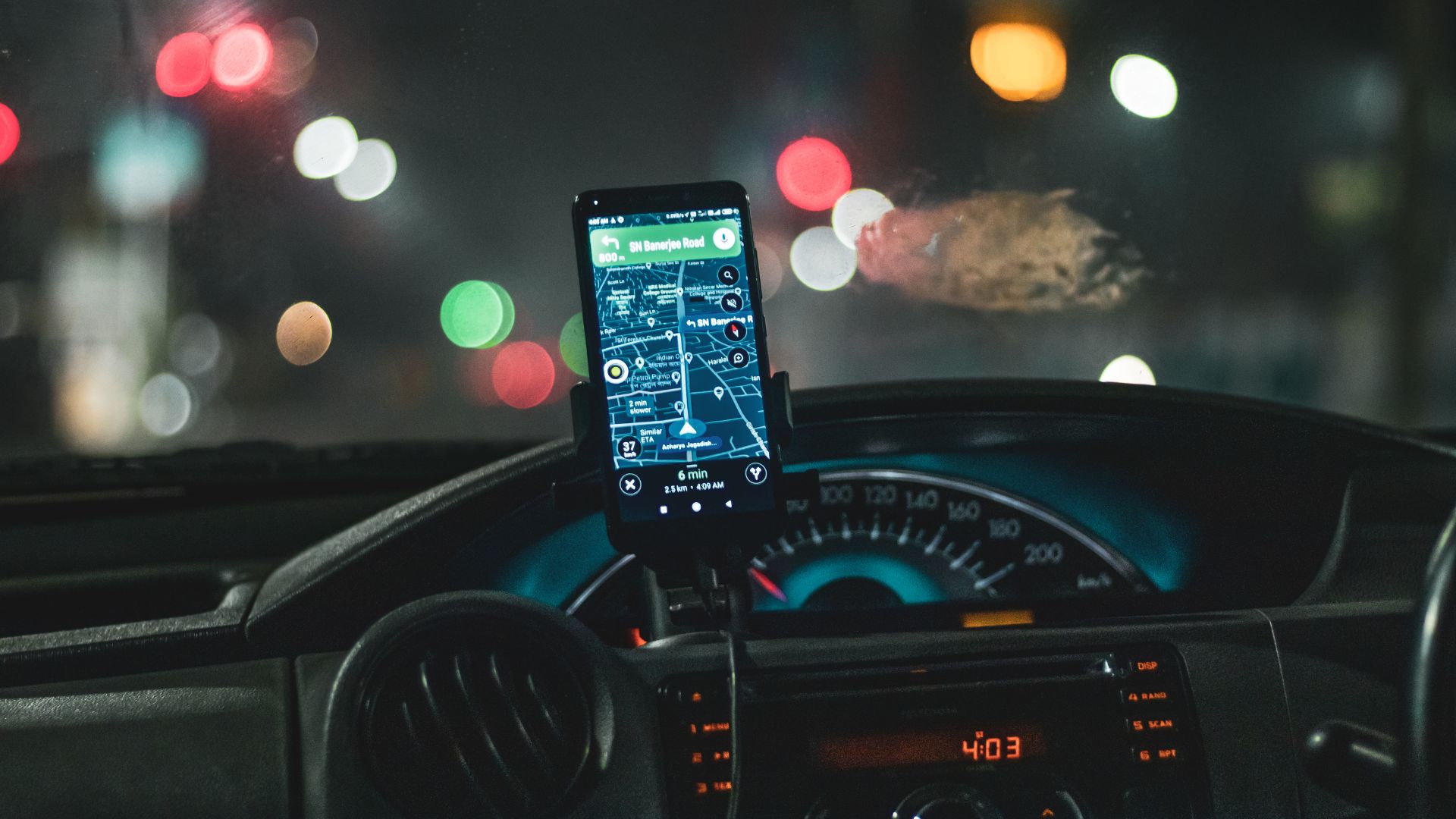
Steps To Follow After A Rideshare Crash In San Antonio
A rideshare crash has details that can disappear inside the app, the vehicle, and the insurance process if you wait too long. Rideshare accident attorneys in San Antonio at Lopez Law Firm can help you protect trip information, driver details, medical records, and coverage facts before different insurers begin pointing responsibility elsewhere. The first steps should focus on safety, documentation, and avoiding statements that create confusion later. Uber and Lyft claims can change depending on what the driver was doing when the crash happened. That makes early organization especially important.
The right steps after a rideshare accident depend on your role in the crash. You may be an injured passenger, a rideshare driver, another motorist, a pedestrian, or a cyclist hit by an app-based driver. Each role can affect which insurance policy may apply and what information should be saved. Rideshare accident attorneys in San Antonio can help identify the path that fits your situation before the claim becomes harder to manage. A rideshare claim should begin with facts that show where the trip stood at impact.
Checking The Driver’s App Status Right Away
App status can affect which insurance coverage may apply after an Uber or Lyft crash. A driver who is logged out, waiting for a ride request, driving to a pickup, or transporting a passenger may fall under different claim rules. The app status can also help show whether the crash involved personal driving or rideshare activity. Screenshots, trip receipts, pickup details, and ride history can help preserve that information before it becomes harder to access. Rideshare crash claims often begin with this question because coverage can depend on the answer.
Logged In Status Can Affect Coverage
A logged in driver may trigger different insurance questions than a driver using the vehicle for personal errands. Coverage can change again once the driver accepts a ride or begins transporting a passenger. Those timing details should be saved before anyone disputes the trip stage.
Ride Stage Details Should Be Preserved
Ride stage details may show whether the driver was waiting, traveling to pickup, or carrying a passenger. These facts can help identify which insurer should respond to the claim. Preserving them early can prevent coverage confusion later.
Reporting The Crash Inside The Rideshare App
Reporting the crash through the rideshare app can create a record with the platform. The report may connect the collision to a specific trip, driver, passenger, time, and route. This step does not replace medical care or a legal claim, but it can help establish that the crash happened during rideshare activity. Injured passengers and drivers should avoid guessing or minimizing injuries when submitting information. A short, accurate report can protect important trip details without creating unnecessary confusion.
App Reports Can Support The Claim Timeline
An app report may help connect the crash to the trip record. It can also document when the platform first received notice of the collision. That timeline may matter when insurers question coverage or reporting delays.
Short Reports Should Stay Accurate
A crash report should be direct, truthful, and limited to what you know. Guessing about fault or injuries can create problems when more information appears later. Accurate reporting helps preserve the claim without overexplaining.
Saving Trip Screenshots And Driver Details
Trip screenshots can preserve information that may not stay visible forever. Useful details may include the driver’s name, vehicle description, license plate, pickup location, drop-off location, trip receipt, route information, and ride time. A passenger may also save messages with the driver or platform if those messages relate to the crash. This information can help connect the collision to a specific rideshare trip. Rideshare accident attorneys in San Antonio can use these details when sorting out coverage and responsibility.
Driver Information Can Identify The Right Claim
Driver details help connect the vehicle, app activity, and insurance coverage. The driver’s name, license plate, and vehicle information can prevent confusion when multiple insurers become involved. Accurate information can keep the claim pointed toward the correct policy.
Screenshots Can Prevent Missing Information
Screenshots can capture ride details before an app changes what you can view. Receipts, route maps, and driver profiles may become harder to locate later. Saving them early gives the claim a clearer starting point.
Getting Medical Care After An Uber Or Lyft Crash
Medical care matters after a rideshare crash because symptoms may not match how you feel at the scene. Pain, dizziness, headaches, stiffness, anxiety, and mobility problems can develop after the initial shock fades. A medical evaluation can identify injuries, start treatment, and create records that connect your condition to the collision. Uber and Lyft insurers may question injuries when there is no early medical documentation. Getting care protects both your health and your claim.
Symptoms May Appear After The Ride Ends
Some injuries become noticeable after adrenaline wears off. Neck pain, back pain, headaches, nausea, and soreness can increase during the hours after the crash. Medical attention helps document those symptoms before the insurer questions the delay.
Treatment Records Can Connect The Crash
Treatment records can show what symptoms appeared and what care was recommended. They can also document work restrictions, referrals, imaging, and follow-up needs. Those records help explain why the rideshare crash caused real harm.
Avoiding Early Insurance Calls Before You Understand Coverage
Insurance calls after a rideshare crash can be confusing because more than one policy may be involved. A personal auto insurer, rideshare insurer, third-party insurer, or platform-related representative may ask for information before coverage is clear. Early statements about fault, injuries, or app status can create problems when the claim develops. You do not need to guess about coverage or accept pressure to answer quickly. Rideshare accident attorneys in San Antonio can help you respond without giving insurers unnecessary room to dispute the claim.
Multiple Insurers Can Create Confusion
Different insurers may contact you with different questions after the same crash. Each company may be trying to limit its own responsibility. Understanding which policy applies can prevent mistakes during early communication.
Recorded Statements Should Wait
Recorded statements can lock you into answers before you understand the claim. That risk grows when injuries develop or coverage facts change later. Legal review can help you avoid statements that create avoidable disputes.
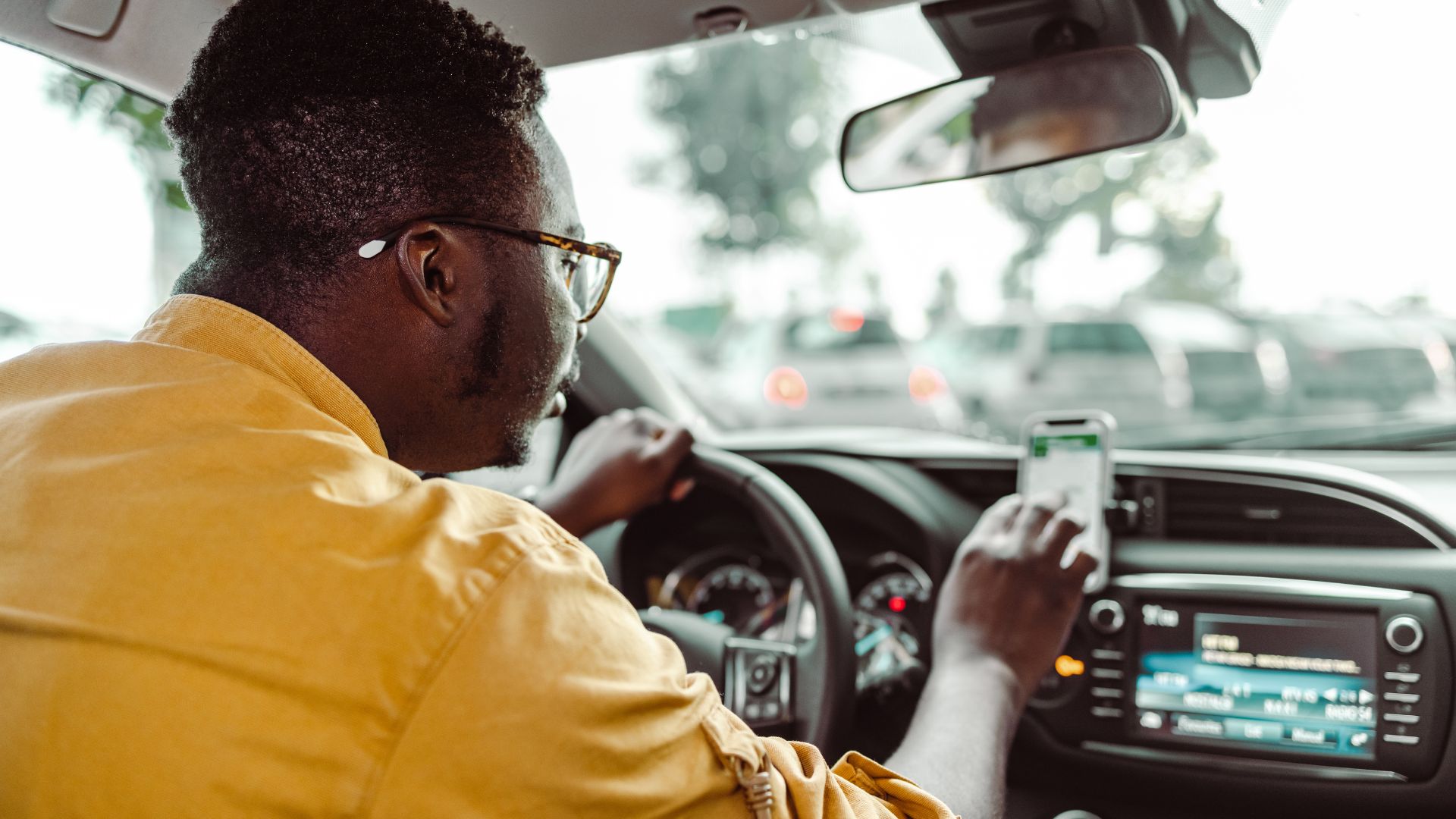
How App Status Affects Liability in San Antonio Rideshare Accidents
Liability in a rideshare crash often depends on the driver’s exact activity inside the app. Rideshare accident attorneys in San Antonio can review whether the driver was logged out, waiting for a request, traveling to a pickup, or carrying a passenger when the collision happened. That status can affect which insurance policy may respond and which company may dispute payment. Uber and Lyft claims can become confusing when personal coverage and rideshare coverage overlap. The app timeline can become one of the most important parts of the claim.
Different app stages can create different insurance questions after the same type of crash. A driver using the vehicle for personal reasons may create one path, while an active passenger trip may create another. Rideshare accident attorneys in San Antonio can help sort through those stages before an insurer gives you an answer that protects its own position. The injured person should not have to guess which policy applies while dealing with pain, missed work, and vehicle damage. Coverage should be reviewed through the facts of the ride.
Logged Out Drivers And Personal Insurance Coverage
A logged out driver is usually not acting as a rideshare driver at that moment. The crash may be handled more like a standard personal auto claim when the app was not active. That distinction matters because the rideshare company may deny involvement if the driver was not available for rides. Injured people still need to confirm the driver’s status instead of relying only on what the driver says. A claim can move in the wrong direction when app activity is assumed instead of verified.
Personal Auto Policies May Control The Claim
Personal insurance may become the main coverage source when the driver was logged out. That insurer may still question fault, injuries, damages, and policy limits. Verifying app status helps prevent wasted time with the wrong coverage path.
Driver Statements Need App Confirmation
A driver may misunderstand or misstate whether the app was active. Screenshots, trip records, and platform responses can help confirm the real status. The claim should rely on proof instead of memory alone.
Waiting For Ride Requests During App Use
A driver who is logged in and waiting for a request may fall into a different coverage situation than someone carrying a passenger. This period can create disputes because the driver was available for rides but had not accepted one yet. Insurers may disagree over whether personal coverage or rideshare coverage should respond. The timing of the login, crash, and app activity becomes important in this stage. Rideshare accident attorneys in San Antonio can help review those facts before coverage disputes delay the claim.
Available Status Can Create Insurance Disputes
Available status means the driver may be working through the app without an active trip. That gray area can lead insurers to argue over responsibility for payment. Clear app records can help identify the correct coverage position.
Timing Details Can Affect Coverage
The moment the driver logged in can matter when deciding coverage. The crash time, app status, and ride request history should be compared closely. Small timing differences can change how the claim proceeds.
Accepted Rides And Pickup Route Coverage
An accepted ride can change the claim because the driver has moved from waiting into an active rideshare assignment. The driver may be heading to pick up a passenger when the crash happens. This stage can involve different coverage than personal driving or simple app availability. Injured motorists, pedestrians, cyclists, or rideshare passengers may need to show that the ride had already been accepted. The pickup route can connect the crash to rideshare activity.
Accepted Trips Can Trigger Different Coverage
A ride acceptance can show the driver was actively working through the platform. Coverage questions may shift once the driver begins traveling toward the passenger. Trip records can help prove the accepted ride existed before the collision.
Pickup Routes Should Be Verified
Pickup routes can show where the driver was supposed to go after accepting the ride. Those details may support the connection between the crash and app-based driving. Route information can prevent an insurer from treating the crash like personal travel.
Passenger Trips With Active Rideshare Coverage
A passenger trip can present the clearest rideshare connection because the driver is actively transporting someone through the platform. Even then, disputes can still arise over fault, injury value, and policy responsibilities. A passenger may need to document the ride, the crash, the driver, and any injuries before the trip record becomes harder to access. Other motorists hurt by the rideshare vehicle may also need proof that a passenger trip was active. Active trip status can make insurance review more focused, but it does not eliminate claim disputes.
Active Trips Can Support Coverage Arguments
An active trip can help show the crash happened during rideshare service. That status may identify rideshare coverage that differs from the driver’s personal policy. The trip receipt and app record can become important proof.
Passengers Should Save Ride Records
Passengers should save receipts, route maps, driver details, and platform messages after the crash. Those records can show the ride was active and identify the vehicle involved. Preserved app information can reduce confusion during the claim.

Evidence Rideshare Accident Attorneys In San Antonio Use To Build A Claim
Rideshare evidence can come from places that do not exist in an ordinary crash claim. Rideshare accident attorneys in San Antonio may review app receipts, route records, driver profiles, platform messages, vehicle photos, and medical documentation to connect the crash to the correct claim path. The strongest evidence often shows what the app displayed, who was driving, where the trip stood, and how the collision affected the injured person. Uber and Lyft claims can become harder when those digital details are missing. A rideshare claim needs proof that explains both the trip and the injury.
Evidence also helps prevent insurers from separating the crash from the ride details that make the claim different. A passenger may have trip information on their phone, while a driver may have app notifications, messages, or route data. Rideshare accident attorneys in San Antonio can use those details to support coverage, fault, and damages without relying only on memory. The goal is to build a claim that shows what happened before the ride record becomes difficult to access. Strong documentation can keep the claim from turning into a coverage dispute.
Trip Receipts And App Records From The Ride
Trip receipts can show the date, time, driver, vehicle, pickup point, drop-off point, route, fare, and ride status connected to the crash. These records may help prove that the collision happened during an active Uber or Lyft trip. App records can also show whether the driver had accepted a ride, started the trip, or completed it before the collision. That information can affect which insurance coverage applies and how the claim should be presented. Trip records give the claim a digital foundation that insurers may find harder to dispute.
Ride Receipts Can Show Active Trip Details
A ride receipt can connect the injured passenger to a specific driver and vehicle. It may also show timing, route information, fare details, and trip completion status. Those details help establish the rideshare connection without depending only on verbal statements.
Route Records Can Clarify The Crash Timeline
Route records can show where the vehicle was traveling before the collision. They may help compare the ride path with the crash location and driver’s explanation. A clear timeline can reduce confusion when coverage questions arise.
Driver Profiles And Vehicle Information In The App
Driver and vehicle details can become important when several insurers or parties become involved after a rideshare crash. The app may show the driver’s name, photo, vehicle make, model, color, license plate, and rating information. Those details help identify the correct driver and reduce confusion when the crash report contains incomplete information. Vehicle information can also help match the rideshare record to photos, repair documents, and insurance records. Saving this information early can make the claim easier to organize.
App Profiles Help Identify The Driver
An app profile can confirm the person assigned to the ride. That matters when a passenger did not know the driver before the crash. Accurate identification helps connect the collision to the correct rideshare account.
Vehicle Details Can Prevent Claim Confusion
Vehicle details can confirm the car involved in the crash. The license plate, color, and model can help match app data with police and insurance records. This information can prevent delays when insurers question the vehicle connection.
Platform Messages After The Uber Or Lyft Crash
Messages through the rideshare platform can show when the crash was reported and how the company responded. These communications may include support tickets, safety reports, claim notices, driver messages, passenger updates, or requests for more information. A platform message can help show that the crash was connected to a rideshare trip and that the company received notice. These records may also reveal inconsistencies if the platform later disputes timing or trip status. Messages should be saved before they become difficult to locate inside the app.
Support Messages Can Document Early Notice
Support messages can show when the rideshare company first learned about the crash. They may also confirm the trip, driver, or passenger involved in the report. Early notice can matter when coverage or claim timing becomes disputed.
Platform Responses Should Be Preserved
Platform responses may contain claim numbers, instructions, safety updates, or insurance contact information. Those details can help track which company or representative handled the report. Preserving responses can prevent important information from being lost inside the app.
Photos And Video From The Rideshare Collision
Photos and video can explain the crash in ways app records cannot. Pictures of vehicle damage, seat positions, visible injuries, road conditions, debris, license plates, and rideshare identifiers can help support the claim. Video from dashcams, nearby buildings, or other vehicles may show movement before impact and help resolve fault disputes. This evidence can also help compare the physical crash scene to the route shown in app records. Rideshare accident attorneys in San Antonio can use visual evidence to connect the digital ride details with what happened on the road.
Vehicle Photos Can Support Fault Details
Vehicle photos can show damage location, impact direction, and the force involved in the crash. They may also confirm which vehicle was tied to the rideshare trip. Clear photos can help challenge an insurer’s incomplete version of the collision.
Video Evidence Can Show Driver Movement
Video can show braking, turning, lane movement, speed, or sudden impact more clearly than written statements. That footage may become unavailable quickly if no one requests it. Preserving video early can strengthen the claim before disputes develop.

Financial Recovery After An Uber Or Lyft Accident In San Antonio
Financial recovery after a rideshare crash can depend on the injuries, the role you had in the trip, and the insurance coverage available at the time of impact. Rideshare accident attorneys in San Antonio can review medical expenses, missed income, out of pocket costs, and daily disruption tied to the collision. An Uber or Lyft accident may leave passengers, drivers, pedestrians, cyclists, or occupants of another vehicle dealing with different losses. The claim should explain how the crash affected your money, your health, and your ability to manage normal routines. Recovery should reflect the actual damage, not the easiest number an insurer wants to discuss.
Rideshare claims can become frustrating when different insurers disagree about who should pay. Medical bills may arrive before coverage is clear, and missed work can create pressure before settlement talks begin. Rideshare accident attorneys in San Antonio can help organize the losses into a demand that shows what the crash has cost you. That matters when an insurer tries to separate the injury from the rideshare trip or reduce damages too early. A complete financial review helps protect the value of your claim.
Medical Costs After A Rideshare Passenger Injury
Medical costs after a rideshare crash may include emergency care, diagnostic testing, physical therapy, medication, specialist visits, and follow-up appointments. A passenger injury can feel especially stressful because the person hurt was not controlling the vehicle or the app. Treatment may continue while insurers are still reviewing app status, driver conduct, and available coverage. Medical bills should be connected to the crash through records that show symptoms, treatment needs, and recovery progress. A strong claim explains why each medical expense belongs in the compensation demand.
Treatment Bills Can Arrive Before Coverage Clears
Medical providers may send bills before the rideshare insurer accepts responsibility. That timing can create stress when you are still waiting for coverage answers. The claim should track each bill carefully from the beginning.
Passenger Injuries Need Specific Documentation
Passenger injuries should be documented through medical notes, imaging, prescriptions, and follow-up recommendations. These records help show that the crash caused real physical harm. Strong documentation can prevent insurers from minimizing the injury.
Lost Income When A Rideshare Crash Interrupts Work
A rideshare accident can interrupt work when pain, appointments, medication, or mobility problems make regular duties difficult. A passenger may miss shifts after being hurt during a trip, while a rideshare driver may lose income because the vehicle cannot be used safely. Other injured people may face reduced hours, missed overtime, or work restrictions that affect household stability. Wage records, employer notes, rideshare earnings summaries, and medical restrictions can help show the financial loss. Income recovery should reflect the real work interruption caused by the crash.
Missed Shifts Can Create Fast Pressure
Lost work time can affect rent, utilities, childcare, groceries, and medical expenses. That pressure can make early settlement offers feel more tempting than they should. Wage proof helps show why the loss deserves compensation.
Driver Earnings May Need App Records
A rideshare driver may need app earnings records to prove lost income. Trip history, weekly summaries, and vehicle repair delays can show how the crash affected work. Those records can support income loss when traditional pay stubs do not exist.
Out Of Pocket Costs Caused By The Collision
Out of pocket costs can build quickly after an Uber or Lyft accident. Injured people may pay for rides, prescriptions, medical equipment, parking, childcare, vehicle towing, replacement personal items, or help at home. These smaller expenses may not seem important alone, but together they can show how disruptive the crash became. Receipts, bank records, app charges, and written notes can help preserve those losses. A claim should not ignore money spent because the crash made ordinary life harder.
Transportation Costs Can Increase After The Crash
Transportation costs may increase when injuries or vehicle damage make normal travel difficult. Rides, rental vehicles, appointment travel, and parking can become repeated expenses. These costs should be saved and reviewed before settlement discussions.
Receipts Can Protect Smaller Losses
Receipts help prove expenses that might otherwise be forgotten. Small costs can add up across weeks of appointments and recovery needs. Saving proof can make the financial demand more complete.
Pain And Daily Disruption After An Uber Or Lyft Crash
Pain and daily disruption can affect the value of a rideshare accident claim even when the bills tell only part of the story. Injuries may interfere with sleep, driving, childcare, errands, housework, exercise, and basic movement. The crash may also create stress when the injured person has to communicate with rideshare representatives, medical providers, and insurers at the same time. A claim should explain how the injury changed daily life, not only how much treatment cost. Personal disruption can show why compensation should go beyond receipts.
Daily Activities Can Become Harder
Normal tasks can become difficult when pain affects walking, bending, lifting, sitting, or concentration. These limitations can place more responsibility on family members or friends. Daily changes help explain the real impact of the injury.
Stress From The Claim Can Add Strain
Rideshare claims can feel overwhelming when app records, insurance questions, and medical bills overlap. That stress may add pressure during an already painful recovery. A complete claim should reflect the disruption caused by the crash.

Why Choose Lopez Law Firm After A Rideshare Accident In San Antonio
Rideshare accident claims can feel frustrating because the answer is rarely as simple as calling one insurance company. Lopez Law Firm reviews the ride details, app status, driver information, injury records, and coverage questions before the claim gets pushed in the wrong direction. Rideshare accident attorneys in San Antonio should understand how Uber and Lyft claims change when a driver is waiting, heading to pickup, carrying a passenger, or using the car outside the app. Our firm focuses on making the process easier to understand while protecting the claim from early confusion. The right legal approach can help keep your case moving.
Lopez Law Firm also understands that rideshare crashes can affect passengers, drivers, pedestrians, cyclists, and people in other vehicles. Each role can create different claim questions, and every injured person deserves an explanation that fits their situation. Our firm helps you understand what information matters, which insurance issues need attention, and how the crash affected your health and finances. You should not have to decode app records, policy language, and insurer responses while trying to recover. Your claim deserves focused legal attention from the start.
Sorting Through Uber And Lyft Insurance Confusion
Uber and Lyft claims can become confusing when several insurers have a reason to point responsibility away from themselves. Lopez Law Firm reviews the ride status, driver activity, trip record, and insurance responses to help determine where the claim should go. This matters because the wrong coverage path can delay payment and create unnecessary frustration for the injured person. Rideshare accident attorneys in San Antonio can help prevent the claim from getting stuck between personal insurance and platform-related coverage. Clear direction can make the process less overwhelming.
Coverage Questions Need A Direct Review
Coverage questions should be reviewed through the facts of the ride instead of assumptions. The driver’s app status, trip stage, and crash timing can affect which policy may apply. A direct review helps prevent insurers from avoiding responsibility.
Policy Disputes Can Delay Payment
Policy disputes can slow medical bill payment, property damage resolution, and settlement discussions. Each insurer may look for a reason to shift the claim elsewhere. Legal support can push the claim toward the coverage that fits the facts.
Protecting Passengers Drivers And Others Hurt In Rideshare Crashes
A rideshare crash can injure more than the passenger inside the vehicle. The rideshare driver, another motorist, a pedestrian, or a cyclist may also need help understanding which claim applies. Lopez Law Firm looks at each injured person’s role in the crash so the legal approach matches the facts. That role can affect insurance coverage, available records, and the questions that need answers. A claim should be built around the person who was hurt, not just the platform involved.
Injured Passengers Need Clear Claim Direction
Passengers may not know which insurance company should handle their injuries. They also may have trip receipts, driver details, and app messages that help establish the claim. Clear direction helps passengers protect their rights after a confusing crash.
Other Injured People May Have Claims
People outside the rideshare vehicle may still have claims when an Uber or Lyft driver caused the crash. Their case may depend on whether the driver was using the app when the collision happened. App status can affect the available coverage and claim path.
Turning App Details Into A Stronger Claim
App information can be more than a background detail in a rideshare accident case. Lopez Law Firm uses trip records, receipts, driver profiles, route information, and platform messages to help connect the crash to the correct claim path. These details can support coverage, confirm who was involved, and show what the driver was doing at the time of impact. Rideshare accident attorneys in San Antonio can help turn scattered digital records into useful support for the claim. Good documentation can make the case harder for insurers to dismiss.
Digital Records Can Support The Claim
Digital records can show when the ride started, where the driver was going, and who was involved. They may also help confirm the driver, vehicle, route, and app activity. Those details can strengthen the claim when insurers question the rideshare connection.
App Information Should Be Organized Early
App information can become harder to find when time passes. Screenshots, receipts, messages, and route details should be saved before the platform display changes. Early organization gives the claim a stronger foundation.
Call Lopez Law Firm After A Rideshare Accident In San Antonio
App records, driver status, insurance coverage, and injury details can all affect what happens after an Uber or Lyft crash. A claim can become harder when the rideshare company, personal insurer, or another driver’s carrier starts shifting responsibility instead of addressing the harm. Lopez Law Firm helps injured San Antonio residents understand which details matter and what steps can protect the claim.
Rideshare accident attorneys in San Antonio can help you review coverage issues and pursue compensation for medical bills, lost income, out of pocket costs, pain, and daily disruption. Legal support can also make the process feel less confusing when different companies give different answers and try to not take accountability for the accident. Call Lopez Law Firm today at (210) 504-5222 or visit our contact page for a free consultation from our rideshare lawyers.
Practice Areas
Trust Us With Your Personal Injury Claim
If you or a loved one have been injured, Lopez Law Firm will fight for you every step of the way. We will give our all to secure the compensation you rightfully deserve.




Contact usfor a free consultation.
Phone: (210) 504-5222