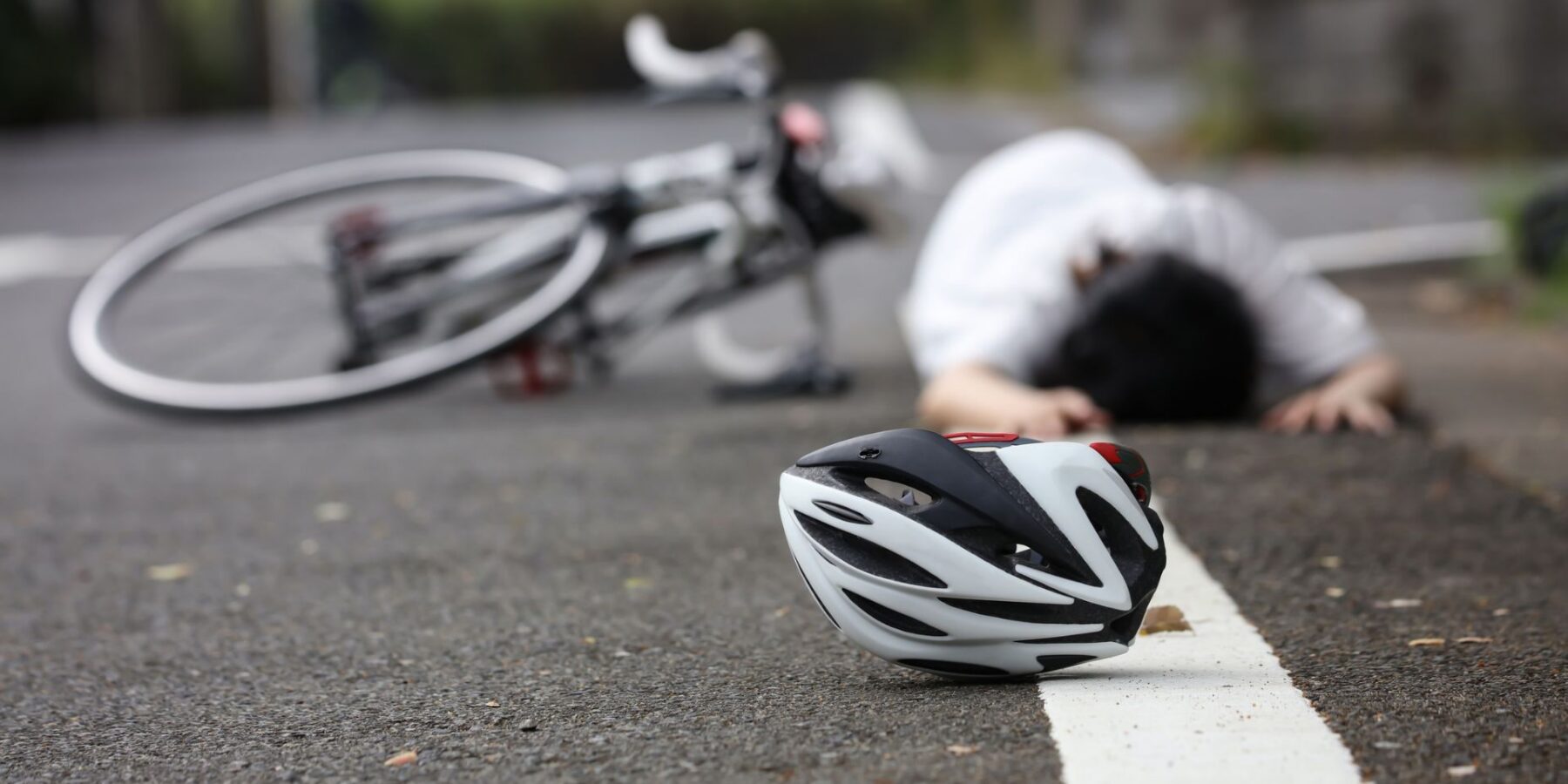
Bicycle Accident Attorneys in San Antonio
A bike crash can leave you severely injured and unsure of what to do next. You may be dealing with road rash, broken bones, a damaged bicycle, missed work, and a driver who claims they never saw you. Fault disputes immediately start as drivers try to shift the blame onto the biker to avoid accountability. Bicycle accident attorneys in San Antonio can help when the insurance company starts asking questions before you understand your injuries or the full cost of the crash.
Lopez Law Firm helps injured cyclists take the claim seriously from the beginning. Our firm reviews what happened, how the driver acted, what your medical care shows, and how the crash affected your routine. You should not have to argue with an insurer trying to offer you a low settlement while trying to heal. Call Lopez Law Firm today at (210) 504-5222 for a free consultation from our bicycle accident attorneys in San Antonio who are here to get you the compensation that you deserve.
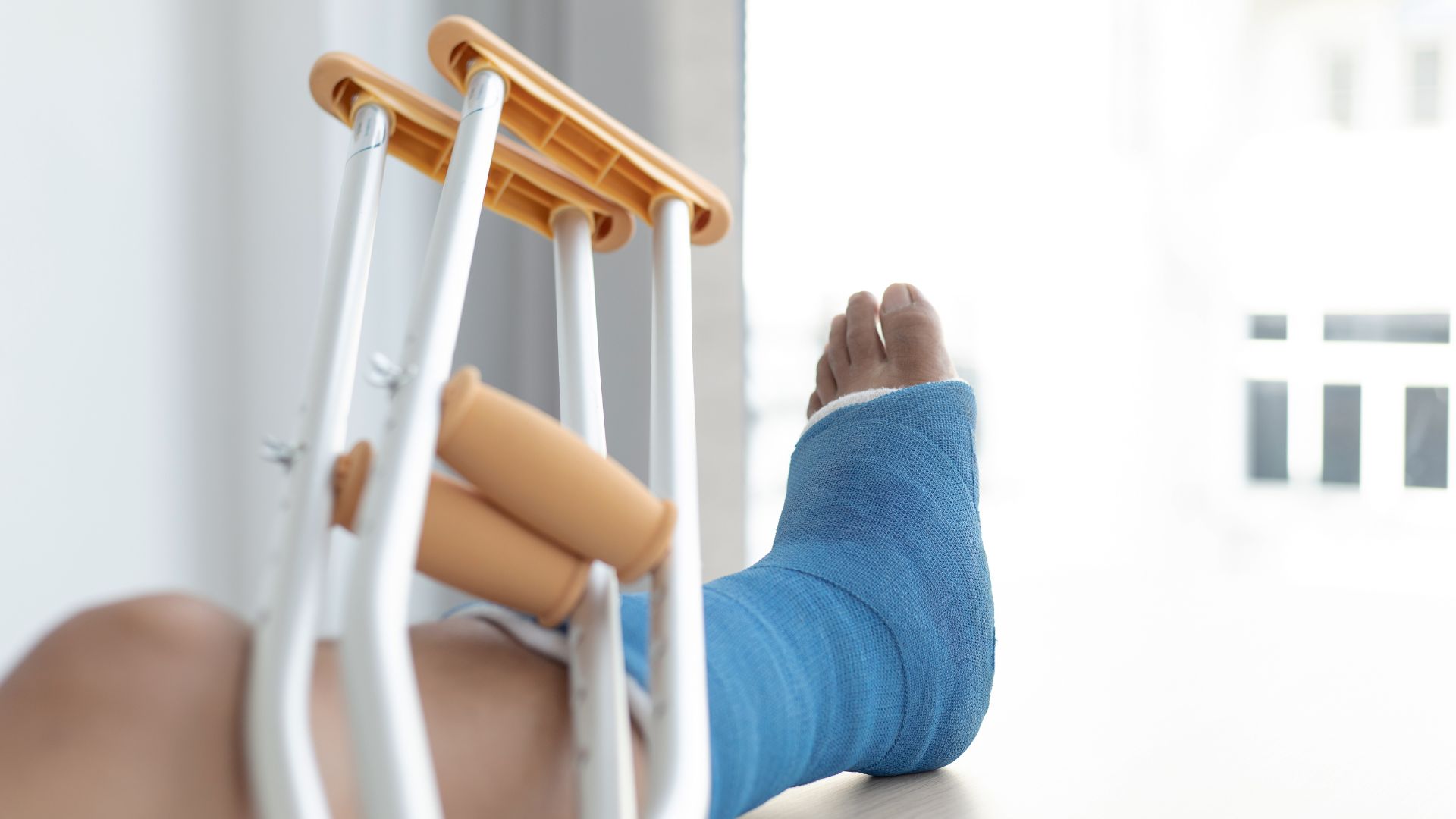
Common Injuries Bicycle Accident Attorneys In San Antonio See After A Crash
A bicycle crash can injure a rider in ways that feel very different from a collision inside a vehicle. The rider may hit pavement, a car door, a curb, a windshield, or the bicycle frame with little protection from the impact. Lopez Law Firm helps explain how those injuries affect the value and direction of the claim. Medical care should describe what happened to the cyclist’s body, not just list a diagnosis. The injury story should match the force and vulnerability of the crash.
Cyclists may also experience injuries that worsen after they leave the scene. Swelling, stiffness, dizziness, deep bruising, nerve pain, and limited movement can become more noticeable later. Insurance companies may minimize bicycle injuries when the rider tries to keep going after the crash. Bicycle accident attorneys in San Antonio can help connect treatment, pain, and recovery limits to the collision. A bicycle injury claim should reflect the rider’s real physical recovery.
Road Rash And Deep Skin Injuries From Pavement
Road rash after a bicycle crash can be painful, messy, and medically serious. A cyclist may slide across asphalt, gravel, broken glass, or rough concrete after being knocked from the bike. These injuries can involve deep abrasions, embedded debris, infection risk, nerve sensitivity, and permanent scarring. Treatment may require wound cleaning, dressings, antibiotics, follow-up visits, or more advanced care when tissue damage is severe. Skin injuries deserve attention because they can affect comfort, movement, sleep, and confidence long after the crash.
Pavement Burns Can Require Repeated Treatment
Pavement burns can reopen, drain, or become infected when healing does not progress properly. A cyclist may need repeated wound care visits to remove debris and monitor damaged skin. These records can show why the injury caused more than temporary discomfort.
Scarring Can Create Lasting Physical Effects
Scarring after a bicycle crash can tighten skin and limit movement near the knees, elbows, shoulders, or hands. Visible marks may also affect how the injured cyclist feels in daily life. A claim should account for lasting skin damage when healing leaves permanent changes.
Broken Bones After A Bicycle Collision
Broken bones are common in bicycle crashes because riders instinctively reach out, twist, or fall directly onto hard surfaces. Wrists, arms, collarbones, ribs, hips, ankles, and legs can absorb sudden force when a vehicle hits the bike or forces the cyclist down. A fracture may require a cast, brace, surgery, hardware, therapy, and weeks away from normal activity. Even a clean break can interfere with dressing, bathing, driving, working, cooking, and basic household tasks. The claim should explain how the fracture changed the rider’s day, not only how the X-ray looked.
Arm And Wrist Fractures Can Limit Independence
Arm and wrist fractures can make ordinary tasks difficult almost immediately after the crash. A cyclist may struggle to work, carry groceries, use a phone, or care for children. These limits help show how a single broken bone can disrupt daily life.
Collarbone Injuries Can Slow Recovery
A collarbone injury can make sleep, dressing, lifting, and shoulder movement painful for weeks. Some riders need surgery when the break shifts or fails to heal correctly. Recovery details can show why the injury created serious personal and financial strain.
Head, Neck, And Back Injuries For Injured Cyclists
A bicycle crash can jolt the head, neck, and spine even when the rider wears a helmet. The impact may cause headaches, concussion symptoms, whiplash, disc irritation, back pain, or nerve symptoms that travel into the arms or legs. These injuries can interfere with concentration, balance, sleep, sitting, lifting, and safe movement. A cyclist may not connect every symptom to the crash right away, especially when visible wounds get more immediate attention. Medical follow-up matters when pain, dizziness, numbness, or stiffness continues after the first day.
Helmet Use Does Not Rule Out Head Injury
A helmet can reduce risk, but it does not prevent every head injury. A cyclist may still suffer headaches, dizziness, memory problems, nausea, or light sensitivity after impact. Those symptoms should be documented before an insurer treats them as unrelated.
Spinal Pain Can Affect Work And Movement
Spinal pain can make sitting, standing, bending, lifting, and walking harder after a bicycle crash. Symptoms that spread into the arms or legs may point to nerve involvement. Treatment records can help explain how back or neck injuries changed the rider’s routine.
Knee, Shoulder, And Wrist Injuries From A Fall
Cyclists often injure knees, shoulders, and wrists when they fall sideways, brace for impact, or get thrown over the handlebars. These injuries can involve sprains, torn ligaments, dislocations, cartilage damage, swelling, and reduced range of motion. A rider may have trouble gripping handlebars, climbing stairs, lifting objects, or returning to exercise. Soft tissue injuries can be frustrating because they may not look severe, but can still interfere with movement for months. A bicycle crash claim should treat joint damage seriously when it limits daily function.
Knee Injuries Can Affect Walking And Stairs
Knee injuries can make walking, standing, kneeling, and climbing stairs painful after a crash. Swelling and instability may also make the rider feel unsafe during normal movement. These problems can affect work, errands, and household responsibilities.
Shoulder Damage Can Limit Reach And Strength
Shoulder injuries can make lifting, reaching, dressing, and sleeping difficult after a bicycle fall. A rider may need imaging or therapy when pain does not improve. Those limits can show why the injury affects more than recreation.
Internal Injuries That May Appear Later
Internal injuries after a bicycle crash can be easy to miss at first because adrenaline may hide pain. A rider may notice abdominal pain, chest discomfort, dizziness, weakness, deep bruising, or shortness of breath hours later. Handlebar impact, vehicle contact, or a hard fall can injure organs, ribs, lungs, or internal tissue. These symptoms need prompt medical attention because some internal injuries can become dangerous without quick treatment. Delayed symptoms should never be ignored after a cyclist absorbs a hard impact.
Handlebar Impact Can Cause Hidden Trauma
Handlebar impact can concentrate force into the abdomen, ribs, or chest. The rider may feel sore at first, then develop worsening pain or breathing difficulty. Medical evaluation can identify hidden injuries before they become more serious.
Deep Bruising Can Signal More Serious Harm
Deep bruising may indicate forceful impact beneath the skin. A cyclist should report swelling, tenderness, dizziness, or pain that keeps getting worse. These details can help doctors and insurers understand the seriousness of the crash.

Why You Should Contact a Bicycle Accident Attorney In San Antonio Right Away
A bicycle crash can become harder to prove when the driver’s story changes, the damaged bike gets repaired, or the first medical symptoms are not documented. Bicycle accident attorneys in San Antonio can help protect the details that show how the collision happened and how the rider was hurt. Cyclists are often left with fewer built-in protections than people inside vehicles, which makes early proof especially important. A fast legal response can help keep the claim focused on the driver’s actions instead of assumptions about the rider. Early support can protect the case before important details fade.
Waiting can also give the insurance company more room to shape the claim before the cyclist understands the full injury picture. An adjuster may ask questions about visibility, lane position, speed, helmet use, or medical history before the rider knows how those answers may be used. Bicycle accident attorneys in San Antonio can help you avoid rushed statements and preserve information that may support liability. The first days after a bike crash should be used to protect health, document damage, and prevent avoidable claim problems. Good timing can make the recovery process less stressful.
Driver Stories Can Change After A Bike Crash
A driver may apologize at the scene and later give a different version after speaking with an insurer. That changed story can create problems when the cyclist does not have photos, witness names, or written notes from the crash. Drivers may claim they did not see the bicycle, thought the rider moved suddenly, or believed they had enough room to pass. Those explanations need to be compared with the actual movement of the vehicle and bicycle. A claim becomes stronger when early details limit the chance for later blame shifting.
Driver Visibility Claims Need A Close Review
A driver who claims they never saw the cyclist may still have failed to look carefully. The review should consider mirrors, turns, passing distance, traffic flow, and the rider’s position. Visibility claims should not automatically excuse unsafe driving.
Early Notes Can Protect Important Details
Written notes can preserve what the driver said before the story changes. A cyclist should record the driver’s statements, nearby conditions, and anything unusual after the collision. Those details can help challenge a later version that feels inconsistent.
Bicycle Damage Can Disappear During Repairs
A damaged bicycle can show more than the fact that a crash occurred. Bent wheels, scraped pedals, cracked frames, broken handlebars, damaged lights, and torn accessories can help explain the force and direction of impact. Repair shops may replace parts before anyone documents how the damage looked immediately after the collision. Photos of the bicycle, helmet, clothing, and gear can preserve evidence that supports the rider’s account. Bicycle accident attorneys in San Antonio can use those details to connect physical damage with the crash sequence.
Bike Components Can Show Impact Direction
Damage patterns can reveal where the bicycle absorbed force during the collision. A bent rim, twisted fork, or crushed pedal may support the rider’s description of the impact. These details should be photographed before repairs begin.
Gear Damage Can Support Injury Claims
Helmet cracks, torn gloves, ripped clothing, and damaged lights may show how the cyclist hit the ground or a vehicle. Gear damage can also support the seriousness of road rash, head impact, or joint injuries. Saving those items can give the claim useful physical proof.
Early Medical Care Can Protect Your Claim
Medical care after a bicycle crash should begin quickly because pain can change as swelling, shock, and adrenaline fade. A cyclist may feel soreness at first and later develop headaches, stiffness, numbness, weakness, or deeper pain. Treatment records can connect the injury to the crash and show how symptoms developed over time. Insurance companies may question injuries when a rider waits too long to get evaluated. Early care protects both the cyclist’s health and the strength of the claim.
Delayed Symptoms Can Still Be Serious
Delayed symptoms can happen when the body reacts slowly after impact. Headaches, dizziness, back pain, swelling, and nerve symptoms should be reported to a medical provider. Prompt reporting helps prevent insurers from calling the injury unrelated.
Follow-Up Visits Add Medical Support
Follow-up visits can show whether pain improved, spread, or required more treatment. They can also document therapy needs, imaging recommendations, work limits, and ongoing discomfort. Consistent medical care gives the claim stronger support.
Insurance Calls Can Create Problems For Cyclists
Insurance adjusters may contact cyclists before they understand the crash, the injuries, or the driver’s defense. A friendly call can still include questions designed to reduce fault or minimize the value of the claim. The adjuster may ask about helmet use, lighting, lane position, prior injuries, or whether the cyclist felt okay at the scene. Short answers can later be used out of context when the medical record becomes more complete. Legal help can keep early communication from creating unnecessary disputes.
Adjuster Questions Can Shift Blame
Questions about rider behavior may seem routine, but they can guide the claim toward shared fault. An insurer may focus on clothing, route choice, bicycle position, or timing to reduce payment. Careful answers help keep the discussion grounded in facts.
Recorded Statements Should Be Handled Carefully
A recorded statement can lock the cyclist into answers given before recovery is clear. Later medical findings may make those first answers look incomplete or inconsistent. Legal review can help protect the claim from avoidable mistakes.

How Texas Law Affects Bicycle Accident Claims In San Antonio
Texas law can shape a bicycle accident claim from several directions. A cyclist generally has the same rights and duties that apply to drivers when those rules apply to bicycle operation. Bicycle accident attorneys in San Antonio can evaluate whether a driver failed to yield, passed too closely, opened a door into a cyclist, turned unsafely, or ignored the rider’s right to use the road. The same review may also consider whether the cyclist followed traffic rules and used proper caution. Fault should be based on conduct, not assumptions about bicycles.
Texas also follows proportionate responsibility rules in injury claims. That means compensation can be reduced when an injured cyclist receives part of the blame. If the cyclist is found more than 50 percent responsible, recovery may be unavailable. Bicycle accident attorneys in San Antonio can help challenge exaggerated blame arguments before they reduce the value of the case. Liability analysis matters because fault percentages can change the outcome.
Driver Duties When Sharing The Road With Cyclists
Drivers must treat bicycles as legitimate road users, not obstacles to push around or ignore. A driver may create liability by turning across a cyclist, failing to yield, drifting into a bike’s path, following too closely, or passing without enough room. Cyclists can be badly hurt when drivers misjudge speed, distance, or visibility. A claim should examine the driver’s decisions before impact instead of focusing only on where the cyclist landed. Safe driving requires attention to smaller, more vulnerable road users.
Passing Distance Can Affect Liability
Unsafe passing can force a cyclist toward a curb, parked car, debris, or traffic. A driver who crowds a bicycle may leave the rider with no safe escape path. Passing behavior deserves close review when the crash involved side contact or forced movement.
Turning Drivers Can Create Serious Risk
A turning driver may cut across a cyclist’s path before the rider can react safely. These crashes can happen when drivers look for vehicles but fail to notice bicycles. Turn timing and driver attention can become central liability questions.
Cyclist Rights Under Texas Traffic Rules
Texas traffic rules give cyclists meaningful roadway rights, but those rights also come with responsibilities. A cyclist may need to obey signals, use proper direction of travel, and act with reasonable caution under the circumstances. Those rules do not give drivers permission to blame a cyclist simply because the rider was on a bicycle. Bicycle accident attorneys in San Antonio can review how both sides behaved before assigning responsibility. The goal is to separate real rule violations from unfair driver excuses.
Bicycle Riders Have Roadway Protections
Cyclists have legal protections when they ride in places where bicycles may operate. Drivers should account for the cyclist’s presence before turning, passing, backing, or opening a door. Roadway protections matter when insurers claim the cyclist had no right to be there.
Traffic Rule Claims Need Accurate Facts
An insurer may claim the cyclist ignored a signal, rode unpredictably, or entered traffic unsafely. Those claims should be compared with photos, witness accounts, crash damage, and timing details. Accurate facts keep the liability review from becoming guesswork.
Fault Disputes After A Bicycle Collision
Fault disputes often begin when the driver says the cyclist appeared suddenly or acted unpredictably. Those statements can sound persuasive when no one checks sightlines, vehicle movement, bicycle position, and witness details. A driver’s failure to see the cyclist does not automatically make the rider responsible. Bicycle accident attorneys in San Antonio can test those statements against the evidence and the traffic rules. Disputed fault requires a careful review of what each person could see and do before impact.
Visibility Arguments Can Mislead Insurers
Drivers may claim the cyclist was hard to see without explaining why they failed to keep a proper lookout. Lighting, clothing, bike lights, traffic flow, and road position may all affect that review. Visibility arguments should be tested before they reduce the claim.
Crash Timing Can Change Responsibility
A few seconds can matter in a bicycle collision. Timing can show whether the driver had enough time to yield, stop, or avoid the cyclist. A clear sequence can prevent blame from shifting unfairly.
Comparative Fault And Recovery After A Bike Crash
Comparative fault can affect how much an injured cyclist may recover after a crash. If a cyclist receives a percentage of blame, the recovery can drop by that percentage. When the cyclist is found more than 50 percent responsible, Texas law may prevent compensation. Bicycle accident attorneys in San Antonio can respond when insurers assign the rider too much fault without reliable support. Fault percentages need evidence behind them.
Shared Fault Can Reduce Compensation
A cyclist may still recover compensation when assigned partial fault, as long as the fault does not exceed the legal limit. The recovery may be reduced based on the percentage assigned to the rider. That makes every disputed percentage important.
Blame Arguments Need Strong Pushback
Insurers may blame helmet use, lane position, visibility, speed, or route choice to reduce payment. Those arguments can become costly when they go unanswered. Strong pushback helps keep responsibility tied to the actual crash facts.

Compensation Available In San Antonio Bicycle Accident Claims
Compensation after a bicycle crash should reflect the way the collision affected your body, your bike, your work, and your daily life. Bicycle accident attorneys in San Antonio can review medical bills, therapy costs, bicycle repairs, replacement gear, missed income, and long-term limitations when building the claim. A cyclist may face expenses that continue after the first medical visit because pain, mobility problems, and repair issues can take time to resolve. Insurance companies may focus on the easiest costs to count while ignoring how the crash changed the rider’s routine. A fair claim should include both immediate losses and the problems that continue during recovery. The value should match the real harm caused by the collision.
Bicycle accident claims can include financial losses and personal losses. Financial losses may involve treatment, prescriptions, diagnostic tests, bike replacement, transportation costs, and time missed from work. Personal losses may involve pain, reduced independence, lost riding confidence, sleep disruption, and the stress of depending on others while healing. Bicycle accident attorneys in San Antonio can help make sure those losses are not treated as minor simply because the injured person was riding a bike. Compensation should account for the full recovery picture. A cyclist deserves more than a narrow review of receipts.
Medical Treatment Costs After A Bicycle Crash
Medical treatment can become expensive quickly after a driver hits a cyclist or forces the rider down. Emergency care, wound treatment, imaging, orthopedic visits, physical therapy, medication, and follow-up appointments may all become part of the claim. Some cyclists need longer care because road rash, fractures, head symptoms, back pain, or joint injuries do not resolve quickly. Medical bills should be reviewed with the treatment plan so future care is not overlooked. A compensation demand should explain why the care was necessary and how the crash caused the need for treatment.
Emergency Medical Bills After A Bicycle Accident Injury
Emergency care may include ambulance transport, hospital evaluation, imaging, stitches, pain medication, and fracture treatment after a cyclist is hit. Separate providers may send separate bills, which can make the total cost harder to track. The claim should account for every crash-related medical charge.
Physical Therapy And Follow-Up Care For Injured Cyclists
Therapy and follow-up appointments can continue long after the first emergency visit. A cyclist may need help restoring movement, strength, balance, wound healing, or pain control. These costs should remain part of settlement talks when recovery remains unfinished.
Bicycle Repair And Gear Replacement Costs
A bicycle crash can damage more than the frame or wheels. Helmets, lights, locks, gloves, shoes, bags, reflective gear, child seats, and other riding equipment may need replacement after impact. Damaged safety gear should not be reused when it no longer offers reliable protection. Repair estimates can also show when a bicycle is unsafe to ride, even if it looks fixable. Compensation should include the equipment a cyclist needs to return to safe transportation or recreation.
Bicycle Repair Costs After A Driver Hits A Cyclist
A damaged bicycle can interrupt commuting, errands, exercise, and daily transportation after the crash. Repair delays may force the cyclist to pay for rides, transit, or temporary replacement equipment. Those practical costs should be included when the claim accounts for property damage.
Helmet Light And Protective Gear Replacement After A Bike Crash
A helmet, light, reflective item, or protective accessory may lose safety value after impact. Reusing damaged gear can place the cyclist at risk if another ride ends in a crash. Replacement costs should be treated as part of recovery because safety equipment protects future riding.
Lost Income During Bicycle Crash Recovery
A cyclist may lose income when injuries interfere with work duties, commuting, appointments, or basic movement. Missed shifts, reduced hours, unpaid leave, lost overtime, and limited job tasks can create financial stress during recovery. Medical restrictions can explain why the injured person could not safely return to regular work. Employer notes, wage records, schedules, and tax documents can help support the income loss claim. Compensation should reflect the money the cyclist lost because the crash interrupted work.
Missed Work And Lost Wages After A Cyclist Injury
Missed work can create immediate pressure when medical bills continue, and paychecks shrink after the crash. Employer records can show absences, reduced schedules, lost overtime, or work restrictions tied to the injury. Those records help connect the bicycle accident to the financial loss.
Reduced Earning Ability After A Serious Bicycle Crash
Some cyclists return to work but still cannot perform every task safely or consistently. Pain, weakness, mobility limits, or appointment schedules may reduce productivity and future income. That ongoing financial effect should be considered before settlement because recovery can affect work beyond the first missed shift.
Pain And Lifestyle Disruption After A Bike Collision
Pain after a bicycle crash can affect the parts of life that do not appear on invoices. A cyclist may struggle with sleep, movement, childcare, errands, exercise, household tasks, or the confidence to ride again. These losses matter because the crash can change independence and daily comfort in ways that bills alone cannot show. A claim should explain how the injury affected real life instead of stopping at medical charges. Compensation can include the personal disruption caused by the collision.
Daily Activity Limits After A Bicycle Accident Injury
Daily limits may involve walking, bending, lifting, driving, sitting comfortably, or caring for children after the crash. These changes can make ordinary responsibilities harder and increase dependence on family or friends. The claim should describe those limits in practical terms so the personal impact is not ignored.
Lost Riding Confidence And Reduced Independence After A Bicycle Crash
A crash can make returning to a bicycle feel stressful, painful, or physically unsafe. Some cyclists lose access to commuting freedom, exercise, social rides, or a routine that supports their health. That personal loss deserves attention because bicycle injuries can affect independence beyond medical treatment.

Why People Trust Lopez Law Firm With Their Bicycle Accident Claims
Trust matters after a bicycle crash because the injured cyclist often feels exposed in more ways than one. Lopez Law Firm understands that a bike accident can bring medical pain, transportation problems, work disruption, and unfair blame from a driver or insurer. The firm looks at the crash from the cyclist’s position instead of treating the claim like a standard vehicle dispute. Bicycle accident attorneys in San Antonio should understand how bicycle damage, rider injuries, and driver excuses can shape the case. Lopez Law Firm focuses on practical support, direct communication, and a claim strategy built around the rider’s real recovery. Injured cyclists deserve legal help that takes their experience seriously.
A bicycle accident claim should not depend on assumptions about where the cyclist was riding or whether the driver noticed them. Lopez Law Firm reviews driver conduct, impact details, medical treatment, repair records, and insurance arguments before accepting any version of events. That approach helps protect cyclists from being blamed simply because they were harder to see or more vulnerable in the collision. Bicycle accident attorneys in San Antonio can help make sure the claim reflects the facts instead of a driver’s excuse. The firm also explains each step in plain language so the process feels easier to follow. Strong legal support can help injured riders regain control.
Challenging Driver Excuses After A Cyclist Is Hit
Drivers often claim they never saw the cyclist, the bike appeared suddenly, or the rider moved unpredictably before impact. Lopez Law Firm reviews those explanations against crash details, bicycle position, witness statements, and damage patterns. A driver’s excuse should not become the final story when the facts point somewhere else. Bicycle accident attorneys in San Antonio can help show whether the driver failed to yield, passed too closely, turned unsafely, or ignored the cyclist’s right to the road. The claim should focus on conduct, not convenience.
Driver Statements Need A Factual Response
A driver’s statement may leave out details that explain why the collision happened. The response should compare that statement with photos, witness accounts, bicycle damage, and medical records. A factual response can keep blame from shifting unfairly.
Cyclist Visibility Arguments Need Careful Review
Visibility arguments can distract from a driver’s duty to watch for bicycles. Lighting, lane position, passing distance, and turning behavior may all affect responsibility. These details can show why the driver should have noticed the cyclist.
Building Claims Around Bicycle-Specific Injuries
Bicycle injuries often involve direct contact with pavement, vehicle parts, handlebars, curbs, or the bike itself. Lopez Law Firm considers how road rash, fractures, head symptoms, joint damage, and internal injuries affect daily movement and recovery. These injuries can interrupt work, commuting, exercise, childcare, and ordinary routines that depend on physical independence. A claim built around bicycle-specific harm can explain why the crash caused more than temporary discomfort. Injured cyclists need their recovery described with accuracy and context.
Rider Injuries Can Affect Daily Independence
A cyclist may struggle with stairs, lifting, driving, dressing, or basic movement after impact. These limits can change household responsibilities and create dependence on others. The claim should explain how the injury changed daily life.
Bicycle Crash Recovery Can Take Time
Recovery may involve wound care, therapy, imaging, follow-up visits, and pain management. Some injuries worsen after the first day or limit activity for weeks. Ongoing care can show why compensation should reflect the full recovery period.
Explaining Insurance Decisions During A Bicycle Accident Claim
Insurance decisions can feel confusing when the adjuster questions fault, treatment, bike repairs, or the seriousness of the injury. Lopez Law Firm helps injured cyclists understand what the insurer is asking and why the answer may affect the claim. The firm can explain settlement offers, document requests, recorded statements, and disputed liability in a way that makes the process easier to follow. Bicycle accident attorneys in San Antonio should help cyclists make informed decisions instead of rushing under pressure. A better understanding can reduce stress while the claim moves forward.
Settlement Offers Need Careful Review
A settlement offer may not include future treatment, lost income, bike replacement, or ongoing pain. Accepting too early can leave the cyclist responsible for costs that appear later. Review helps determine whether the offer reflects the crash’s full impact.
Insurance Questions Can Shape The Claim
Insurance questions may focus on helmet use, roadway position, visibility, or prior medical history. Short answers can create problems when the insurer uses them without context. Legal support helps keep communication accurate and protected.
Get a Free Consultation On Your Bicycle Accident Claim From Lopez Law Firm Today
Being hit on a bicycle can change your health, your finances, and your independence all at once. Medical appointments start stacking up, your bike may be unusable, and work may become harder to manage. Lopez Law Firm helps injured cyclists address those problems before the claim is steered in the wrong direction.
Your case should account for the physical pain, the damaged equipment, the missed income, and the everyday routines the crash interrupted. Our bicycle accident attorneys in San Antonio can review what happened, explain your options, and help you decide what steps make sense next. For help after a bicycle crash, call Lopez Law Firm at (210) 504-5222 or visit our contact page for a free consultation today.
Practice Areas
Trust Us With Your Personal Injury Claim
If you or a loved one have been injured, Lopez Law Firm will fight for you every step of the way. We will give our all to secure the compensation you rightfully deserve.





Contact usfor a free consultation.
Phone: (210) 504-5222