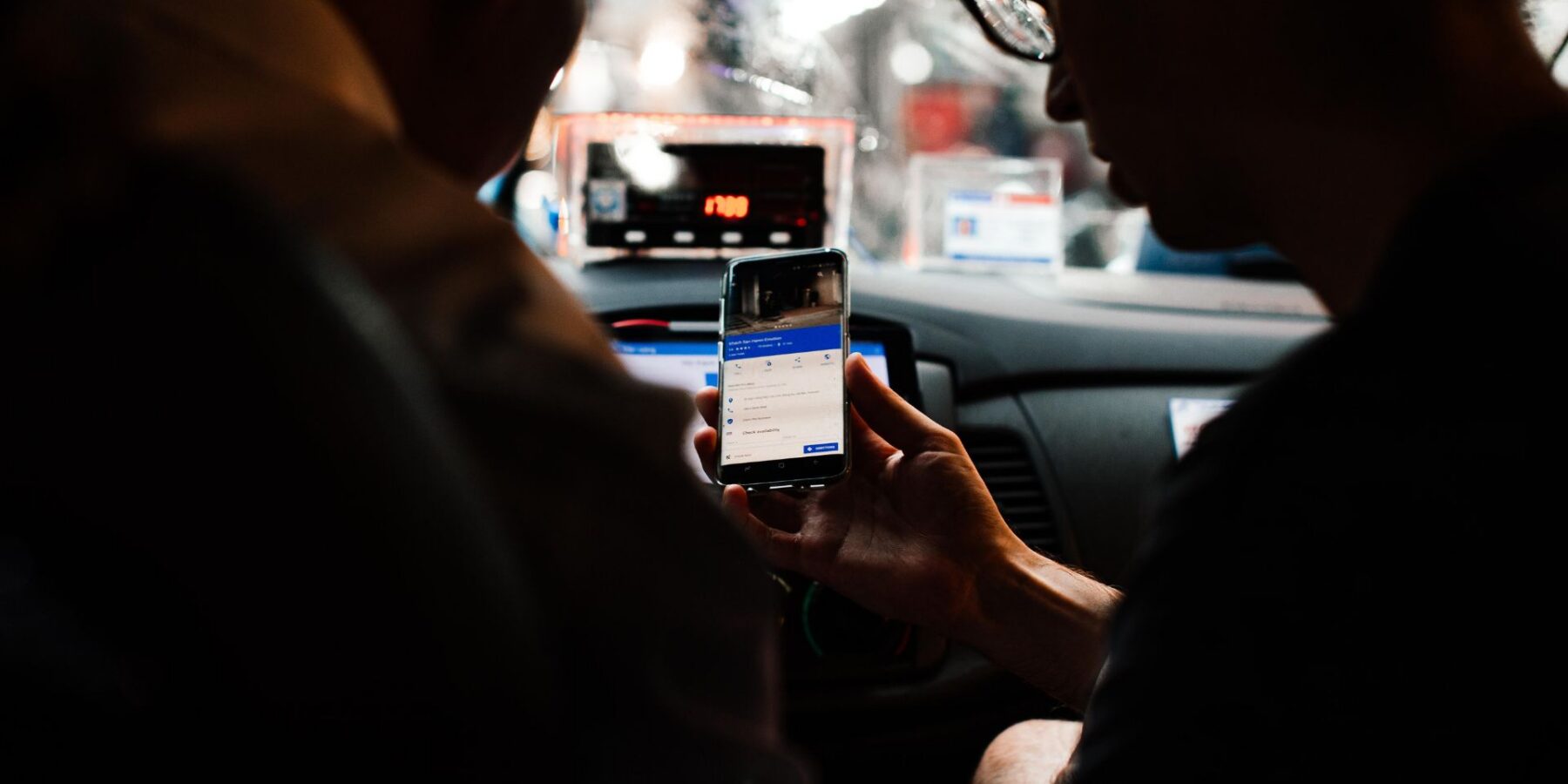
Rideshare Accident Lawyers in New Braunfels
After an Uber or Lyft crash, you need to know who may pay for your injuries and what steps protect your claim. Rideshare accident lawyers in New Braunfels help injured passengers, drivers, pedestrians, and families sort through insurance coverage before adjusters shift blame or undervalue the case.
Lopez Law Firm reviews rideshare injury claims with a focus on fast answers, insurance coverage, and evidence that can disappear quickly. We look at app status, trip records, crash reports, medical treatment, witness details, and vehicle damage to identify the strongest path forward. If you were hurt near I-35, Loop 337, Gruene, downtown New Braunfels, or a hotel pickup area, call (210) 504-5222 for a free consultation.
Principal attorney Steven A. Lopez and attorney Genesis Salinas-Longoria help injury victims deal with the confusion that follows a rideshare crash. Uber and Lyft claims can become difficult when insurers dispute whether the driver was waiting for a ride, heading to a pickup, or carrying a passenger. We work to protect your claim, explain your options, and pursue compensation tied to medical bills, lost income, pain, and long-term recovery.
How Rideshare Accident Lawyers in New Braunfels Build Strong Injury Claims After a Crash
Rideshare accident lawyers in New Braunfels build injury claims differently than ordinary car accident cases. Uber and Lyft collisions can involve app activity records, layered insurance policies, commercial driving activity, and disputes over whether the driver actively worked during the crash. These claims often become more difficult within days, especially when insurance companies start arguing about coverage before the injured person fully understands what happened.
A rideshare crash near Loop 337, Interstate 35, Walnut Avenue, or downtown New Braunfels can quickly involve several insurance adjusters at once. One company may represent the rideshare driver’s personal policy, another may represent the rideshare company coverage, and another may represent a separate driver involved in the collision. That structure creates confusion for injured passengers and drivers who simply want answers about medical bills, missed work, and vehicle damage.
Lopez Law Firm approaches rideshare injury claims by focusing on the details that insurance companies often try to control early. That includes rideshare app status, pickup location timing, GPS route activity, driver conduct, crash scene evidence, emergency medical records, and digital trip data. These cases require quick investigation because rideshare companies and insurers begin protecting their own interests immediately after the crash occurs.
Why New Braunfels Uber And Lyft Claims Require Faster Investigation
Rideshare crashes often create evidence issues that standard car accident cases do not. A normal crash may depend mainly on a police report and vehicle damage. Uber and Lyft claims can involve electronic records that change quickly, including trip logs, app activity, driver availability status, route tracking, and passenger timestamps.
New Braunfels continues seeing heavier traffic near tourist corridors, river destinations, hotels, and downtown event areas. Rideshare drivers regularly move through areas near Gruene Road, Seguin Avenue, and San Antonio Street while checking navigation directions and responding to ride requests. That constant app interaction can become an important factor in proving distraction, unsafe stopping, or sudden lane movement.
How Rideshare App Activity Affects Injury Claims
Rideshare app activity can determine which insurance policy applies after a collision. Texas law separates rideshare coverage into different stages depending on what the driver was doing at the time of impact. A driver waiting for a ride request may have different coverage than a driver carrying an active passenger.
Insurance companies examine these stages closely because coverage limits can change substantially depending on app status. An injured person may hear conflicting explanations from multiple adjusters within days of the crash. One insurer may deny primary responsibility while another delays reviewing the claim entirely.
Rideshare accident lawyers in New Braunfels review app records, timestamps, pickup confirmations, ride receipts, and driver activity logs to establish the exact rideshare status during the collision. Those records help prevent insurers from changing their position later in the claim process.
Why Insurance Adjusters Focus On Driver Status
Insurance adjusters focus heavily on whether the rideshare driver actively worked during the collision. If the driver had the app turned off, the rideshare company may deny direct coverage. If the driver accepted a trip request moments before impact, the available policy may increase significantly.
This issue becomes even more important when severe injuries occur. A crash involving surgery, hospitalization, spinal injuries, or traumatic brain injury may exceed the limits of a personal auto policy. As a result, determining the correct rideshare coverage can directly affect the available financial recovery.
How Pickup Locations Create Liability Questions
Pickup locations can affect how liability gets analyzed after a rideshare collision. Drivers sometimes stop suddenly near crowded sidewalks, hotel entrances, restaurants, bars, or river access points. New Braunfels rideshare traffic near entertainment districts often creates abrupt lane changes and unsafe passenger loading situations.
An Uber driver stopping near downtown New Braunfels late at night may create hazards for nearby traffic, pedestrians, or cyclists. A Lyft driver attempting to locate tourists unfamiliar with the area may make unsafe turns or distracted driving decisions while looking at the app. These situations require detailed investigation instead of relying only on a basic crash report.
Why Tourist Traffic Changes Rideshare Accident Risks
Tourism changes traffic behavior throughout New Braunfels. Visitors often rely heavily on Uber and Lyft during river season, Wurstfest, concerts, nightlife activity, and weekend travel between Austin and San Antonio. Many rideshare drivers work unfamiliar routes while navigating crowded traffic patterns.
Drivers unfamiliar with local roads sometimes brake suddenly near river entrances or attempt unsafe pickups near heavily congested streets. Heavy pedestrian activity near bars, restaurants, and event spaces can increase collision risk during nighttime rideshare activity. These local conditions help explain why rideshare crashes in New Braunfels often involve unusual traffic movement and confusing liability disputes.
How Strong Injury Documentation Increases Claim Value
Strong injury documentation often determines whether an insurance company takes a rideshare claim seriously. Insurers look for gaps in treatment, delayed care, inconsistent symptoms, and missing medical records. Even a legitimate injury can face resistance if the documentation does not clearly connect the condition to the crash.
Rideshare accident lawyers in New Braunfels help organize medical evidence from the beginning of the case. That may include emergency room records, orthopedic treatment, imaging studies, neurological evaluations, physical therapy notes, and physician work restrictions. Organized records help show how the injury affected daily activities, employment, mobility, and long-term recovery.
Why Delayed Medical Treatment Hurts Uber Accident Cases
Delayed treatment creates problems in rideshare injury claims because insurers often argue that the injuries were minor or unrelated to the collision. A passenger who waits several days before seeking treatment may face questions about whether the crash truly caused the condition.
This issue appears often in rideshare collisions involving neck injuries, back injuries, concussions, and soft tissue trauma. Some symptoms worsen gradually after adrenaline fades following the crash. An injured passenger may initially believe the soreness will improve, only to discover severe pain days later.
Insurance companies use those delays to challenge medical claims. Early evaluation creates a stronger timeline between the collision and the physical symptoms.
Why Concussion Symptoms Get Overlooked After Lyft Crashes
Concussion symptoms frequently go unnoticed after rideshare collisions. A passenger may walk away from the crash believing they avoided serious injury, yet later experience dizziness, headaches, memory problems, nausea, or concentration difficulties.
Rideshare passengers often sit in positions where side-impact collisions or rear-end crashes create sudden head movement. A driver making a quick turn near an intersection or stopping unexpectedly near a pickup point can contribute to violent impact forces inside the vehicle.
Medical documentation becomes important in these situations because brain injuries sometimes develop without visible trauma. Prompt neurological evaluation helps establish the connection between the crash and later symptoms.
How Pain Journals Strengthen Injury Claims
Pain journals help document how injuries affect daily life after a rideshare crash. Medical records show treatment dates and diagnoses, but they may not fully explain how pain limits movement, sleep, work, or family responsibilities.
A person recovering from a spinal injury may struggle with driving, lifting groceries, climbing stairs, or sitting through a workday. Someone recovering from a concussion may experience headaches during computer use or difficulty focusing during conversations. Daily notes can help explain these ongoing limitations during settlement discussions.
Why Daily Limitations Matter In Settlement Negotiations
Insurance companies often reduce claims by focusing only on medical bills. They may ignore the practical impact the injury created at home or work. Daily limitations help demonstrate how the collision disrupted normal routines and responsibilities.
An injured rideshare passenger who can no longer handle childcare duties, construction work, warehouse lifting, or extended driving may face continuing physical and financial consequences long after the initial emergency treatment ends. These real-world effects become part of the broader injury claim evaluation.
How Rideshare Accident Lawyers Analyze Driver Conduct
Driver conduct remains one of the most important parts of any Uber or Lyft injury claim. Rideshare drivers spend significant time interacting with phones, navigation systems, ride requests, and passenger messages while moving through traffic. That level of multitasking can create dangerous situations in crowded New Braunfels traffic conditions.
Some rideshare drivers work extended hours across multiple apps. Fatigue can become a factor during nighttime driving, weekend event traffic, or long-distance travel between San Antonio and Austin. A driver trying to complete more rides quickly may speed, brake aggressively, or make unsafe lane changes near intersections and frontage roads.
Why Phone Use Creates Dangerous Lyft Driving Conditions
Phone use contributes to many rideshare crashes. Drivers often check ride requests, route directions, passenger updates, and app notifications while driving through active traffic corridors. Even short glances at a screen can reduce reaction time during congested traffic conditions.
This issue becomes especially dangerous in areas with heavy pedestrian activity. Downtown New Braunfels, entertainment areas, and hotel zones often involve sudden stopping and unpredictable traffic movement. A distracted rideshare driver may fail to notice slowing vehicles, crossing pedestrians, or changing traffic signals.
How Crash Scene Evidence Supports Liability Claims
Crash scene evidence can help reconstruct how the collision occurred. Vehicle positioning, debris patterns, skid marks, traffic camera footage, and witness statements may support a stronger liability argument.
Rideshare accident lawyers in New Braunfels often investigate whether the rideshare driver stopped illegally, turned improperly, followed GPS directions unsafely, or failed to yield during pickup activity. These details can become central to proving negligence when insurers dispute fault.
Why Witness Statements Matter After Uber Crashes
Witnesses often notice details that injured passengers miss during the confusion after a crash. Another driver, pedestrian, restaurant employee, or rideshare passenger may have seen the rideshare vehicle speeding, stopping unexpectedly, or drifting between lanes before impact.
Strong witness statements can reinforce other evidence in the claim. They may help counter insurance arguments that attempt to shift blame onto the injured person or another driver.
Can You Sue Uber or Lyft After a Serious Crash in New Braunfels
You can bring a rideshare injury claim after a serious Uber or Lyft crash in New Braunfels, but the proper target depends on the facts. In some cases, the claim starts against the rideshare driver’s insurance. In other cases, the claim may involve Uber or Lyft coverage, another driver’s policy, or several insurers at the same time.
This question matters because rideshare crashes do not follow one simple insurance path. A passenger hurt near I-35, a driver struck near Loop 337, or a pedestrian hit near downtown New Braunfels may face different claim rules depending on whether the app was active. Rideshare accident lawyers in New Braunfels help determine who had legal responsibility and which insurance coverage should respond.
When Uber or Lyft Coverage May Apply
Uber or Lyft coverage may apply when the driver used the app for rideshare work during the crash. The available coverage often depends on whether the driver waited for a ride request, drove to pick up a passenger, or transported a rider. This detail can change the value and direction of the claim.
A crash during an active trip usually creates a stronger connection to rideshare coverage than a crash involving a driver who had the app turned off. Still, insurers may dispute the timeline. That is why trip receipts, screenshots, pickup details, and ride history can become important evidence.
Why Active Ride Status Can Change Everything
Active ride status can affect which insurer pays for injuries. If a Lyft driver had already accepted a ride near Gruene and crashed while heading to the pickup, the claim may look different from a crash after the driver ended the trip. A few minutes can change the insurance analysis.
This timing issue often creates a delay; one insurer may say the rideshare company should handle the claim. Another may say the driver’s personal policy applies. An attorney can press for records that show what the app displayed when the collision occurred.
What Injured Passengers Should Save First
Passengers should save their ride receipt, driver name, pickup location, destination, fare record, and any app messages. These details may help prove that the crash happened during a covered rideshare trip. Photos of the scene, vehicle damage, and visible injuries can also help.
This evidence can disappear from easy access as time passes. A rider who saves the information early gives the claim a stronger foundation. That proof may stop an insurer from later arguing that the ride status remains unclear.
When Another Driver May Be Responsible
Another driver may carry responsibility if they caused the crash. For example, a distracted driver may rear-end an Uber near Walnut Avenue, or a speeding driver may run a red light near Seguin Avenue. In those cases, the rideshare driver may not be the main cause.
Still, rideshare claims can remain complicated even when another driver caused the impact. The injured person may need to deal with the at-fault driver’s insurer, the rideshare driver’s insurer, and possible rideshare coverage. This layered process can slow payment and create confusion.
Why Fault Disputes Become More Complicated
Fault disputes become harder when multiple vehicles are involved in the claim. Each insurer may try to reduce its own payout by blaming someone else. A passenger may hear several versions of the crash before receiving any real answers. Rideshare accident lawyers in New Braunfels compare the crash report, witness statements, vehicle damage, and local traffic conditions. This review helps identify whether one driver caused the crash or several drivers shared fault.
How Local Roads Affect Fault Arguments
New Braunfels traffic patterns can affect fault arguments. I-35 frontage roads create sudden merges. Loop 337 carries commuter traffic and local traffic together. Downtown streets can become crowded during weekends, river season, and public events.
These details matter because insurance adjusters may overlook the local setting. A claim becomes stronger when it explains how the roadway, traffic flow, and driver decisions created the crash.
When A Direct Lawsuit May Become Necessary
A lawsuit may become necessary when insurers deny fault, delay payment, or undervalue serious injuries. Many claims start with negotiation, but severe crashes may require formal legal action to obtain records and pressure the responsible parties. A lawsuit can also help resolve disputes over app status, coverage, and injury value.
This does not mean every rideshare crash turns into a courtroom battle. Many cases resolve before trial. Still, preparing the case as if litigation may happen can create leverage during settlement talks.
Why Severe Injuries Require Stronger Case Pressure
Severe injuries require more case pressure because the long-term costs can be high. A person with spine injuries, fractures, concussion symptoms, or surgery needs more than a quick settlement offer. The claim must account for treatment, recovery time, work limits, and future medical needs.
Insurers often move fast when they want a recorded statement or early settlement. Injured people should move carefully. Once a claim settles, the injured person usually cannot reopen it for later complications.
What A Strong Rideshare Claim Should Prove
A strong rideshare claim should prove who caused the crash, which insurance policy applies, and how the injuries changed the person’s life. It should include medical records, wage proof, app records, witness details, and a clear timeline of events.
Lopez Law Firm reviews these issues before insurers control the conversation. Principal attorney Steven A. Lopez and attorney Genesis Salinas-Longoria focus on the facts that show responsibility and loss. That approach helps injured people pursue a claim with better preparation and fewer unanswered questions.
How Rideshare Accident Lawyers in New Braunfels Build Strong Injury Claims After a Crash
Rideshare accident lawyers in New Braunfels build strong injury claims by proving three things early. They identify who caused the crash, which insurance coverage applies, and how the injuries affect the injured person’s daily life. In Uber and Lyft cases, those answers can change based on app status, trip timing, driver conduct, and the exact place where the collision happened.
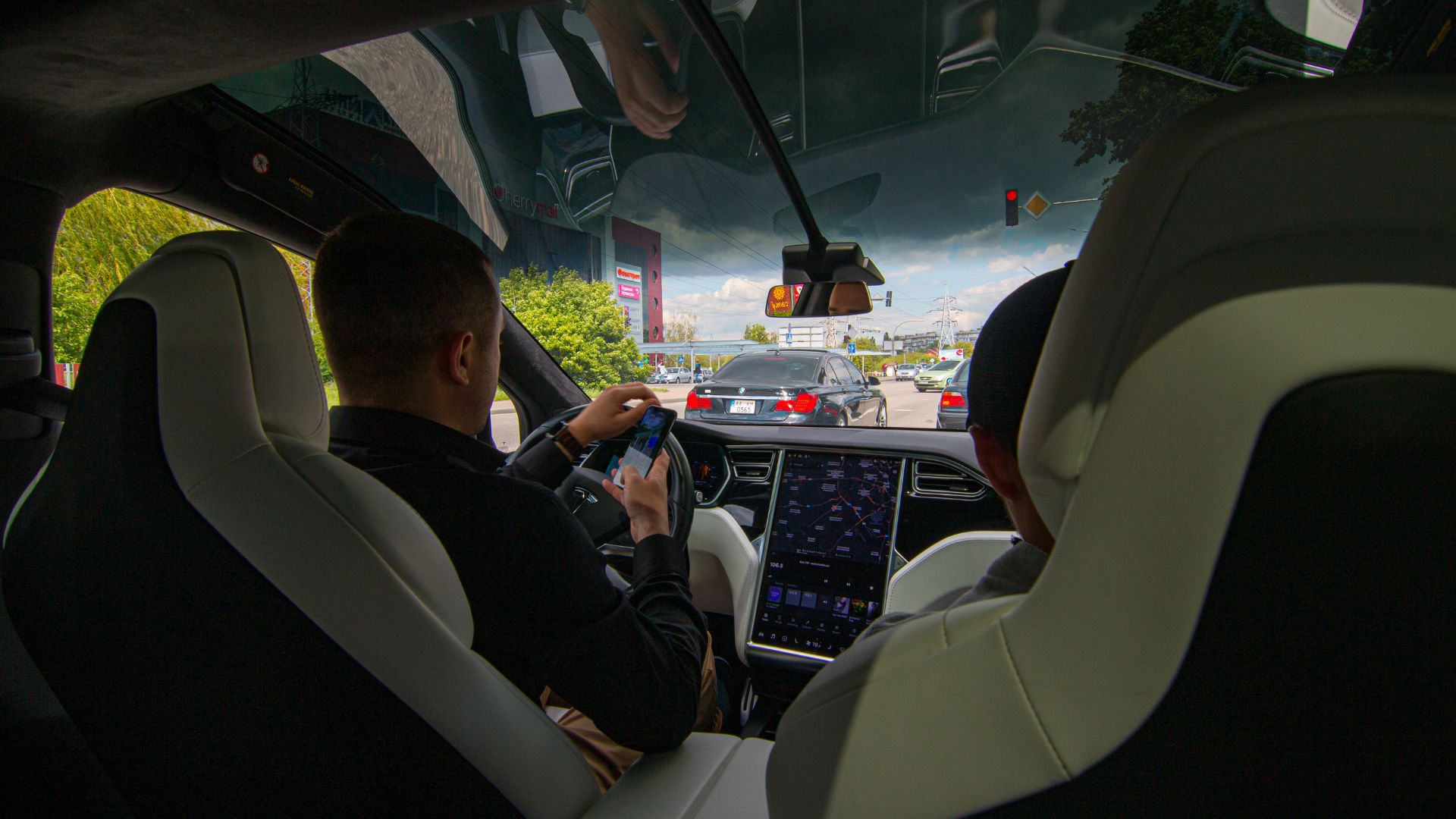
A crash near I-35, Loop 337, Walnut Avenue, Gruene Road, or a downtown pickup area can involve more than one insurance company. One adjuster may represent the rideshare driver. Another may speak for a separate driver. A rideshare policy may enter the claim only after proof shows that the driver used the app during the crash. Lopez Law Firm reviews those details before insurers shape the story in their own favor.
Why App Status Can Change Your Rideshare Injury Claim
App status can decide which policy applies after an Uber or Lyft crash. A driver with the app off may trigger a personal auto policy. A driver waiting for a ride request, traveling to a pickup, or carrying a passenger may create a different coverage path. That difference can matter greatly when injuries require hospital care, imaging, therapy, surgery, or time away from work.
This issue often creates confusion for injured passengers crashes. A rider may assume the rideshare company will handle everything, yet an insurer may argue that another policy should pay first. Rideshare accident lawyers in New Braunfels look for ride receipts, app screenshots, pickup confirmations, driver names, timestamps, and route records to prove what the driver was doing at the moment of impact.
How Trip Records Help Prove Coverage
Trip records can show when the driver accepted the ride, where the pickup began, and whether the trip remained active during the crash. These details help connect the collision to rideshare activity. They can also stop an insurer from claiming that the driver used the vehicle for personal reasons only.
For example, a passenger injured during a ride from Gruene to a hotel near I-35 may have an app receipt showing the route and fare. That record can support the claim when the driver’s insurer or rideshare insurer disputes coverage. Small digital details can become major evidence in a serious injury case.
What Passengers Should Save Right Away
Passengers should save the driver’s name, ride receipt, pickup address, destination, route map, fare record, and any app messages. Photos of vehicle damage, airbags, skid marks, injuries, and traffic signals can add useful context. Witness names and phone numbers may help later if the crash report misses key facts.
This evidence matters most during the first few days after the crash. Screenshots may become harder to locate later, and witnesses may forget details. Early preservation gives the claim a stronger starting point before insurance companies raise disputes.
Why Injury Documentation Must Tell The Full Story
Injury documentation must show more than the first medical bill. A strong rideshare claim connects the crash to symptoms, treatment, work limits, and daily restrictions. Insurance companies often look for gaps, vague complaints, or missing records to reduce claim value.
Medical records can show emergency care, imaging results, diagnoses, treatment referrals, therapy notes, and work restrictions. Still, they may not fully describe how pain affects sleep, driving, childcare, or job duties. Lopez Law Firm reviews the medical timeline with the client’s real-life limits so the claim reflects the full harm caused by the crash.
How Delayed Symptoms Affect Uber And Lyft Claims
Delayed symptoms often appear after rideshare crashes. A passenger may feel shaken at the scene, then develop neck pain, back pain, headaches, dizziness, or numbness later. Adrenaline can hide injuries during the first hours after impact.
Insurance companies may use delayed treatment against the injured person. They may argue that the injury came from another event or did not require serious care. Prompt medical evaluation helps create a clear timeline and protects both health and claim strength.
How Lopez Law Firm Builds Pressure On Insurers
Lopez Law Firm builds pressure by organizing evidence before insurance companies settle into denial positions. Principal attorney Steven A. Lopez and attorney Genesis Salinas-Longoria review app records, insurance details, crash facts, medical proof, and wage losses with a personal injury focus. This process helps injured clients avoid rushed decisions and weak settlement demands.
A strong claim does not depend on one document. It depends on a complete record that connects the rideshare trip, the driver’s conduct, the crash location, the injury, and the financial harm. That level of preparation can make a meaningful difference when an insurer disputes fault, delays coverage, or offers less than the claim deserves.
Why Lopez Law Firm Helps Rideshare Accident Victims in New Braunfels
A rideshare crash can create immediate problems with medical care, lost income, and insurance coverage. Uber and Lyft claims often involve disputes over app status, driver activity, and which policy should pay after the collision. Lopez Law Firm helps injured passengers, drivers, and families in New Braunfels review those issues early, before important evidence becomes harder to obtain.
Principal attorney Steven A. Lopez and attorney Genesis Salinas-Longoria handle rideshare accident claims with a focused personal injury approach built around the facts of the crash. Whether the collision happened near I-35, Loop 337, downtown New Braunfels, Gruene, or a crowded pickup area near restaurants and hotels, the claim should reflect how the injuries affect daily life, work, and long-term recovery. Lopez Law Firm reviews app records, crash reports, medical documentation, insurance disputes, and financial losses to build stronger rideshare injury claims from the start.
If you were hurt in an Uber or Lyft accident, call (210) 504-5222 today to speak with Lopez Law Firm about your situation. You can also contact us to discuss your legal options after a serious rideshare crash in New Braunfels.
Practice Areas
Trust Us With Your Personal Injury Claim
If you or a loved one have been injured, Lopez Law Firm will fight for you every step of the way. We will give our all to secure the compensation you rightfully deserve.



Contact usfor a free consultation.
Phone: (210) 504-5222