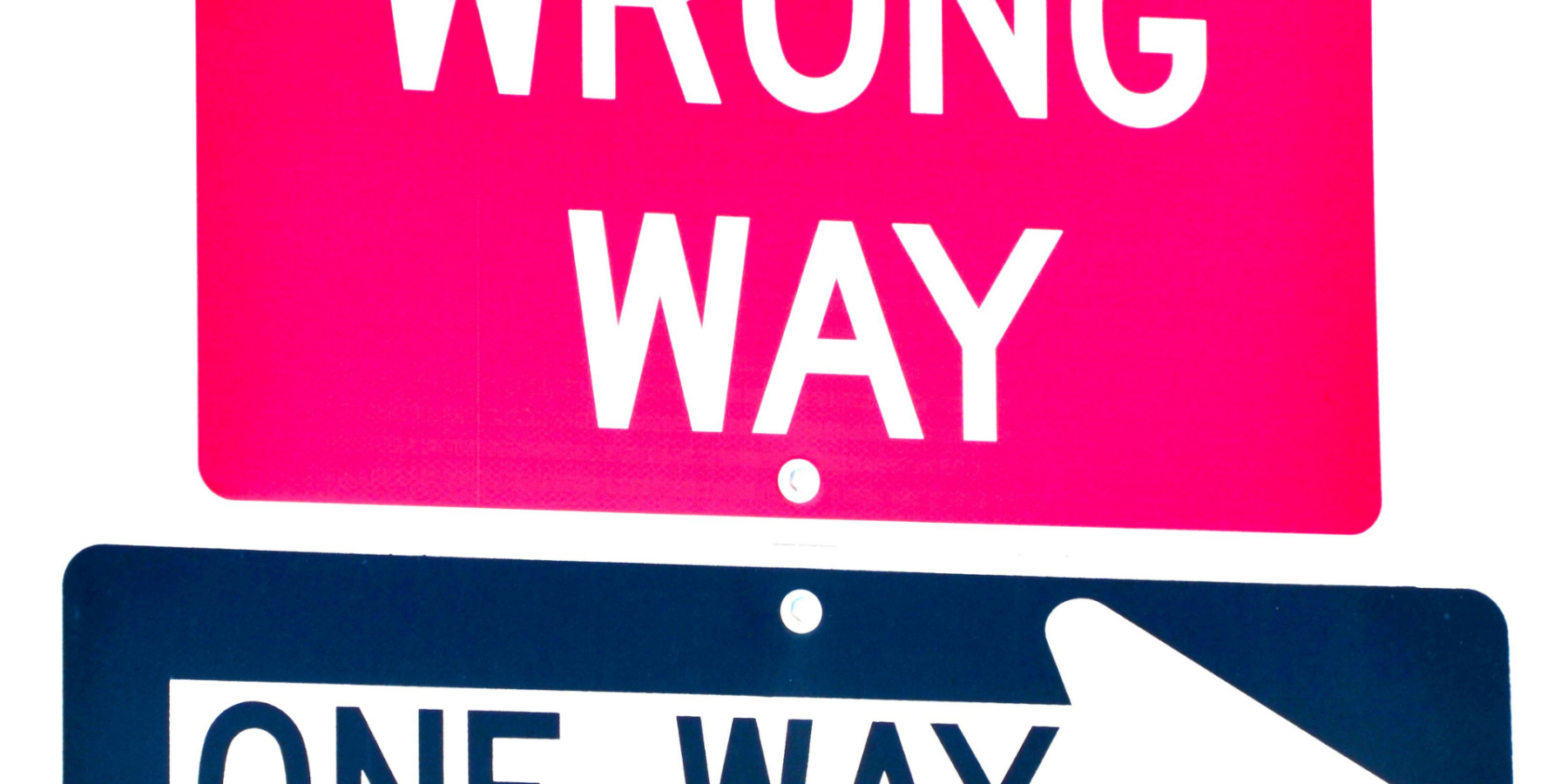
The Bexar County Medical Examiner has identified the second driver who died in the devastating wrong-way crash on Loop 410 in San Antonio, according to News 4 San Antonio. Authorities continue investigating the circumstances surrounding the collision as they work to determine exactly how the wrong-way crash occurred. Wrong-way accidents often happen at highway speeds, making them among the most catastrophic types of motor vehicle collisions. These crashes frequently result in life-changing injuries or fatalities while leaving families facing overwhelming emotional and financial challenges. Anyone affected by a serious wrong-way collision should understand their legal rights and the importance of preserving evidence while seeking accountability from those responsible.
The aftermath of a fatal or serious wrong-way accident can create significant financial hardship through medical expenses, lost income, funeral costs, and other unexpected losses. Lopez Law understands how difficult these situations become, and we remain committed to helping injured victims and grieving families pursue the compensation they deserve. We thoroughly investigate every accident, preserve critical evidence, work with qualified experts, and negotiate aggressively with insurance companies while protecting our clients’ interests. Our team provides compassionate guidance and dependable communication throughout every stage of the legal process because every client deserves dedicated representation during an incredibly challenging time. If you or your family has been affected by a serious wrong-way collision, call us at (210) 504-5222 today.

Why You Need a San Antonio Wrong-Way Car Crash Lawyer
Lopez Law understands the unique challenges involved in these devastating collisions, making a San Antonio wrong-way car crash lawyer an important advocate after a serious accident. We carefully investigate every aspect of the crash while gathering evidence that supports our clients’ claims for compensation. Additionally, we review police reports, witness statements, surveillance footage, accident reconstruction findings, medical records, and other critical evidence while identifying every potentially responsible party. We communicate directly with insurance companies so our clients can focus on recovery instead of navigating complicated legal issues. Every case receives personalized attention because wrong-way accident claims often involve catastrophic injuries, disputed liability, and significant financial damages. Our goal remains protecting our clients’ rights while pursuing the strongest possible financial recovery.
Wrong-way collision claims frequently require detailed investigations, extensive evidence collection, and careful legal analysis before liability can be fully established. Therefore, we document every loss while building each claim through thorough preparation and strategic advocacy. We remain available to answer questions while providing consistent updates throughout every stage of the legal process. Our commitment to responsive communication helps clients make informed decisions with greater confidence during an otherwise difficult time. We aggressively negotiate for fair compensation while remaining fully prepared to pursue litigation whenever necessary. We work diligently to help our clients obtain the financial recovery needed to move forward after a devastating collision.

How a San Antonio Car Accident Attorney Can Help After a Wrong-Way Collision
Wrong-way collisions often produce catastrophic injuries, extensive financial losses, and complicated legal issues that require careful investigation. These crashes frequently occur at highway speeds, increasing the likelihood of severe injuries, multiple vehicles, and disputed liability. Additionally, insurance companies often begin investigating immediately while gathering information to evaluate potential claims. Every wrong-way accident presents unique circumstances that deserve individualized legal analysis. Understanding how a San Antonio car accident attorney can help after a wrong-way collision allows injured individuals and their families to make informed decisions throughout the legal process.
Conducting a Thorough Investigation
Every successful injury claim begins with a detailed investigation into the circumstances surrounding the collision. Attorneys work to preserve evidence, identify contributing factors, and determine who may be legally responsible for the crash. Additionally, beginning the investigation early helps prevent valuable information from becoming unavailable over time. Thorough preparation creates a stronger foundation for negotiations and potential litigation. Every piece of evidence contributes to building a more complete case.
Reviewing the Accident Scene
The accident scene often contains valuable evidence explaining how the collision occurred. Investigators examine roadway conditions, skid marks, debris patterns, vehicle positions, traffic signs, and impact locations while documenting every relevant detail. These observations frequently support accident reconstruction and liability evaluations. Careful documentation strengthens the overall investigation.
Physical Evidence Helps Explain the Collision
Roadway evidence often provides objective information regarding vehicle movements and impact dynamics. Early documentation preserves these important details before conditions change.
Examining Police Reports
Law enforcement officers frequently gather important information immediately after responding to a wrong-way collision. Attorneys review police reports alongside photographs, witness statements, and other available evidence while identifying areas requiring additional investigation. Independent analysis sometimes uncovers facts not fully addressed during the initial investigation. Thorough evaluations strengthen liability determinations.
Official Reports Begin the Investigation
Police reports provide an important starting point for understanding the collision. Additional evidence often creates a more complete picture of what occurred.
Interviewing Witnesses
Independent witnesses often provide valuable observations regarding vehicle speeds, traffic conditions, driver behavior, and the sequence of events before impact. Attorneys interview witnesses while memories remain fresh and compare their accounts with physical evidence. Reliable testimony frequently supports accident reconstruction and liability findings. Prompt interviews preserve important details.
Witness Accounts Become More Valuable Early
Memories naturally fade as time passes after a traumatic event. Early interviews often produce more accurate and detailed information.
Identifying Every Potentially Responsible Party
Wrong-way collisions sometimes involve more than one legally responsible party. Although another driver may appear primarily responsible, additional individuals or organizations occasionally contribute to the circumstances leading to the crash. Additionally, identifying every liable party helps maximize the financial resources available for compensation. Comprehensive investigations examine every possible source of liability. Thorough evaluations strengthen personal injury claims.
Evaluating Driver Negligence
Attorneys review whether another driver acted negligently by driving while impaired, distracted, fatigued, or otherwise violating traffic laws. Wrong-way collisions frequently result from unsafe driving decisions that place everyone on the roadway at significant risk. Careful investigations determine how these actions contributed to the accident. Strong evidence supports liability determinations.
Driver Conduct Often Determines Liability
Unsafe driving behaviors frequently create the conditions leading to catastrophic collisions. Every contributing action deserves careful evaluation.
Investigating Commercial Vehicle Involvement
Some wrong-way collisions involve commercial trucks, delivery vehicles, or company-owned automobiles operating during business activities. These cases often require reviewing employer policies, maintenance records, driver qualifications, and commercial insurance coverage. Employers or business entities may share legal responsibility under certain circumstances. Comprehensive investigations identify every potentially liable party.
Business Liability May Apply
Commercial vehicle cases often involve legal issues extending beyond the individual driver. Careful investigation helps identify every available source of recovery.
Evaluating Roadway Conditions
Roadway design, construction zones, missing signs, poor lighting, or confusing traffic patterns occasionally contribute to wrong-way accidents. Attorneys evaluate whether roadway conditions may have played a role alongside driver negligence. Additional investigations sometimes identify hazards requiring further review. Comprehensive evaluations strengthen complicated cases.
Environmental Factors May Influence Liability
Road conditions sometimes contribute to serious highway collisions. Every contributing circumstance deserves careful consideration.
Preserving Critical Evidence
Evidence often determines the strength of a wrong-way accident claim. Physical evidence, electronic records, surveillance footage, and witness testimony may become unavailable if preservation efforts do not begin promptly. Additionally, damaged vehicles frequently contain valuable information regarding the mechanics of the collision. Early action helps protect important evidence before changes occur. Prompt preservation frequently strengthens the overall case.
Documenting Vehicle Damage
Vehicle damage often provides valuable information regarding impact angles, collision forces, speed, and occupant movement. Attorneys arrange detailed inspections and photographs before repairs begin whenever possible. Preserved vehicle damage frequently supports accident reconstruction efforts later. Careful documentation benefits every stage of the claim.
Vehicle Inspections Protect Important Evidence
Repairing damaged vehicles too quickly may eliminate valuable physical evidence. Early inspections preserve critical information.
Obtaining Electronic Vehicle Data
Many modern vehicles contain event data recorders that capture operational information immediately before a collision. These systems often record braking activity, speed, steering inputs, and other valuable information. Attorneys work to preserve this data before it becomes unavailable. Electronic evidence frequently provides objective support during liability investigations.
Digital Information Supports Technical Analysis
Electronic records often clarify disputed facts surrounding serious collisions. Objective data strengthens accident reconstruction efforts.
Securing Video Evidence
Traffic cameras, nearby businesses, residential security systems, and dashboard cameras sometimes capture valuable footage before or during a wrong-way collision. Many recording systems automatically overwrite older files after a short period. Prompt preservation requests improve the likelihood of obtaining these recordings. Video evidence often becomes one of the strongest forms of proof.
Surveillance Footage May Be Temporary
Many digital recording systems retain information only briefly. Acting quickly often protects valuable evidence.
Managing Insurance Company Communications
Insurance companies often begin investigating serious accidents immediately after receiving notice of a claim. Attorneys communicate with insurance representatives while protecting injured individuals from unnecessary misunderstandings or unfair settlement tactics. Additionally, organized communication often improves the efficiency of the claims process. Careful preparation helps avoid costly mistakes. Every interaction may influence the outcome of the case.
Reviewing Settlement Offers
Insurance companies sometimes present settlement offers before the full extent of injuries and future losses becomes known. Attorneys carefully compare each proposal against documented damages while considering long-term medical needs and financial consequences. Comprehensive evaluations help determine whether an offer reflects the true value of the claim. Careful review supports informed decision-making.
Early Offers May Not Be Enough
Serious injuries frequently require ongoing treatment and rehabilitation. Complete evaluations help account for future financial needs before accepting a settlement.
Responding to Information Requests
Insurance adjusters frequently request medical records, recorded statements, employment information, and additional documentation. Attorneys review these requests while ensuring appropriate information is provided without creating unnecessary complications. Organized communication often reduces disputes throughout the claims process. Careful oversight protects the injured person’s interests.
Accurate Communication Supports Stronger Claims
Providing complete and organized information strengthens negotiations while reducing misunderstandings. Careful preparation benefits the entire claims process.
Calculating the Full Value of Damages
Wrong-way collisions frequently result in catastrophic injuries requiring extensive medical treatment and long-term financial support. Attorneys evaluate every category of damages while considering both immediate and future losses resulting from the accident. Additionally, comprehensive evaluations help ensure important damages are not overlooked during settlement discussions. Accurate calculations strengthen compensation requests. Every loss deserves careful documentation.
Evaluating Economic Damages
Economic damages often include medical bills, rehabilitation expenses, lost wages, future earning capacity, and property damage resulting from the collision. Attorneys verify these losses using employment records, medical documentation, invoices, and financial information. Accurate calculations establish a strong foundation for negotiations. Comprehensive evaluations strengthen every claim.
Future Financial Losses Require Careful Planning
Serious injuries often affect future employment opportunities and ongoing medical needs. Long-term financial planning helps account for these continuing losses.
Assessing Non-Economic Damages
Wrong-way collisions often affect every aspect of a person’s daily life beyond measurable financial losses. Attorneys evaluate physical pain, emotional distress, permanent disabilities, reduced mobility, and diminished quality of life using supporting evidence. These personal losses frequently represent a substantial portion of total compensation. Careful documentation creates a more complete claim.
Lasting Injuries Affect Everyday Living
Permanent injuries may continue affecting work, family life, and personal independence for many years. Comprehensive evidence helps explain these continuing hardships.
Preparing Every Case for Litigation
Although many personal injury claims resolve through settlement negotiations, preparing every case for trial strengthens the client’s position from the beginning. Attorneys organize evidence, prepare witnesses, consult qualified experts, and develop persuasive legal arguments supporting the claim. Additionally, insurance companies often recognize when a case has been prepared thoroughly for litigation. Strong preparation frequently encourages more productive settlement discussions. Remaining ready for trial protects the injured person’s interests throughout the legal process.
Working With Qualified Experts
Serious wrong-way accident cases often require accident reconstruction specialists, medical professionals, engineers, and financial experts to explain complicated issues. Their objective opinions frequently clarify technical evidence while strengthening important aspects of the claim. Expert testimony provides additional credibility during negotiations and courtroom proceedings. Comprehensive analysis benefits the overall case.
Expert Testimony Explains Complex Issues
Qualified experts help judges, juries, and insurance companies better understand technical evidence. Clear explanations strengthen legal arguments.
Building a Trial-Ready Case
Attorneys prepare medical records, accident reports, expert opinions, witness testimony, financial documentation, photographs, and demonstrative exhibits long before trial begins. Organized preparation allows every aspect of the case to be presented clearly and effectively. Every detail receives careful attention throughout litigation. Thorough preparation strengthens both settlement negotiations and courtroom presentations.
Preparation Creates Negotiating Strength
Insurance companies often evaluate how prepared a case appears before making settlement decisions. Strong preparation frequently improves opportunities for meaningful financial recovery.
How Accident Reconstruction Supports a San Antonio Wrong-Way Crash Case
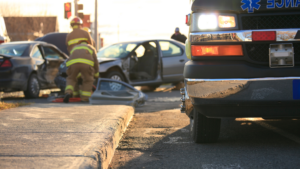
Accident reconstruction often plays a critical role in determining how a serious wrong-way collision occurred and who may be legally responsible. These investigations rely upon scientific analysis, physical evidence, vehicle data, and engineering principles to recreate the sequence of events leading to the crash. Additionally, reconstruction experts frequently provide objective findings that help clarify disputed facts during insurance negotiations and litigation. Every wrong-way collision presents unique circumstances requiring careful technical evaluation. Understanding how accident reconstruction supports a San Antonio wrong-way crash case helps injured individuals appreciate the importance of preserving evidence immediately after a serious accident.
What Is Accident Reconstruction?
Accident reconstruction is the process of scientifically analyzing a collision using available evidence to determine how the accident most likely occurred. Reconstruction specialists examine physical evidence, vehicle damage, roadway conditions, electronic data, and witness testimony while applying engineering and physics principles. Their goal is to develop an objective explanation supported by measurable facts rather than assumptions. These evaluations frequently become valuable during both settlement negotiations and courtroom proceedings. Thorough reconstruction often strengthens complex injury claims.
Scientific Analysis Drives the Investigation
Accident reconstruction relies upon mathematics, engineering, vehicle dynamics, and physics to evaluate how a collision developed. Experts carefully analyze measurable evidence while avoiding speculation about the circumstances surrounding the crash. Objective findings often provide greater credibility than unsupported opinions. Scientific evaluations strengthen liability determinations.
Objective Evidence Builds Stronger Cases
Scientific analysis helps explain how a collision occurred using measurable facts. Objective findings frequently support more persuasive legal arguments.
Every Collision Requires Individual Analysis
No two wrong-way accidents involve identical circumstances or evidence. Reconstruction specialists evaluate every collision independently while considering roadway conditions, vehicle movements, environmental factors, and available documentation. Careful analysis produces conclusions specific to each accident. Individualized evaluations improve overall accuracy.
Every Detail Matters
Small differences in roadway conditions or vehicle movements may significantly influence reconstruction findings. Comprehensive investigations examine every available fact.
Examining the Accident Scene
The accident scene often provides valuable physical evidence explaining how the collision occurred. Reconstruction specialists document roadway conditions before weather, traffic, or cleanup efforts alter important details. Additionally, careful scene analysis frequently reveals information unavailable through witness testimony alone. Every observation contributes to understanding the sequence of events. Thorough documentation strengthens the overall investigation.
Evaluating Skid Marks and Tire Evidence
Skid marks often reveal braking activity, vehicle direction, speed changes, and driver reactions before impact. Reconstruction specialists measure these markings while comparing them with vehicle damage and roadway conditions. These calculations frequently clarify how drivers responded immediately before the collision. Accurate measurements support reliable conclusions.
Tire Marks Tell an Important Story
Roadway markings often preserve valuable evidence regarding vehicle movement. Careful measurements improve reconstruction accuracy.
Analyzing Debris Patterns
Debris scattered across the roadway frequently helps identify impact locations and vehicle travel paths after a collision. Experts document debris distribution while comparing it with other physical evidence collected at the scene. These observations often confirm or challenge witness statements. Comprehensive evaluations strengthen liability findings.
Debris Helps Identify Impact Points
The location of vehicle parts and roadway debris frequently supports accident reconstruction. Early documentation protects this valuable evidence.
Documenting Roadway Conditions
Roadway design, lighting, weather conditions, lane markings, signage, and construction zones sometimes contribute to wrong-way collisions. Reconstruction specialists carefully document these environmental conditions before changes occur. These observations help explain factors influencing driver decisions. Thorough evaluations create a more complete understanding of the accident.
Environmental Factors Influence Vehicle Movement
Road conditions may affect visibility, braking distances, and driver reactions. Comprehensive documentation supports accurate technical analysis.
Evaluating Vehicle Damage
Vehicle damage often provides valuable information regarding collision forces, impact angles, vehicle orientation, and rollover dynamics. Reconstruction specialists examine every damaged area while comparing vehicle conditions with roadway evidence. Additionally, detailed inspections frequently reveal important information unavailable through photographs alone. Preserving damaged vehicles before repairs begin remains essential. Vehicle examinations strengthen accident investigations.
Determining Points of Impact
Damage patterns help experts identify where vehicles first made contact during the collision. Understanding impact locations often clarifies vehicle positions immediately before the crash. Careful analysis supports liability evaluations and accident reconstruction. Every damaged component contributes valuable information.
Damage Patterns Reveal Collision Dynamics
Vehicle damage often reflects how the collision unfolded. Thorough inspections strengthen technical conclusions.
Measuring Collision Forces
The severity and direction of vehicle damage help experts estimate collision forces involved during impact. These evaluations assist in understanding occupant movement, injury mechanisms, and vehicle behavior throughout the crash sequence. Scientific analysis supports objective findings. Technical evaluations improve reconstruction accuracy.
Force Analysis Supports Injury Evaluations
Understanding collision forces helps explain how serious injuries occurred. Engineering analysis strengthens overall case preparation.
Reviewing Electronic Vehicle Data
Modern vehicles often contain electronic systems recording operational information immediately before a collision. Event data recorders frequently capture braking activity, steering inputs, vehicle speed, throttle position, and seat belt usage. Additionally, commercial vehicles may contain GPS records or fleet management information useful during investigations. Preserving these electronic records early remains extremely important. Digital evidence often provides objective support during liability disputes.
Event Data Recorders
Many vehicles contain onboard systems commonly called black boxes that preserve important operational information before a collision. Reconstruction specialists download and analyze this data while comparing it with physical evidence collected from the scene. Objective electronic records frequently clarify disputed facts. Digital information strengthens accident reconstruction.
Electronic Data Supports Scientific Conclusions
Vehicle computers often record information unavailable through witness testimony alone. Objective data strengthens technical evaluations.
GPS and Navigation Information
Navigation systems and GPS records sometimes document vehicle location, travel direction, speed, and route history before a collision. Reconstruction specialists compare this information with other available evidence while evaluating how the wrong-way accident developed. Electronic timelines frequently improve investigative accuracy. Careful analysis strengthens liability determinations.
Travel Records Clarify Vehicle Movement
GPS information often confirms where vehicles traveled before impact. Digital records support comprehensive investigations.
Reviewing Witness Statements
Witness testimony often provides valuable context regarding vehicle movements, traffic conditions, and driver behavior before a wrong-way collision. Reconstruction specialists compare witness accounts with physical evidence and electronic records to identify consistencies or discrepancies. Additionally, multiple witness perspectives sometimes clarify events unavailable through other evidence alone. Careful analysis improves the reliability of reconstruction findings. Every statement deserves thoughtful evaluation.
Comparing Multiple Accounts
Witnesses sometimes observe different portions of a collision depending upon their location and perspective. Reconstruction specialists compare these accounts while identifying areas of agreement and inconsistency. Consistent testimony often strengthens factual conclusions. Comprehensive review improves investigative accuracy.
Multiple Perspectives Improve Understanding
Different witnesses often provide complementary observations. Combined testimony creates a more complete picture of the collision.
Testing Statements Against Physical Evidence
Witness recollections remain valuable, but they should also be evaluated alongside objective physical evidence. Reconstruction specialists compare testimony with vehicle damage, roadway markings, and electronic records before reaching conclusions. Objective verification strengthens the overall investigation. Scientific analysis supports reliable findings.
Evidence Confirms Witness Observations
Physical evidence often verifies important details described by witnesses. Objective confirmation improves credibility.
Working With Engineering and Safety Experts
Complex wrong-way collisions sometimes require assistance from engineers and other specialized professionals. These experts evaluate roadway design, vehicle mechanics, traffic control devices, and safety systems while contributing technical knowledge to the reconstruction process. Additionally, specialized expertise often clarifies complicated liability issues. Comprehensive evaluations strengthen complex injury claims. Collaboration improves the overall investigation.
Roadway Engineering Evaluations
Engineers sometimes examine highway design, interchange layouts, entrance ramps, signage placement, and roadway lighting while evaluating factors contributing to a wrong-way collision. Their findings may identify safety concerns affecting driver navigation. Technical analysis provides additional insight into complicated accident scenarios. Engineering evaluations strengthen case preparation.
Highway Design May Influence Driver Behavior
Roadway configuration sometimes contributes to wrong-way entry. Engineering analysis helps identify these potential issues.
Vehicle Engineering Analysis
Mechanical engineers may inspect steering systems, braking components, tires, lighting systems, and other vehicle equipment when mechanical failure becomes a possible issue. Technical evaluations determine whether equipment performance influenced the collision. Detailed inspections support comprehensive investigations. Objective findings improve liability evaluations.
Mechanical Inspections Clarify Vehicle Performance
Vehicle systems should function properly under normal operating conditions. Engineering reviews identify possible mechanical concerns.
Presenting Reconstruction Findings
Accident reconstruction findings often become valuable during settlement negotiations, mediation, and courtroom proceedings. Experts prepare reports, diagrams, computer models, and visual presentations explaining how the collision occurred using objective evidence. Additionally, these materials frequently help judges, juries, insurance companies, and opposing parties better understand complicated accident scenarios. Clear presentations improve the effectiveness of technical evidence. Strong reconstruction findings often strengthen serious injury claims.
Preparing Technical Reports
Reconstruction specialists organize their findings into detailed written reports explaining the evidence reviewed, methods applied, and conclusions reached. These reports provide a structured explanation supported by scientific analysis. Organized documentation strengthens legal presentations. Detailed reports improve communication throughout the case.
Clear Reports Improve Understanding
Well-prepared reports explain complicated technical issues in an organized manner. Clear documentation supports stronger legal arguments.
Creating Visual Demonstrations
Diagrams, animations, photographs, and computer-generated models often help explain complex accident sequences more effectively than words alone. Visual presentations illustrate vehicle movements, impact locations, and roadway conditions while supporting expert testimony. These materials improve understanding during negotiations and trial. Effective demonstrations strengthen accident reconstruction evidence.
Visual Evidence Simplifies Complex Events
Illustrations often make technical information easier to understand. Clear visual presentations support persuasive accident reconstruction findings.
Contact an Experienced San Antonio Wrong-Way Car Crash Lawyer Today
Recovering after a serious wrong-way accident often requires experienced legal guidance and a clear understanding of your rights under Texas law. Lopez Law helps injured individuals and grieving families pursue compensation for medical expenses, lost wages, pain and suffering, property damage, wrongful death damages, and other accident-related losses. We carefully evaluate every case while developing legal strategies tailored to each client’s unique circumstances and long-term recovery goals. Our attorneys remain committed to protecting our clients’ interests while providing dependable communication throughout the legal process. Every client deserves experienced legal representation focused on achieving the best possible outcome.
Taking prompt legal action often preserves valuable evidence while strengthening your claim before important information becomes unavailable. We remain prepared to investigate your accident thoroughly while handling communications and negotiations with insurance companies on your behalf. Our team works diligently to pursue the financial recovery needed to support your recovery and future financial stability after a serious collision. We understand the challenges accident victims and their families face, and we remain committed to protecting your rights every step of the way. Call us at (210) 504-5222 or reach out online today to schedule your free consultation.
Contact usfor a free consultation.
Phone: (210) 504-5222