
A teenager suffered catastrophic head injuries after reportedly falling from a moving vehicle during celebrations following a San Antonio Spurs playoff victory, according to People coverage. Reports indicate the incident occurred while fans gathered to celebrate the team’s success, resulting in severe trauma that ultimately led to the teenager being declared brain dead. The tragic event highlights how quickly a moment of excitement can turn into a life-altering emergency for victims and their families. Serious head injuries often require immediate medical intervention and may result in permanent physical, cognitive, and emotional consequences. Incidents involving traumatic brain injuries frequently leave families facing uncertainty about medical care, financial obligations, and the long-term effects of the injury.
When a traumatic brain injury occurs because of another party’s negligence, victims and their loved ones may have legal options available to help address the challenges ahead. Medical treatment, rehabilitation services, lost income, and ongoing care needs can create substantial financial burdens over time. Additionally, families often struggle to navigate insurance claims while focusing on a loved one’s recovery. Understanding your legal rights can be an important step toward protecting your future and pursuing compensation for accident-related losses. If you or a family member suffered a serious head injury in an accident, Lopez Law can help evaluate your situation and explain your legal options. Call us at (210) 504-5222 to discuss your case with an experienced legal professional today.
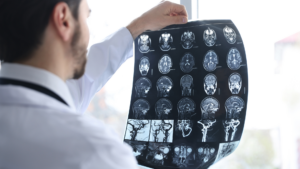
How a San Antonio Traumatic Brain Injury Lawyer Makes a Difference After a Serious Accident
At Lopez Law, we understand that a San Antonio traumatic brain injury lawyer can play a critical role when victims face the devastating consequences of a serious accident. Traumatic brain injuries often require extensive medical treatment, specialized rehabilitation, and long-term care that can place enormous pressure on families. We help our clients understand their legal rights while investigating the circumstances surrounding the accident and identifying potential sources of compensation. Our team works diligently to gather evidence, evaluate damages, and build strong claims designed to reflect the full impact of the injury. We remain committed to providing personalized guidance while helping clients navigate complex legal and insurance matters during a difficult time.
We recognize that traumatic brain injuries can affect every aspect of a person’s life, including employment, education, relationships, and daily functioning. Therefore, we work closely with clients and their families to understand the challenges they face both now and in the future. We pursue compensation for medical expenses, rehabilitation costs, lost earnings, pain and suffering, and other damages whenever applicable. Throughout the legal process, we provide responsive communication and dedicated advocacy tailored to each client’s unique circumstances. Our goal is to help injured individuals secure the resources they need while allowing them to focus on recovery and long-term well-being.
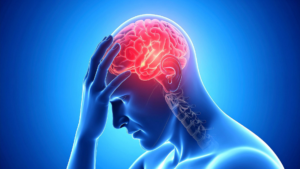
Common Challenges Traumatic Brain Injury Victims Face in San Antonio
A traumatic brain injury can affect nearly every area of a person’s life long after the initial accident occurs. While some victims recover over time, others experience lasting physical, cognitive, emotional, and financial challenges. These difficulties often create uncertainty for both victims and their families as they adjust to new circumstances. Additionally, the effects of a brain injury may continue evolving throughout the recovery process. Understanding these challenges helps illustrate why traumatic brain injuries frequently require extensive support and resources.
Cognitive Difficulties Can Affect Everyday Activities
Many traumatic brain injury victims experience changes in cognitive functioning that interfere with daily responsibilities. Tasks that once seemed routine may become more difficult due to memory issues, reduced concentration, or impaired decision-making abilities. These challenges can affect work performance, educational goals, and personal independence. Furthermore, cognitive symptoms may fluctuate throughout recovery, creating additional frustration for victims. Recognizing these limitations helps families better understand the long-term impact of a brain injury.
Memory and Concentration Challenges
Memory problems often represent one of the most common consequences of traumatic brain injuries. Victims may struggle to remember appointments, conversations, important deadlines, or everyday tasks. Additionally, concentration difficulties can make it challenging to complete work assignments or participate in normal activities. These cognitive limitations may affect both personal and professional responsibilities. As a result, many individuals require ongoing support while adapting to these changes.
Decision-Making and Problem-Solving Difficulties
Brain injuries can affect a person’s ability to process information and make decisions effectively. Situations that previously required little effort may suddenly become overwhelming or confusing. Victims may experience difficulty evaluating options, managing finances, or handling complex responsibilities. These challenges can significantly affect independence and quality of life. Proper treatment and rehabilitation often focus on helping individuals improve these important skills.
Emotional Changes May Impact Relationships
Traumatic brain injuries frequently affect emotional well-being in addition to physical and cognitive functioning. Many victims experience emotional changes that influence relationships with family members, friends, and coworkers. These challenges may develop gradually and become more noticeable as recovery progresses. Understanding the emotional effects of brain injuries can help families provide meaningful support. Emotional recovery often remains an important component of the overall healing process.
Anxiety, Depression, and Mood Changes
Many traumatic brain injury victims experience increased anxiety, depression, or mood instability following an accident. These emotional symptoms may result from both the injury itself and the challenges associated with recovery. Feelings of frustration and uncertainty often accompany major lifestyle changes caused by a brain injury. Additionally, emotional struggles can affect motivation and participation in rehabilitation programs. Professional treatment may help address these concerns and support long-term recovery.
Changes in Social Interactions
Brain injuries sometimes affect communication skills and social behavior. Victims may find it more difficult to engage in conversations, maintain relationships, or participate in social activities. These challenges can lead to feelings of isolation and reduced self-confidence. Family members may also need time to adjust to changes in personality or behavior. Addressing social difficulties often plays an important role in rehabilitation efforts.
Physical Symptoms Can Persist for Years
Although many people associate traumatic brain injuries primarily with cognitive issues, physical symptoms can also create substantial challenges. Some victims continue experiencing symptoms long after the initial injury occurred. These physical effects may interfere with employment, recreation, and everyday responsibilities. Ongoing medical treatment often focuses on managing these symptoms effectively. Long-term physical challenges frequently contribute to reduced quality of life.
Headaches, Dizziness, and Fatigue
Persistent headaches remain one of the most commonly reported symptoms following a traumatic brain injury. Victims may also experience dizziness, balance problems, and ongoing fatigue that affect daily functioning. These symptoms can make routine activities more difficult and exhausting. Additionally, they may interfere with a person’s ability to work or participate in social events. Proper medical care often focuses on reducing the severity of these symptoms.
Sensory and Coordination Issues
Some traumatic brain injuries affect vision, hearing, coordination, or sensory processing. Victims may become more sensitive to light, noise, or crowded environments. Others experience balance difficulties that increase the risk of falls and additional injuries. These physical challenges often require specialized treatment and rehabilitation services. Managing these symptoms may remain an ongoing part of recovery.
Loss of Independence Creates Additional Challenges
Many traumatic brain injury victims experience limitations that affect their ability to live independently. Everyday activities may require assistance from family members, caregivers, or healthcare professionals. These changes often create emotional and financial stress for both victims and their loved ones. Additionally, adapting to reduced independence can be difficult for individuals who previously managed all aspects of their lives without assistance. Support systems frequently play a vital role during this transition.
Adapting to New Limitations
Adjusting to physical, cognitive, or emotional limitations can be one of the most difficult aspects of recovery. Victims often need to modify routines and develop new strategies for completing everyday tasks. These adjustments may affect employment, transportation, and personal responsibilities. Over time, many individuals learn to navigate these challenges with appropriate support and resources. Adaptation often becomes an important part of the recovery journey.
Family Members Often Face Challenges as Well
Traumatic brain injuries frequently affect entire families rather than just the injured individual. Loved ones may assume caregiving responsibilities while helping manage medical appointments and daily needs. These additional responsibilities can create emotional strain and financial pressure. Family support often plays a critical role in a victim’s recovery process. Understanding these challenges highlights the far-reaching impact of serious brain injuries.

Why Traumatic Brain Injuries Often Require Long-Term Medical Care in San Antonio
Traumatic brain injuries can create complex medical challenges that extend far beyond the initial emergency response. While some individuals recover relatively quickly, many require ongoing treatment for months or years after an accident. The brain plays a critical role in nearly every bodily function, which means injuries can affect physical health, cognition, emotions, and behavior simultaneously. As a result, recovery often involves multiple healthcare providers and specialized treatment plans. Long-term medical care helps address evolving symptoms while supporting the best possible recovery outcomes.
Immediate Medical Treatment Is Only the Beginning
Emergency treatment focuses on stabilizing a victim and preventing further injury following a traumatic brain injury. However, the recovery process often continues long after hospital discharge. Many symptoms become more noticeable during the weeks and months following the accident. Additionally, healthcare providers may identify complications that require ongoing monitoring and treatment. Early medical intervention represents only the first stage of a much longer recovery journey.
Monitoring Recovery Progress
Medical professionals frequently monitor brain injury victims to evaluate changes in symptoms and overall functioning. Follow-up appointments allow doctors to assess recovery progress and adjust treatment plans when necessary. This ongoing evaluation helps identify new concerns before they become more serious. Consistent monitoring also provides valuable information regarding long-term prognosis. Regular medical oversight often remains an important part of successful recovery.
Addressing Delayed Symptoms
Some traumatic brain injury symptoms do not appear immediately after an accident. Cognitive difficulties, emotional changes, and physical complications may emerge gradually over time. These delayed symptoms can affect treatment recommendations and recovery expectations. Ongoing medical care helps ensure healthcare providers identify and address these issues appropriately. Early recognition often improves treatment effectiveness.
Rehabilitation Often Plays a Critical Role
Rehabilitation helps many traumatic brain injury victims regain skills and improve daily functioning. Recovery frequently requires a coordinated effort involving multiple specialists and treatment approaches. These services focus on helping individuals adapt to challenges while maximizing independence. Additionally, rehabilitation often addresses both short-term and long-term recovery goals. Comprehensive treatment plans can support meaningful improvements over time.
Physical Therapy and Mobility Improvement
Physical therapy helps victims improve strength, balance, coordination, and overall mobility following a brain injury. Many individuals experience physical limitations that affect their ability to perform everyday activities safely. Structured therapy programs focus on restoring function and reducing complications. These services may continue for extended periods depending on the severity of the injury. Ongoing therapy often contributes significantly to recovery.
Occupational and Cognitive Therapy
Occupational therapy helps individuals regain practical skills necessary for daily living and employment. Cognitive therapy focuses on improving memory, attention, problem-solving abilities, and other mental functions. Together, these treatments address challenges that commonly follow traumatic brain injuries. Progress may occur gradually and require substantial commitment from both patients and providers. Long-term participation often supports better outcomes.
Some Victims Require Lifelong Care
Severe traumatic brain injuries can create permanent impairments that affect individuals indefinitely. In these situations, long-term medical care may remain necessary throughout a person’s life. Ongoing treatment helps manage symptoms and improve overall quality of life. Additionally, lifelong care often includes assistance from multiple healthcare professionals and support services. Planning for future needs becomes especially important in severe cases.
Managing Chronic Symptoms
Certain symptoms may persist despite extensive treatment and rehabilitation efforts. Chronic headaches, fatigue, cognitive difficulties, and emotional challenges can continue affecting daily life for years. Ongoing medical care helps address these issues while improving symptom management. Consistent treatment often enhances comfort and overall functioning. Long-term support remains important for many brain injury survivors.
Coordinating Multiple Forms of Care
Victims with severe traumatic brain injuries often require treatment from various specialists. Neurologists, therapists, rehabilitation providers, psychologists, and primary care physicians may all contribute to recovery efforts. Coordinating these services helps ensure treatment remains comprehensive and effective. This multidisciplinary approach often improves long-term outcomes. Continued collaboration among providers supports more consistent care.
Future Medical Needs Can Affect Financial Stability
The long-term costs associated with traumatic brain injuries can become substantial over time. Medical appointments, therapy sessions, medications, assistive devices, and specialized care often create ongoing expenses. These costs may continue long after an accident-related claim initially arises. Understanding future treatment needs helps victims and families prepare for potential financial challenges. Accurate planning often plays an important role in both medical and legal decision-making.
Accounting for Future Treatment Expenses
Healthcare providers often evaluate anticipated treatment requirements when developing long-term recovery plans. These projections help estimate future costs associated with medical care and rehabilitation. Understanding these expenses allows victims to better prepare for upcoming financial obligations. Additionally, projected treatment costs frequently become important considerations in personal injury claims. Comprehensive planning helps ensure future needs receive appropriate attention.
Supporting Long-Term Recovery Goals
Recovery from a traumatic brain injury often involves ongoing effort and continued medical support. Long-term care helps individuals pursue meaningful improvements in health, independence, and quality of life. While every recovery journey differs, consistent treatment can contribute to better outcomes over time. Access to appropriate medical resources remains critical throughout this process. Continued support helps many victims adapt successfully to the challenges they face.

How Car Accident Attorneys in San Antonio Provide Support After Traumatic Brain Injuries Create Disruption
Traumatic brain injuries often affect far more than a victim’s immediate physical health. These injuries can disrupt employment, education, family relationships, and everyday activities for months or even years. Additionally, many victims face mounting medical expenses while attempting to adjust to significant lifestyle changes. Car accident attorneys help individuals navigate these challenges by providing legal guidance and pursuing compensation for accident-related losses. Their support often allows victims and families to focus more fully on recovery while important legal matters receive proper attention.
Helping Families Understand the Full Impact of a Traumatic Brain Injury
The effects of a traumatic brain injury may not become fully apparent immediately after an accident. Some symptoms develop gradually and continue affecting victims long after initial treatment concludes. Attorneys work to understand how these injuries influence every aspect of a person’s life. This comprehensive approach helps ensure claims reflect both current and future challenges. Evaluating the full impact of an injury often strengthens the overall case.
Recognizing Cognitive and Behavioral Changes
Traumatic brain injuries can affect memory, concentration, decision-making, and emotional regulation. These challenges may interfere with employment responsibilities, educational goals, and personal relationships. Attorneys often review medical records and professional evaluations to understand these effects thoroughly. Documenting cognitive changes helps demonstrate the true consequences of the injury. This information frequently plays an important role when calculating damages.
Evaluating Long-Term Lifestyle Disruptions
Many traumatic brain injury victims experience limitations that affect their independence and quality of life. Activities that once seemed routine may become difficult or impossible to perform without assistance. Attorneys consider these changes when assessing the overall impact of an injury. Understanding lifestyle disruptions helps create a more complete picture of a victim’s losses. This evaluation often contributes to a stronger compensation claim.
Gathering Evidence to Support Traumatic Brain Injury Claims
Strong evidence serves as the foundation of any successful personal injury claim. Attorneys work to collect documentation that demonstrates both liability and the extent of a victim’s injuries. This process often begins shortly after an accident occurs. Early evidence collection can preserve important information that may become more difficult to obtain later. Thorough preparation helps support negotiations and potential litigation.
Obtaining Medical Documentation
Medical records provide critical evidence regarding the nature and severity of a traumatic brain injury. Attorneys gather treatment records, diagnostic imaging results, physician reports, and rehabilitation documentation. These materials help establish a connection between the accident and the resulting injury. They also provide valuable insight into recovery expectations and future care needs. Comprehensive medical evidence often strengthens a personal injury claim significantly.
Preserving Accident-Related Evidence
Evidence from the accident scene can help establish how a collision occurred and who may be responsible. Attorneys may obtain photographs, surveillance footage, witness statements, and official crash reports. This information helps support liability arguments while reinforcing the victim’s version of events. Preserving evidence promptly often improves its value during legal proceedings. Strong documentation frequently contributes to favorable outcomes.
Working With Medical and Financial Experts
Traumatic brain injury cases often involve complex issues that require specialized knowledge. Attorneys may work with experts who can provide insight into injury severity, future treatment needs, and financial losses. These professionals help explain complicated topics in a clear and credible manner. Their evaluations often support both settlement negotiations and courtroom presentations. Expert analysis can play a significant role in strengthening a claim.
Consulting Neurological Specialists
Neurologists and other brain injury specialists help evaluate the long-term effects of traumatic brain injuries. Their assessments may address cognitive impairments, treatment recommendations, and future medical requirements. Attorneys often rely on these evaluations to demonstrate the seriousness of a victim’s condition. Medical expert opinions can provide important support for compensation claims. Detailed evaluations help establish the extent of damages more accurately.
Assessing Future Financial Losses
A traumatic brain injury may affect a person’s ability to work and earn income in the future. Financial experts often evaluate lost earning capacity and projected economic losses. Attorneys use this information to pursue compensation that reflects long-term financial challenges. Understanding future losses helps ensure claims account for more than immediate expenses. This approach often creates a more comprehensive case.
Assisting With Insurance Company Communications
Insurance claims involving traumatic brain injuries can become particularly complex. Adjusters may request extensive documentation and carefully scrutinize injury-related claims. Attorneys manage these communications while protecting their clients’ interests throughout the process. This support reduces stress and helps prevent common mistakes that could affect a claim. Professional guidance often improves the efficiency of insurance negotiations.
Responding to Requests for Information
Insurance companies frequently seek statements, records, and other supporting materials after a serious accident. Attorneys help clients understand what information may be necessary and how to respond appropriately. Careful communication helps avoid misunderstandings that could complicate a claim. Additionally, legal representation ensures responses remain consistent with documented facts. This guidance often provides valuable protection during the investigation process.
Evaluating Settlement Proposals
Settlement offers may arrive before the full extent of a traumatic brain injury becomes clear. Attorneys review proposed settlements by considering medical expenses, future care costs, and long-term damages. This analysis helps determine whether an offer reflects a victim’s actual losses. If necessary, attorneys negotiate aggressively for more appropriate compensation. Thorough evaluation helps victims make informed decisions regarding their claims.
Pursuing Compensation for Current and Future Needs
Traumatic brain injuries frequently create expenses that continue long after an accident occurs. Attorneys work to identify the various losses associated with these injuries and pursue compensation accordingly. A comprehensive claim often addresses both economic and non-economic damages. Understanding the full scope of losses helps ensure important damages do not go overlooked. This approach supports a more accurate assessment of a victim’s needs.
Medical Expenses and Ongoing Treatment Costs
Victims often require extensive medical treatment following a traumatic brain injury. Hospitalization, specialist appointments, rehabilitation services, and medications can create significant expenses. Attorneys pursue compensation that reflects both current and anticipated healthcare costs. Considering future treatment needs helps create a more complete claim. Proper valuation of medical expenses remains an important part of the legal process.
Pain, Suffering, and Reduced Quality of Life
Traumatic brain injuries can affect a victim’s emotional well-being, independence, and ability to enjoy daily activities. These personal losses often extend well beyond financial concerns. Attorneys evaluate how the injury has affected the victim’s life when pursuing compensation. Documenting these impacts helps demonstrate the true consequences of the accident. These damages often represent an important component of a personal injury claim.
Providing Ongoing Guidance Throughout the Recovery Process
Recovering from a traumatic brain injury can involve a lengthy and uncertain journey. Attorneys provide support throughout the legal process while helping clients understand important developments in their cases. This guidance allows victims and families to focus on treatment and recovery. Consistent communication often reduces uncertainty during a challenging period. Professional representation can provide valuable reassurance as a claim progresses.
Helping Families Navigate Complex Decisions
Families often face difficult choices regarding medical care, financial planning, and legal matters after a traumatic brain injury. Attorneys help explain available options and provide information that supports informed decision-making. Their guidance can help families address challenges more confidently. Additionally, legal support often reduces stress associated with navigating unfamiliar procedures. Clear communication remains an important part of effective representation.
Preparing Cases for Litigation When Necessary
Although many claims settle through negotiation, some traumatic brain injury cases require litigation. Attorneys prepare these matters thoroughly by gathering evidence, consulting experts, and developing legal strategies. Strong preparation helps protect a victim’s interests throughout the legal process. It may also encourage productive settlement discussions before trial becomes necessary. Litigation readiness often strengthens a claim regardless of how the case ultimately resolves.

Contact an Experienced San Antonio Traumatic Brain Injury Lawyer Today
A traumatic brain injury can create lasting consequences that affect victims and their families for years after an accident occurs. Seeking legal guidance early can help preserve important evidence and provide a clearer understanding of the options available. An experienced attorney can investigate the circumstances surrounding the injury, evaluate potential claims, and help determine the full extent of damages that may be recoverable. Taking action promptly may strengthen your ability to pursue compensation while protecting your legal interests. Understanding your rights can help you make informed decisions during a challenging and uncertain period.
Lopez Law has experience helping injury victims pursue compensation for serious and life-changing injuries. We understand the physical, emotional, and financial hardships that often accompany traumatic brain injuries and work tirelessly on behalf of those we represent. Our team remains dedicated to providing compassionate support and strategic legal advocacy throughout every stage of a case. We strive to help clients pursue the compensation they need for medical care, future treatment, and other accident-related losses. Call us at (210) 504-5222 or reach out online today.
Contact usfor a free consultation.
Phone: (210) 504-5222